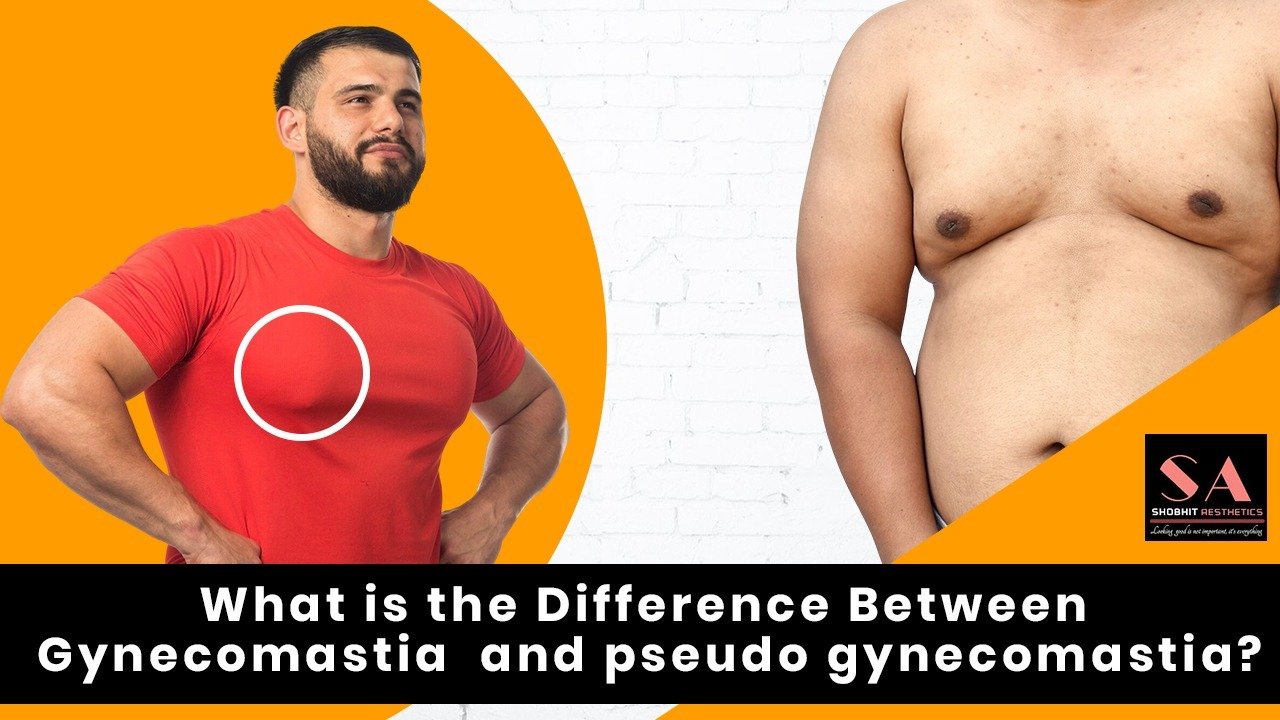
Men often suffer from chest enlargement during some point of their lives, making them feel embarrassed and lowering their self-esteem. In casual conversation, it is referred to as “man boobs”.
What many people do not know is that this appearance can be caused by gynecomastia and pseudogynecomastia.
These two conditions often get mistaken for each other because of similar features.
They have different causes, make up, and can be treated differently. A proper diagnosis of your condition by an experienced cosmetic surgeon will help you figure out the correct treatment to obtain a flat, masculine chest.
What is Gynecomastia?
Gynecomastia is the enlargement of male breast tissue caused by hormonal imbalance. It occurs when there is an increase in the level of estrogen (female hormone) or a decrease in testosterone (male hormone). The result of this imbalance is the growth of firm, glandular breast tissue under the nipple area.
Causes of Gynecomastia
This condition can occur at any age and can be caused by the following:
- Hormonal Changes – A natural part of growth and development in boys and during puberty, menopause, or testosterone deficiency in middle or older ages.
- Medications – Anabolic steroids, anti-androgens, antidepressants, tricyclic medications, and antihypertensive drugs.
- Substance Use – Alcohol, anabolic steroids, and marijuana
- Medical Conditions – Diseases related to hormone changes, such as hypogonadism, thyroid, liver, or kidney diseases.
- Natural Aging – A process that results in testosterone deficiency as men age and the dominance of estrogen in their bodies.
Symptoms of Gynecomastia
Men affected with gynecomastia experience:
- A firm or rubbery lump or swelling under one or both nipples
- Swollen or puffy chest area
- Mild tenderness and sensitivity
- An uneven growth on the sides
Gynecomastia is usually firm when touched – a quality that differentiates it from regular fat accumulation that results in pseudogynecomastia.
What is Pseudogynecomastia?
Pseudogynecomastia is the enlargement of the male chest that is caused by fat accumulation.
It is not associated with hormone-related changes. The growth of male breast tissue is not attributed to any particular cause but is associated with obesity, an unhealthy lifestyle, lack of physical activity, and poor nutrition.
Causes of Pseudogynecomastia
The primary causes include:
- Excess body fat and obesity
- Sedentary lifestyle with no or little physical activity
- Unhealthy diet, rich in processed and fatty foods
- Natural aging that contributes to the redistribution of fat to the chest and abdomen
- Rapid weight loss and fluctuations
In pseudogynecomastia, the growth is due to soft fatty tissue with no glandular or hormonal abnormalities involved.
Symptoms of Pseudogynecomastia
Common signs include:
- Soft, fatty tissue on the chest that moves easily when touched
- No pain or tenderness on the chest
- Uniform and similar distribution of fat in the chest area
- Immediate improvement with weight loss and exercise
Gynecomastia vs. Pseudogynecomastia: The Key Differences
Although both conditions cause enlarged male breasts, the primary cause of growth, the type of tissue involved, and the approach to treatment are different.
| Feature | Gynecomastia | Pseudogynecomastia |
| Primary Cause | Hormonal imbalance | Fat accumulation |
| Tissue Type | Glandular breast tissue | Fat (adipose) tissue |
| Texture | Firm or rubbery | Soft and fatty |
| Pain or Tenderness | Common | Rare |
| Hormonal Abnormalities | Present | Absent |
| Response to Weight Loss | Minimal | Significant |
| Diagnosis | Hormonal tests, ultrasound, mammogram | Physical exam, body composition analysis |
| Treatment | Medication or gland excision surgery | Diet, exercise, or liposuction |
Diagnosis: How Doctors Differentiate the Two
Since the physical appearance of the conditions is similar, medical evaluation and confirmation are needed.
1. Physical Examination
The doctor will examine the chest to determine whether the tissue is firm (glandular) or soft (fat).
2. Imaging Tests
Ultrasound or mammogram will be done to give a clear picture of what is causing the swelling; if it is caused by fat or glandular tissue.
3. Hormonal and Blood Tests
Blood tests can be done to check for hormonal changes associated with gynecomastia.
Diagnosis is necessary to make sure that the course of treatment is the right one.
Treatment Options for Gynecomastia
The treatment plan depends on the cause, the duration of the condition, and the severity of the symptoms.
1. Observation and Lifestyle Changes
In most adolescent cases, the condition will resolve on its own as hormones normalize. Men can maintain a well-balanced diet, exercise regularly, and avoid alcohol or steroids.
2. Medication
If a hormonal imbalance is detected, a doctor may prescribe drugs such as Tamoxifen or Aromatase inhibitors that restore hormonal levels.
3. Surgical Treatment
In cases where the condition has persisted or is severe, gynecomastia surgery (male breast reduction) is the most effective treatment.
Gynecomastia Surgery Involves:
- Liposuction: A procedure to remove excess fat that surrounds the breasts.
- Gland Excision: The removal of the firm glandular tissue under the nipple.
- Chest Sculpting: The next step is to restore the chest to a flatter and masculine shape.
The surgery is safe, minimally-invasive, and produces long-lasting results with little recovery time.
Treatment Options for Pseudogynecomastia
As this condition is caused by the accumulation of fat, non-surgical methods are often the most effective.
1. Weight Loss and Exercise
Calorie-controlled diet combined with cardio and strength training helps burn fat and tone the chest.
2. Non-Surgical Fat Reduction
CoolSculpting (fat freezing) or laser lipolysis are non-surgical methods that help reduce stubborn fat in the chest.
3. Liposuction
Men that are unable to achieve the desired results with lifestyle modifications alone can consider liposuction.
The procedure removes localized fat deposits and sculpts the chest for a firmer appearance. As this condition is caused by excess fat and not glandular tissue, the liposuction procedure is all that is needed.
Can Gynecomastia and Pseudogynecomastia Occur Together?
Yes, both conditions can coexist in men. Many men have mixed gynecomastia, where a man has a combination of fat and glandular tissues.
Treatment involves a combination of liposuction and gland removal surgery for optimal results.
An experienced cosmetic surgeon will be able to evaluate the composition of the breast and tailor the treatment accordingly to achieve a natural masculine chest.
Prevention Tips
As mentioned above, not all cases can be prevented. Adopting a healthy lifestyle and some of the following tips may help in avoiding the condition:
- Maintain a healthy body weight
- Avoid anabolic steroids and drug use
- Limit alcohol consumption
- Follow a well-balanced diet
- Exercise regularly to improve metabolism and muscle tone
- Consult your doctor before starting any medication that can cause hormonal changes
When to Consult a Doctor
You should see a qualified specialist if:
- You have persistent chest swelling or tenderness
- You feel a firm or rubbery lump underneath your nipple area
- You feel that the condition is affecting your confidence or normal activities.
A medical check-up is key in helping you receive the correct diagnosis and also rule out other rare causes like breast tumors.
Why Choose Shobhit Aesthetics for Gynecomastia Treatment?
Shobhit Aesthetics is a leading cosmetic and aesthetic clinic that specializes in male chest contouring and gynecomastia. Dr. Shobhit Gupta, the clinic’s founder and medical director, has combined medical precision and aesthetic artistry with a personalized touch.
- Experienced surgeon with years of expertise in gynecomastia correction.
- Advanced surgical technology ensures safety and precision.
- Minimal downtime and natural-looking results.
- Customized treatment plans for each patient’s body type and goals.
Dr. Shobhit’s meticulous work helps patients regain their confidence and develop a masculine well-toned chest that will give long-lasting results.