
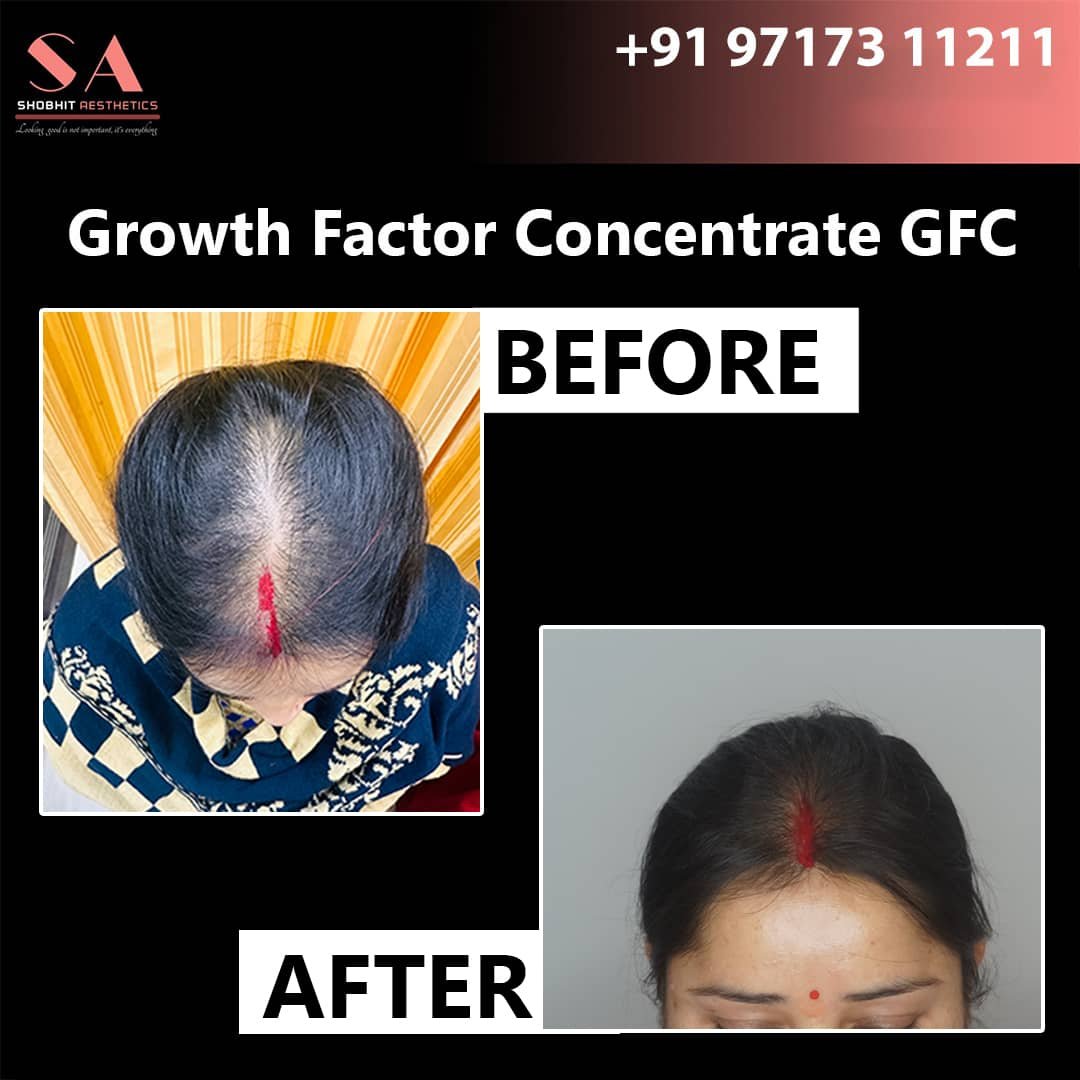
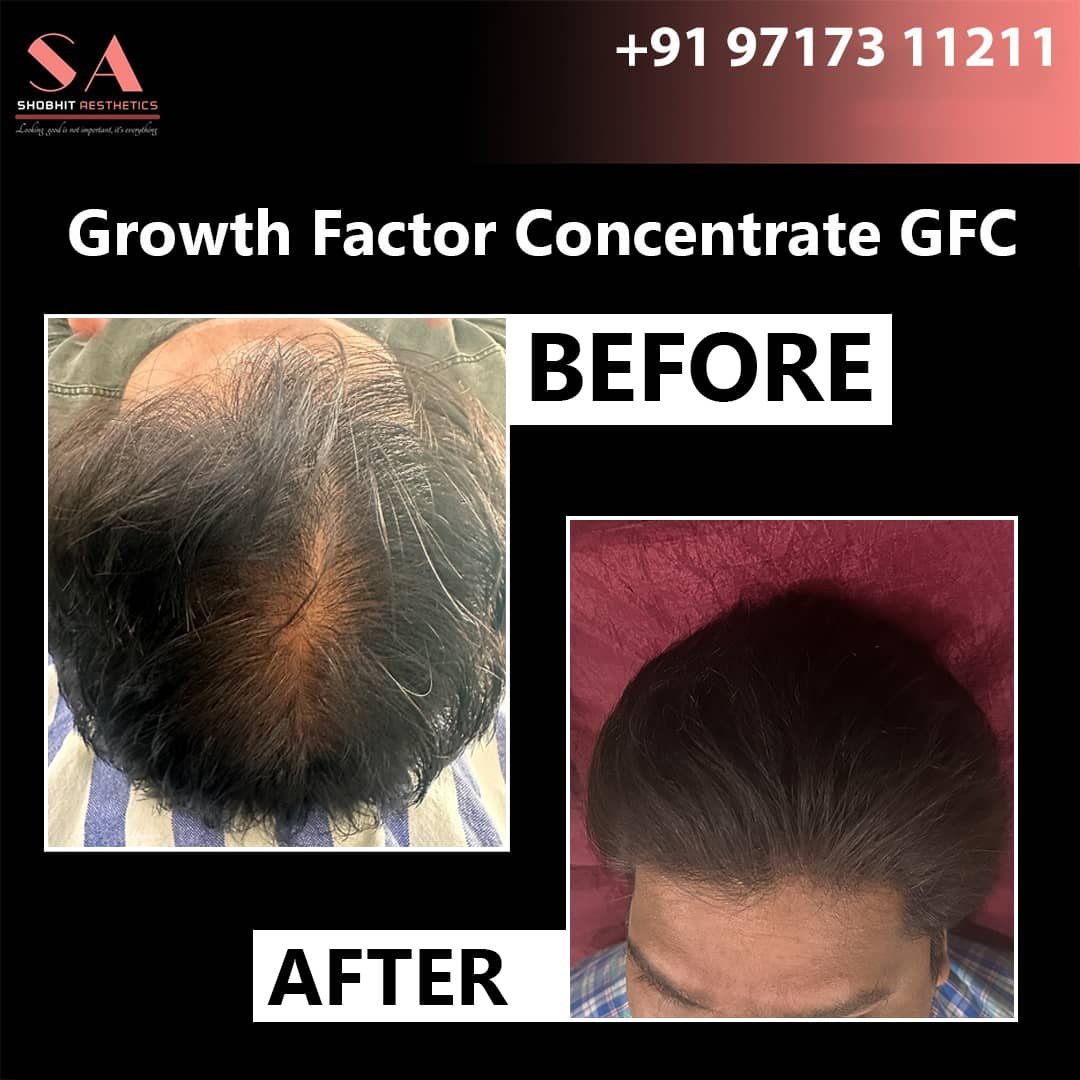
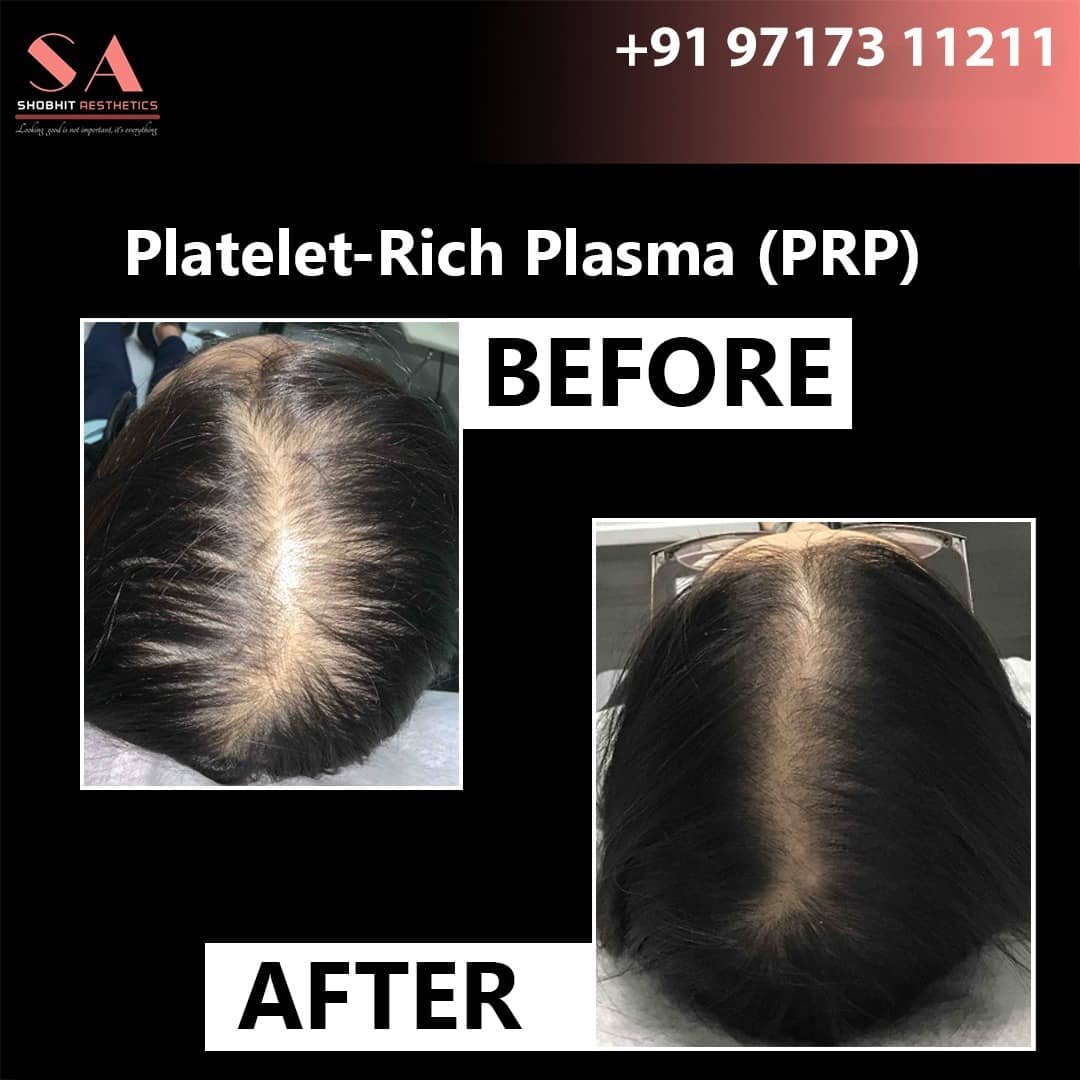
Hair loss is one of the most common concerns affecting both men and women today, and its impact goes far beyond appearance. Thinning hair, receding hairlines, and bald patches can quietly erode self-esteem and affect quality of life in ways that are deeply personal. The good news is that modern hair restoration science has advanced significantly, and two of the most effective non-surgical solutions available today are Platelet-Rich Plasma (PRP) therapy and Mesotherapy.
Both treatments work by targeting the root causes of hair loss at the follicle level, delivering powerful regenerative ingredients precisely where they are needed most. Whether you are in the early stages of hair thinning or have been experiencing progressive hair loss for some time, these treatments offer clinically proven, minimally invasive pathways to healthier, fuller hair without surgery or lengthy recovery periods.
At Shobhit Aesthetics, our specialists combine advanced techniques with personalised treatment planning to ensure every patient receives the most effective protocol for their unique hair loss pattern and scalp condition. This page covers everything you need to know about PRP and Mesotherapy, from how they work to what results you can realistically expect.
What is PRP(Platelet Rich Plasma)?
PRP(Platelet Rich Plasma) Autologous platelet-rich plasma is a characteristic treatment that utilizes the recuperating and regenerative properties of platelets to incite tissue fix and new tissue recovery of the region encompassing the hair bulb. It elevates blood supply to the hair bulb and follicles bringing about more grounded hairs and new development. A little amount of your blood is taken and centrifuged to focus the platelets and this is then infused through a meager needle into the skin of the scalp. As the item is ready from your blood, there is no gamble of hypersensitive responses or contaminations. At Shobhit Aesthetics you will get the best hair therapy treatment.
BOOK AN APPOINTMENT
Benefits of PRP Treatment for Hair Growth
Hair PRP treatment in Delhi is an effective solution for balding with multiple benefits. Here are some reasons why anyone should choose this treatment:
- Highly effective: The development factors found in platelet-rich plasma are perfect for stimulating hair follicles. The vast majority see apparent improvements within months.
- Non-invasive hair restoration: There are a few choices to regrow hair. All things considered, transfers and different strategies can be convoluted and excruciating. With PRP injections, you can get your treatment within a minimum time or short recovery period.
- Hair loss looks natural: Treatment with PRP for hair loss is additionally practically imperceptible; nobody can see you’re going through treatment.
- There is little to no discomfort: Again, because of the absence of surgical equipment, this is an entirely tolerable method. It takes just a limited quantity of your blood and basic infusions to finish a treatment meeting effectively.
The sessions are speedy and simple: Most of your time in the clinic is spent doing preparation for the PRP injections. The actual session of the treatment takes a few minutes and after this, the patient can go home on the same day.
How Platelet-Rich Plasma Stimulates Hair Follicle Regeneration
Platelet-rich plasma (PRP) therapy has rapidly become one of the most sought-after non-surgical hair restoration treatments worldwide. At its core, PRP harnesses the body's own regenerative biology. Blood platelets are tiny cells packed with powerful growth factors including Platelet-Derived Growth Factor (PDGF), Vascular Endothelial Growth Factor (VEGF), and Transforming Growth Factor (TGF-beta) that play a critical role in wound healing, tissue repair, and cellular regeneration.
When PRP is injected into the scalp at the level of the hair follicle, these growth factors immediately get to work. They stimulate dormant hair follicles, prolong the active (anagen) phase of the hair growth cycle, and increase blood circulation to the follicle bulb. This improved micro-vascular supply means each follicle receives more oxygen and nutrients, resulting in thicker, stronger hair strands and in many patients the gradual re-emergence of hair in thinning or balding areas.
Clinical studies have consistently shown that PRP treatment for hair loss delivers measurable improvements in hair density, hair shaft diameter, and the telogen-to-anagen ratio (the proportion of resting follicles to actively growing ones). PRP is particularly effective for patients experiencing androgenetic alopecia (male and female pattern baldness), alopecia areata, and diffuse hair thinning. At Shobhit Aesthetics, every PRP protocol is individually designed based on the patient's degree of hair loss, scalp condition, and overall health profile, ensuring each person receives a treatment plan that is truly tailored to them.
Who Is the Right Candidate for PRP Hair Treatment?
PRP is a versatile treatment, but understanding candidacy is important for setting realistic expectations. The best candidates for PRP hair treatment are those in the early to moderate stages of hair loss, where living, active hair follicles are still present but are weakened or miniaturised. PRP cannot regenerate follicles that have been completely lost; however, where follicular activity remains, it can significantly reinvigorate growth.
Ideal candidates for PRP therapy typically present with one or more of the following:
Early-stage androgenetic alopecia or hereditary hair thinning Patchy hair loss associated with alopecia areata Generalised scalp thinning without complete follicle loss Post-hair transplant patients seeking to enhance graft survival Individuals with nutritional deficiency-related hair shedding
Patients who are pregnant, on blood-thinning medications, living with active scalp infections, or diagnosed with certain platelet disorders may not be suitable for PRP. A thorough consultation at Shobhit Aesthetics ensures every patient is properly assessed before proceeding, and alternative or complementary treatments such as mesotherapy are discussed where appropriate.
PRP Hair Treatment — Ideal Candidates vs. Non-Ideal Candidates
| Factor | Ideal Candidate | Not Recommended |
|---|---|---|
| Stage of hair loss | Early to moderate | Advanced baldness with no follicles |
| Hair loss type | Androgenetic alopecia, alopecia areata | Scarring alopecia |
| Age group | 20–65 years | Under 18 (without medical advice) |
| Health status | Generally healthy | Active blood disorders or liver disease |
| Medications | Not on blood thinners | On anticoagulants or NSAIDs |
| Expectations | Realistic, gradual improvement | Expecting overnight results |
| Scalp condition | Some active follicles present | Completely scarred scalp |
PRP Treatment Sessions — What to Expect at Each Stage
| Session | Timeline | What Happens | Expected Outcome |
|---|---|---|---|
| Session 1 | Week 1 | Blood draw, centrifugation, scalp injections | Scalp activation begins, mild tenderness normal |
| Session 2 | Week 4–6 | Second round of PRP injections | Reduction in hair shedding noticed |
| Session 3 | Week 8–12 | Third round of PRP injections | Visible improvement in hair density begins |
| Session 4 | Week 12–16 | Fourth round (if required) | Stronger, thicker hair strands emerging |
| Maintenance | Every 6–12 months | Single top-up session | Long-term results sustained |
Expected Results and Frequency of PRP Sessions
One of the most common questions patients ask about PRP for hair growth is: how many sessions will I need, and when will I see results? The honest answer is that PRP is a progressive treatment and results accumulate over a series of sessions rather than appearing overnight.
Most patients undergo an initial course of three to four PRP sessions spaced approximately four to six weeks apart. By the second or third session, many patients begin noticing a reduction in hair shedding. Visible improvements in hair density and texture typically become apparent three to six months after the first treatment, as the hair growth cycle operates on a long timeline. Following the initial course, maintenance sessions once every six to twelve months help sustain and build upon the results.
At Shobhit Aesthetics, the clinical team monitors each patient's response closely throughout their PRP journey. Progress photographs and scalp assessments are used to objectively track improvements and adjust the treatment plan as needed. When combined with complementary treatments such as mesotherapy or low-level laser therapy, the outcomes of PRP can be further amplified, an approach our specialists are experienced in recommending and delivering.
Pre-operative Instructions
Follow these tips as you are preparing for the procedure:
- Exercise: Avoid indulging in vigorous exercises 24 to 48 hours prior to the procedure. Increase your fluid intake 24 hours prior to the PRP treatment for hair growth.
- Follow your routine diet plan even on the day before your PRP treatment for hair growth
- Shampoo your hair the morning or day before PRP treatment. Make sure to come with a clean scalp
- Suspend all blood-thinning agents. It is also recommended by the surgeon to stop multivitamin intake at least a week before the procedure.
- Avoid cigarettes and alcohol for at least a few days prior to the PRP therapy.
PRP for Hair Loss — Key Growth Factors and Their Role
| Growth Factor | Full Name | Role in Hair Restoration |
|---|---|---|
| PDGF | Platelet-Derived Growth Factor | Stimulates cell growth and division at the follicle |
| VEGF | Vascular Endothelial Growth Factor | Improves blood supply and oxygen to hair roots |
| TGF-beta | Transforming Growth Factor Beta | Regulates tissue repair and follicle cycling |
| EGF | Epidermal Growth Factor | Promotes scalp skin cell regeneration |
| IGF-1 | Insulin-like Growth Factor 1 | Extends the active (anagen) hair growth phase |
| FGF | Fibroblast Growth Factor |
Supports new follicle formation and regeneration |
During PRP Treatment
Similarly, as with most methods, there is a cautious cycle involving PRP for hair regrowth, starting with a standard blood draw from the patient’s arm. The entire process of PRP treatment takes half an hour.
Firstly, you will be given local anesthesia and then your doctor will draw blood from your arm and put it into a centrifuge.
Then, after around 10 minutes your blood will have been isolated into three layers; platelet-poor plasma, platelet-rich plasma, and red blood cells.
Next, the platelet-rich plasma is drawn up into a needle and afterward infused into regions of the scalp that need expanded hair development.
If you are in Delhi and looking for hair PRP treatment near me, visit Shobhit Aesthetics for the best treatment.
Post-operative Instructions
Once you are done with the PRP treatment, follow these instructions:
- Just after the treatment, your scalp might feel sore and tender which is very common
- Your surgeon will recommend to take a hot shower and gently massage your scalp after your reach home
- You must avoid heavy exercise immediately after the treatment. You can resume your workout routine within a day or two.
- Avoid hair coloring for at least 1-2 weeks after the treatment
- You must avoid all blood-thinning medicines for a week after the procedure as instructed by your surgeon
Also, avoid cigarettes and alcohol for a week or should remain not used for a week after the procedure. Studies have shown that nicotine impacts the healing process and hair growth.
Side Effects of PRP Treatment for Hair Growth
- Pain and bleeding in the treatment area
- Allergic reactions from anesthesia or other products
- Infection may occur during the healing process
- Scar tissue
- Dizziness and nausea
- Injury to the blood vessels
- Injury to the nerves
Ideal Candidate for PRP Treatment for Hair Growth
As noted, hair PRP treatment in Delhi may not be the best course of treatment for each quiet. The PRP treatment can be utilized related to hair transplantation to work with tissue recovery, hair recuperation, and hair follicle strength. Be that as it may, PRP treatment is a choice you ought to examine with your going bald doctor if you:
- Are in the beginning phases of balding
- Have areas of “feeble quality” hair development on your scalp, where working hair follicles can in any case be noticed
- Have little areas of alopecia areata
- Are healthy and are not experiencing specific sorts of blood problems, skin issues, liver issues, or diabetes.
Cost of PRP Treatment for Hair Growth
The expense of hair PRP treatment cost in India is assessed to be between INR 4000 and INR 6000 approximately for each session depending on the severity of hair loss. PRP treatment normally comprises three sessions.
PRP treatment cost in India is lesser than in other countries. In any case, hair PRP cost in Delhi might differ from one center to another as it is subject to many variables.
The accompanying variables decide the hair PRP treatment cost in India.
- Choice of the city
- Choice of the doctor
- Expertise and experience of the doctor
- Number of Sessions
- Quality of equipment used in the PRP treatment
Mesotherapy vs. PRP — Side-by-Side Comparison
| Comparison Point | Mesotherapy | PRP (Platelet-Rich Plasma) |
|---|---|---|
| Treatment origin | Pharmaceutical cocktail (external) | Patient's own blood (autologous) |
| Primary mechanism | Nutrient delivery and DHT blocking | Growth factor stimulation |
| Best suited for | Early hair loss, nutritional deficiency, prevention | Moderate to advanced androgenetic alopecia |
| Session duration | 30–45 minutes | 45–60 minutes |
| Number of sessions | 6–10 initial sessions | 3–4 initial sessions |
| Downtime | None | None |
| Discomfort level | Minimal (numbing cream applied) | Minimal (numbing cream applied) |
| Results visible | 2–3 sessions onwards | 3–6 months after first session |
| Maintenance frequency | Monthly after initial course | Every 6–12 months |
| Can be combined | Yes, works well alongside PRP | Yes, works well alongside mesotherapy |
| Cost per session | Generally lower | Generally higher |
Mesotherapy for Hair Loss at Shobhit Aesthetics:-
What Is Mesotherapy and How Does It Work for Hair Growth?
Mesotherapy is a minimally invasive cosmetic treatment that delivers a customised cocktail of vitamins, minerals, amino acids, enzymes, and hair growth factors directly into the mesoderm, the middle layer of the skin. Originally developed in France in the 1950s by Dr. Michel Pistor, mesotherapy has since evolved into one of the most effective and widely used treatments for hair loss, scalp health, and hair rejuvenation across the globe.
The fundamental principle behind scalp mesotherapy for hair loss is bioavailability. When nutrients are taken orally or applied topically, only a small fraction ever reaches the hair follicle. Mesotherapy bypasses this limitation entirely by injecting active ingredients directly into the scalp at the precise depth where hair follicles reside, typically 1 to 4 millimetres beneath the skin surface. This targeted delivery ensures maximum absorption and therapeutic effect at the follicle level.
A typical mesotherapy solution for hair growth contains a carefully selected blend of ingredients including biotin (vitamin B7), zinc, selenium, vitamin C, hyaluronic acid, DHT-blocking agents, collagen stimulators, and circulation-enhancing compounds. These ingredients work synergistically to nourish the hair follicle, neutralise the effects of dihydrotestosterone (DHT, the primary hormone responsible for follicle miniaturisation in pattern baldness), improve scalp microcirculation, and stimulate keratinocyte proliferation.
The injections are administered using a very fine needle or a multi-needle mesotherapy gun, making the procedure quick, precise, and relatively comfortable. A topical anaesthetic cream is applied to the scalp beforehand to minimise any discomfort. Each session typically takes between 30 and 45 minutes, and patients can return to their daily routine immediately afterwards with no significant downtime.
Conditions Treated by Scalp Mesotherapy
Mesotherapy is one of the most versatile hair loss treatments available today, addressing a broad spectrum of conditions that cause hair thinning, shedding, and scalp deterioration. Unlike treatments that target only one pathway of hair loss, mesotherapy's multi-ingredient formulations allow it to tackle several contributing factors simultaneously.
The conditions most commonly and effectively treated with mesotherapy for hair include:
Androgenetic alopecia (male and female pattern hair loss): Mesotherapy's DHT-inhibiting ingredients target the hormonal root cause of the most common form of hair loss, slowing follicle miniaturisation and encouraging regrowth.
Telogen effluvium: Stress-induced or nutritional-deficiency-related hair shedding responds well to mesotherapy's vitamin and mineral infusions, which replenish depleted scalp resources and reset the growth cycle.
Alopecia areata: Mesotherapy can help reduce inflammation and stimulate localised regrowth in patchy hair loss conditions.
Scalp hypoxia and poor circulation: Patients with reduced scalp blood flow, often linked to smoking, high stress, or metabolic conditions, benefit from mesotherapy's vasodilating compounds that restore healthy circulation to the follicle.
Post-partum hair loss: Hormonal shifts following pregnancy can cause significant shedding. Mesotherapy accelerates recovery by delivering essential nutrients back to the follicle.
Chemotherapy-related hair thinning: In select cases, mesotherapy may assist in restoring scalp health and stimulating follicle recovery post-treatment.
At Shobhit Aesthetics, mesotherapy formulations are not one-size-fits-all. The composition of each patient's injection solution is personalised based on their specific hair loss pattern, scalp analysis, blood tests (if required), and treatment goals. This bespoke approach is what sets the mesotherapy programmes at Shobhit Aesthetics apart and ensures consistently strong patient outcomes.
Mesotherapy Hair Treatment — Ingredients and Their Benefits
| Ingredient | Category | Benefit for Hair and Scalp |
|---|---|---|
| Biotin (Vitamin B7) | Vitamin | Strengthens hair shaft, reduces breakage |
| Zinc | Mineral | Controls DHT levels, supports follicle repair |
| Selenium | Mineral | Antioxidant protection for follicle cells |
| Vitamin C | Vitamin | Boosts collagen production, improves scalp circulation |
| Hyaluronic Acid | Hydrating Agent | Restores scalp moisture and suppleness |
| DHT Blockers (e.g. Finasteride derivatives) | Hormonal Agent | Inhibits the hormone responsible for follicle miniaturisation |
| Amino Acids | Protein Building Blocks | Provide keratin precursors for stronger hair strands |
| B-Complex Vitamins | Vitamin Group | Support cellular energy and healthy follicle metabolism |
| Collagen Stimulators | Structural Agent | Reinforce scalp tissue around the follicle base |
| Vasodilators | Circulation Agent | Widen blood vessels to increase nutrient delivery to roots |
The Mesotherapy Treatment Process: What to Expect Step by Step
Understanding the mesotherapy treatment process helps patients feel confident and prepared. Here is a step-by-step overview of what a mesotherapy hair treatment session looks like:
Initial Consultation and Scalp Assessment: Before any treatment begins, a detailed consultation is conducted to assess the extent of hair loss, understand the patient's medical history, and determine the most appropriate mesotherapy formula. Trichoscopy (scalp imaging) may be performed to evaluate follicle density and scalp condition.
Scalp Preparation: On the day of treatment, the scalp is thoroughly cleansed, and a topical numbing cream is applied and left to take effect for approximately 20 to 30 minutes.
Formula Preparation: The personalised mesotherapy cocktail is freshly prepared prior to the session. Ingredients are sourced from pharmaceutical-grade suppliers to ensure purity and potency.
Injection Phase: Using a series of micro-injections or a mesotherapy gun, the solution is administered across the treatment zones of the scalp. The needle depth and injection technique are calibrated to ensure optimal delivery.
Post-Treatment Care: After the session, patients receive specific aftercare instructions. Minor redness or pinpoint marks may be present for a few hours but resolve quickly. Patients are advised to avoid washing their hair for 8 to 12 hours post-treatment.
The entire appointment typically lasts under an hour, and there is no need for hospitalisation or extended recovery. Most patients describe the sensation as mild pinching, and the numbing cream makes the experience very tolerable. This straightforward, walk-in walk-out nature of mesotherapy is one of the key reasons it has gained widespread popularity as a hair loss solution.
Mesotherapy vs. PRP: Understanding the Difference and Choosing the Right Treatment
A common question among patients seeking hair restoration is whether to choose mesotherapy or PRP, or whether both can be used together. While both are minimally invasive, injection-based treatments delivered to the scalp, they differ in their mechanisms, composition, and ideal patient profiles.
PRP is an autologous treatment, meaning the active ingredient (platelet-rich plasma) is derived from the patient's own blood. It is particularly powerful for stimulating follicle regeneration through concentrated growth factors. Mesotherapy, by contrast, uses an externally prepared pharmaceutical cocktail that can be precisely formulated to address specific nutritional deficiencies, hormonal imbalances, and circulatory issues in the scalp.
In terms of effectiveness, both treatments have strong clinical support. PRP tends to deliver more pronounced regenerative results for moderate to advanced androgenetic alopecia, while mesotherapy is often preferred for patients in the earlier stages of hair loss, those with nutritional deficiency-related shedding, or individuals who want a preventive and scalp-nourishing treatment rather than purely a corrective one.
Importantly, mesotherapy and PRP are not mutually exclusive. Many patients at Shobhit Aesthetics benefit from a combined protocol that leverages the strengths of both treatments, using PRP for its powerful growth factor delivery and mesotherapy for its nutritional and DHT-blocking benefits. The clinical team at Shobhit Aesthetics takes pride in designing integrative, evidence-based treatment programmes that maximise results for each individual patient rather than applying a single template to everyone.
Mesotherapy Results, Sessions Required, and Long-Term Hair Health
One of the most encouraging aspects of mesotherapy for hair loss is the consistency of results when treatment is administered correctly and consistently. Most patients begin to notice a visible reduction in hair fall, often the first and most emotionally distressing symptom, within the first two to three sessions. By the fourth to sixth session, improvements in hair thickness, scalp texture, and overall density typically become clearly apparent.
A standard mesotherapy course for hair loss consists of six to ten sessions, typically scheduled every one to two weeks during the initial phase. Once the hair has stabilised and improvement is well underway, the frequency is reduced to monthly maintenance sessions. Long-term maintenance is important because the underlying causes of most forms of hair loss, hormonal changes, genetic predisposition, ageing, are ongoing. Regular mesotherapy sessions provide the scalp with a continuous supply of essential nutrients and protective compounds that help maintain the results achieved.
Beyond treating hair loss, mesotherapy also significantly improves overall scalp health. Patients frequently report a reduction in scalp dryness, dandruff, and inflammation, conditions that left untreated can worsen hair loss over time. The hydrating effects of hyaluronic acid within the mesotherapy formula restore scalp suppleness, while antioxidant vitamins protect follicles from free radical damage.
At Shobhit Aesthetics, the results of mesotherapy are rigorously tracked through before-and-after photography, trichoscopy assessments, and patient feedback. This data-driven approach allows the treatment team to continually refine each patient's programme and ensure that the investment in treatment delivers real, lasting value. With a commitment to using only the highest-quality pharmaceutical-grade ingredients and the most advanced injection techniques, Shobhit Aesthetics has established a strong reputation for delivering exceptional mesotherapy outcomes for patients experiencing all types and stages of hair loss.
Whether you are in the early stages of noticing thinning hair, struggling with significant hair loss, or simply looking to invest in the long-term health of your scalp and hair, mesotherapy at Shobhit Aesthetics offers a scientifically grounded, personalised, and highly effective path forward. Contact us today to schedule your consultation and take the first step towards healthier, fuller hair.


