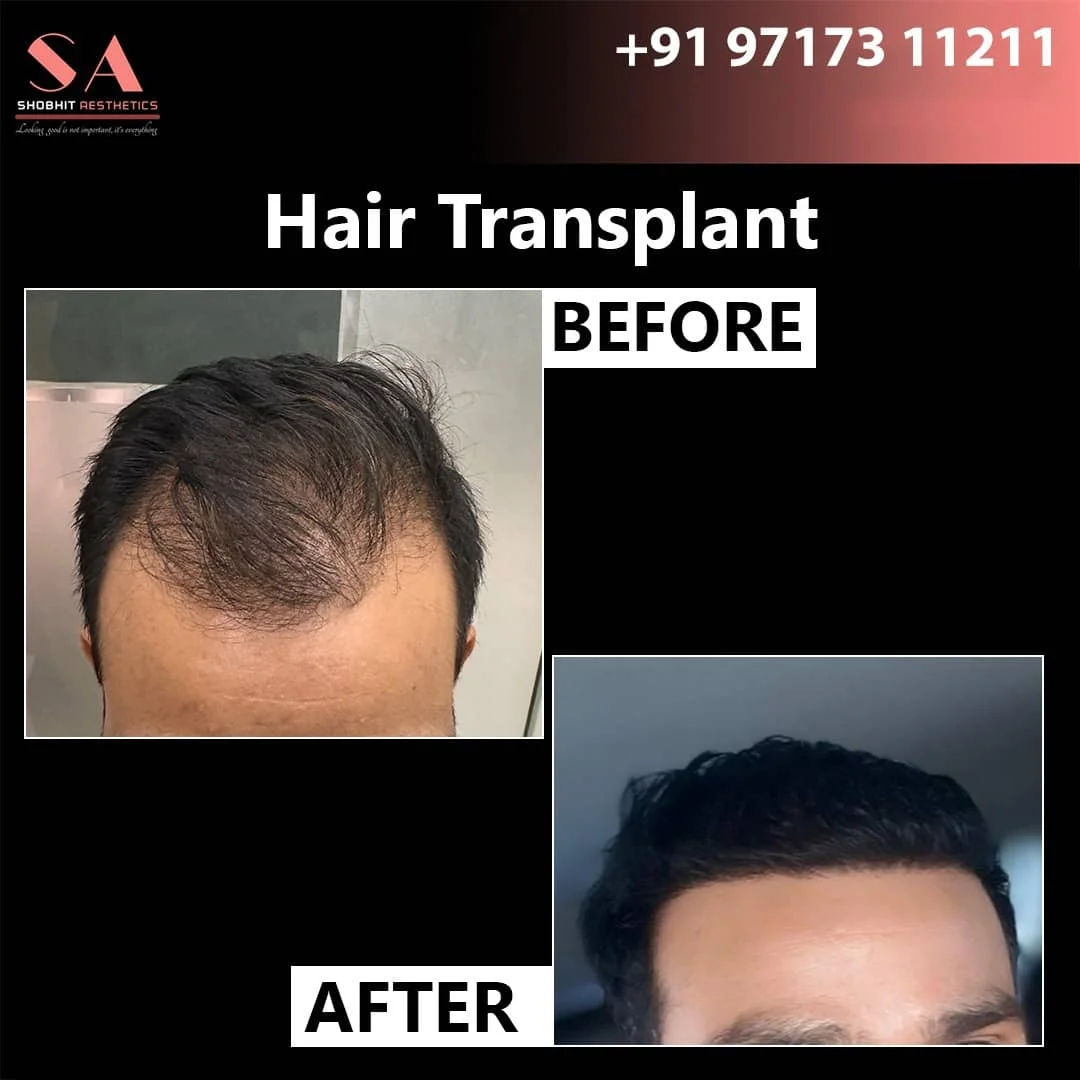
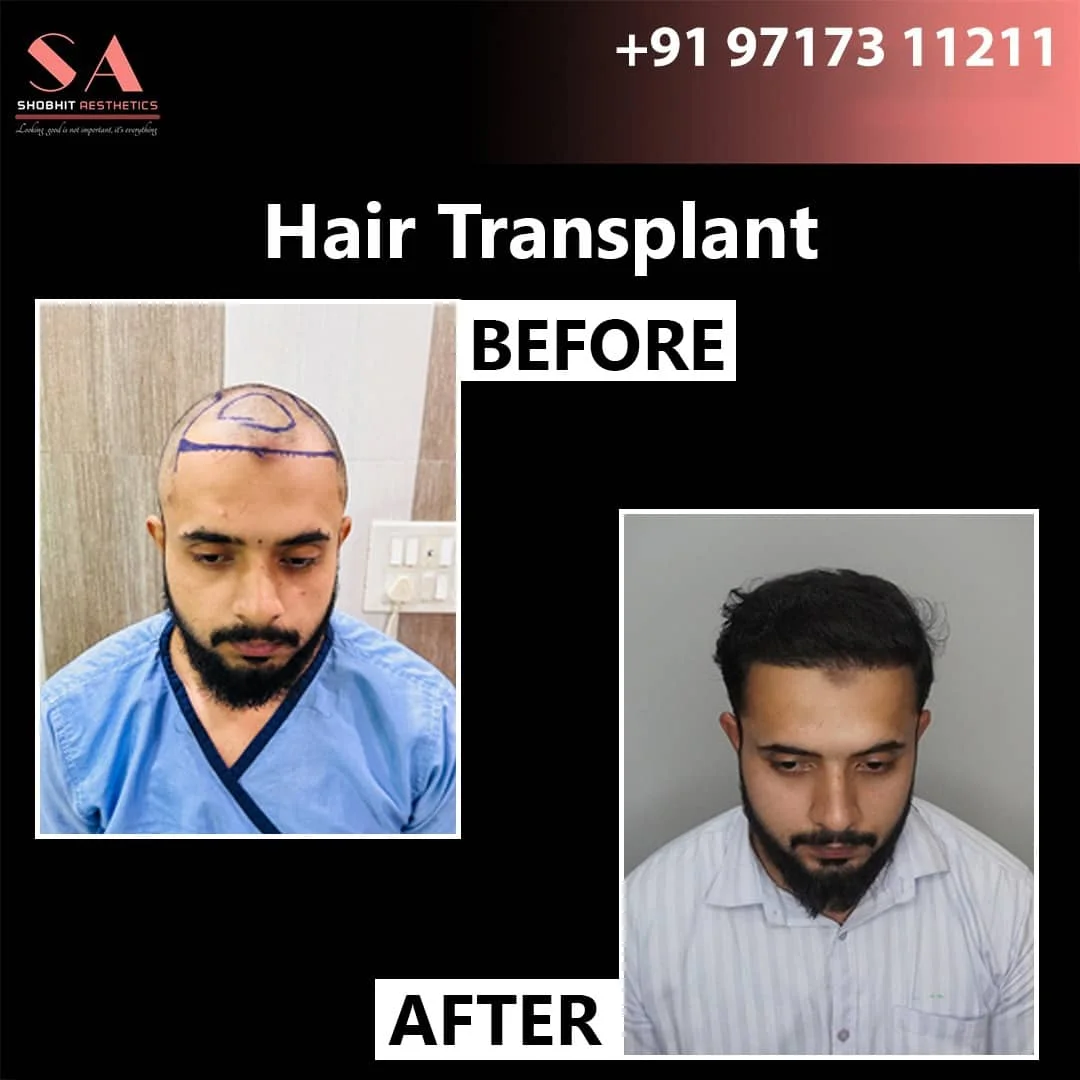
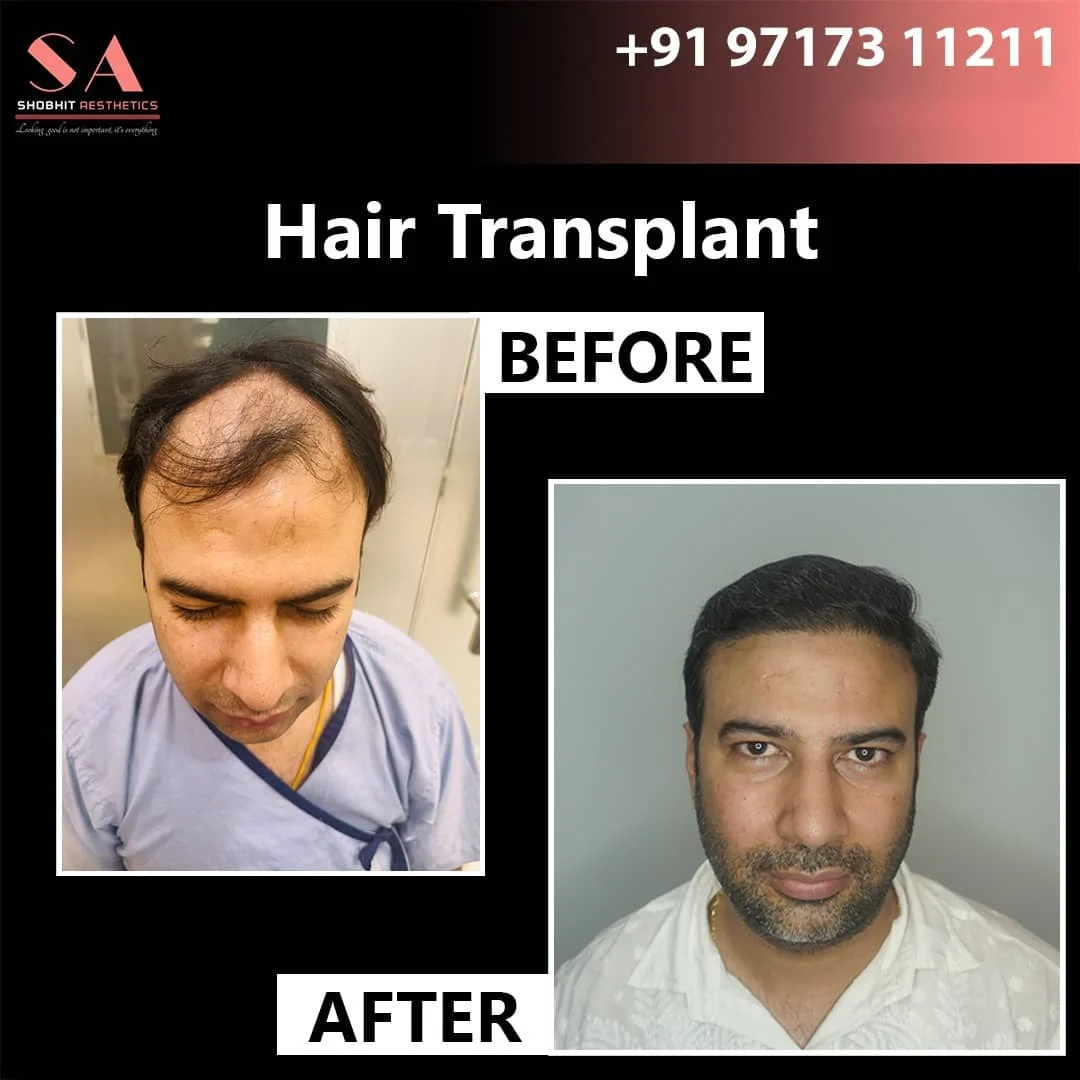
Follicular unit extraction (FUE) is a hair transplantation method that utilizes little punches to extricate the follicular units (FUs). However at first the procedure was not broadly acknowledged due to the trouble of extricating unblemished follicular units with such little punches, it has since acquired fame due for the most part to rising patient interest, the accessibility of better instrumentation, and more prominent careful ability obtained as a matter of fact. It is presently a perceived option in contrast to follicular unit transplantation (FUT), a method in view of gathering the grafts from a piece of tissue. Among the benefits of FUE are less post-procedural distress in the giver zone and the scarcely noticeable scarring from the punches. Notwithstanding, the best FUE hair transplant in Delhi is a more relentless, tedious system that includes a long expectation to learn and adapt for the specialist.
Follicular unit extraction (FUE) is a minimally invasive hair restoration method prominently known for its utility in androgenetic alopecia (AGA). In Follicular Unit Extraction FUE, individual follicular grafts are removed from the donor region and embedded in the recipient region. The benefits of FUE are that it is nearly ‘scarless’, has quicker mending time, has less margin time, and requires less specialized staff.
With Follicular Unit Extraction hair transplant every individual follicular unit is gathered from the scalp. The hair follicles are eliminated in an irregular style, permitting your doctor to collect hair from the contributor region with the less recognizable diminishing of the area. With Follicular Unit Extraction (FUE), hair is gathered through infinitesimal roundabout cuts on the scalp. If you’re worried about FUE hair transplant cost in Delhi, visit Shobhit Aesthetics for reasonable prices.
There are two kinds of FUE hair transfers: Manual FUE and Robotic FUE.
A Manual FUE hair transplantation is finished by a doctor utilizing a handheld gadget to separate the singular hair follicles.
A Robotic FUE technique utilizes a mechanical hair relocate gadget that is directed by the doctor. The doctor chooses how much hair is wanted for gathering and guides out the ideal giver region. The doctor doesn’t gather the donor grafts; the reaping step is finished by the ARTAS robot. This clinical wonder of innovation offers unrivaled accuracy and precision.
Summary: Key Facts About FUE Hair Transplant at a Glance
| Question | Answer |
|---|---|
| What does it treat? | Androgenetic alopecia, traction alopecia, scarring hair loss, beard/brow restoration |
| How long does the procedure take? | 4–8 hours (single session) |
| Is it permanent? | Yes — transplanted follicles are DHT-resistant and grow permanently |
| Does it leave scars? | Tiny dot scars in donor area, not visible to the naked eye at normal hair length |
| When are results visible? | 6 months (partial); 12–18 months (full) |
| How many sessions needed? | Usually one; two for advanced cases |
| Recovery time | 7–10 days to resume normal activity |
| Success rate | 85–95% graft survival with experienced surgeons |
| Can women have FUE? | Yes — selected candidates with appropriate hair loss pattern |
| Is it painful? | No — performed under local anaesthesia; mild soreness post-op only |
FUE hair transplant, when performed by a qualified and experienced surgeon using proper technique and graft handling protocols, is one of the most reliable and satisfying procedures in aesthetic medicine. The results are permanent, natural-looking, and life-changing for patients who have felt self-conscious about hair loss. Choosing the right clinic — whether that is Shobhit Aesthetics or another board-certified provider in your region — begins with a thorough, honest consultation and a commitment to realistic, evidence-based expectations.
What Is FUE Hair Transplant Surgery?
FUE (Follicular Unit Extraction) hair transplant is an advanced and minimally invasive hair restoration procedure designed to treat hair thinning and baldness. In this technique, individual hair follicles are extracted one by one from a donor area — usually the back or sides of the scalp — and carefully implanted into areas experiencing hair loss. Because the transplanted follicles are naturally resistant to the hormone responsible for pattern baldness (DHT), the results are long-lasting and permanent.
Unlike traditional hair transplant methods that involve removing a strip of scalp tissue, FUE does not leave a long linear scar. Instead, it creates tiny micro-punch extraction sites that heal quickly and become almost invisible once the hair grows back. This makes FUE one of the most preferred hair transplant techniques among patients who want natural-looking results with minimal downtime.
The procedure is performed under local anaesthesia, making it virtually painless. Depending on the number of grafts required, the surgery can take anywhere from 4 to 8 hours. During the treatment, the surgeon carefully designs the hairline and places each graft at the correct angle and direction to ensure a dense, natural appearance.
FUE hair transplant is commonly used to treat male pattern baldness, female hair thinning, receding hairlines, crown baldness, beard restoration, eyebrow restoration, and even scar camouflage. Most patients can resume routine activities within a few days, while complete recovery usually takes about 7–10 days.
The newly transplanted hair typically starts growing within 3–4 months, with visible improvement by 6 months and full results appearing within 12–18 months. With modern technology, refined techniques, and experienced surgeons, FUE hair transplant has become one of the safest, most effective, and most reliable solutions for permanent hair restoration.
Key fact: FUE is currently the most widely performed hair transplant technique globally. According to the International Society of Hair Restoration Surgery (ISHRS), over 700,000 hair restoration procedures are performed worldwide each year, with FUE accounting for the majority of cases performed by experienced surgeons.
Understanding Hair Loss: Why It Happens and When Surgery Helps
To make an informed decision about FUE surgery, it helps to understand the biology behind hair loss and the point at which surgical intervention becomes the most effective solution.
The science of hair loss
Hair grows from follicles embedded in the scalp. Each follicle goes through a cycle of active growth (anagen), transition (catagen), and rest (telogen). In individuals with androgenetic alopecia — the most common form of hair loss in both men and women — follicles in certain scalp zones are genetically sensitive to dihydrotestosterone (DHT), a hormone derived from testosterone.
Over time, DHT causes these sensitive follicles to miniaturise — producing progressively thinner, shorter hairs until the follicle eventually becomes dormant. This is why hair loss in androgenetic alopecia follows predictable patterns: the temple recession and crown thinning seen in men (classified by the Norwood Scale), and the diffuse central thinning seen in women (classified by the Ludwig Scale).
When is FUE hair transplant the right solution?
| Condition | FUE Appropriate? | Notes |
|---|---|---|
| Androgenetic alopecia (male pattern baldness) | Yes — primary indication | Most common and well-studied application |
| Female pattern hair loss | Yes — selected cases | Requires careful candidate assessment |
| Traction alopecia | Yes | Cause must be removed first |
| Scarring alopecia (cicatricial) | Selected cases only | Depends on follicle viability in scar tissue |
| Alopecia areata | Generally not recommended | Autoimmune activity may affect grafts |
| Eyebrow or beard restoration | Yes | Specialised technique required |
| Hairline restoration post-surgery or trauma | Yes | Excellent outcomes in scar camouflage |
Important: FUE works best when hair loss has stabilised. Performing a transplant on actively progressing hair loss can result in transplanted areas looking isolated as surrounding hair continues to thin. A thorough consultation and proper candidate assessment — as conducted at clinics like Shobhit Aesthetics — is essential before proceeding.
FUE vs FUT: A Complete Comparison
One of the most common questions asked before hair transplant surgery is: should I choose FUE or FUT? Both are valid, well-established techniques, but they suit different patients and priorities.
| Feature | FUE (Follicular Unit Extraction) | FUT (Follicular Unit Transplantation) |
|---|---|---|
| Extraction method | Individual follicles extracted one by one | Strip of scalp tissue removed, then dissected |
| Scarring | Tiny, dot-like scars dispersed across donor area | Single linear scar along the back of scalp |
| Wearing short hair | Yes — dots are easily concealed | Difficult — linear scar may be visible |
| Graft yield per session | Moderate to high | Very high — suited to large sessions |
| Recovery time | Faster — 7–10 days | Slightly longer — 10–14 days |
| Post-op discomfort | Minimal | Mild to moderate (suture line tension) |
| Cost | Typically higher | Typically lower per graft |
| Best for | Patients prioritising minimal scarring, short hair wearers, smaller sessions | Patients needing maximum graft numbers in a single session |
Expert insight: Neither technique is universally superior. The choice depends on the degree of hair loss, lifestyle preferences, donor hair density, and how many grafts are needed. Many patients today prefer FUE for its scarless advantage and faster recovery. Your surgeon should assess both options and make a recommendation based on your individual anatomy and goals — not a one-size-fits-all approach.
Types of FUE Hair Transplant: Manual vs Robotic vs Motorised
FUE is not a single uniform technique — it has evolved significantly and is now performed using several different instrument types, each with distinct advantages.
Manual FUE
The original form of FUE, performed entirely by hand using a small cylindrical punch tool. The surgeon manually scores around each follicular unit and extracts it using forceps. This method gives the surgeon complete tactile control and is highly effective in skilled hands.
Advantages: Maximum surgical control, adaptable to any graft orientation or angle, no machinery costs passed to the patient.
Motorised FUE
A handheld motorised device automates the rotation of the punch, reducing hand fatigue during large sessions and increasing extraction speed. The surgeon retains full control over placement, depth, and direction.
Advantages: Faster than manual FUE for large graft sessions, maintains surgeon control, widely used in high-volume practices.
Robotic FUE (ARTAS)
A physician-guided robotic system uses artificial intelligence and imaging to identify and extract individual follicular units. The surgeon defines the harvest zone and graft targets; the robot performs the extraction. Offers high precision and consistency.
Advantages: Highly consistent extraction angle and depth, reduced operator fatigue in large sessions, computer-guided targeting.
Limitations: Higher cost, less adaptable to complex donor anatomy, requires specific hair characteristics (works best on straight, dark hair).
Sapphire FUE
A variation of standard FUE in which the recipient site incisions are made using sapphire blades (rather than steel) — allowing for finer, more precise channel creation. This can improve healing speed, reduce trauma, and enable denser packing of grafts.
Best for: Patients seeking maximum density in the recipient area and faster healing of recipient sites.
FUE Hair Transplant — Stage-by-Stage Results Timeline:-
| Stage | Timeframe | What Happens | What You'll See |
|---|---|---|---|
| Post-surgery | Days 1–3 | Scabs form around grafts, mild swelling | Redness, small crusts in recipient area |
| Shedding phase | Weeks 2–4 | Transplanted hairs shed (shock loss) | Hair appears to thin — this is normal |
| Dormancy | Months 1–3 | Follicles establish blood supply | Minimal visible growth |
| Early growth | Months 3–5 | New hair emerges — fine and light | Thin new strands visible |
| Active growth | Months 5–8 | Hair thickens and darkens | 40–60% of final density visible |
| Maturation | Months 8–12 | Hair coarsens to match natural texture | 70–85% of final density visible |
| Final result | Months 12–18 | Full growth cycle complete | 100% of final density — permanent result |
Benefits of FUE Hair Transplant
Scarless Procedure
Individuals pick Follicular Unit Extraction (FUE) hair transplant over different arrangements since this system doesn’t leave a (direct) scar on your head. The disadvantage of other hair transplant methods is that it typically leaves a huge, line-formed scar on the rear of the head. Be that as it may, this isn’t true with FUE, as it is an extremely refined technique.
Quick Healing
One of the primary benefits of the FUE method is that it heals rapidly. From the outset, the mending time could require months, however, presently it’s decreased to only seven days. Solely after seven days of hair transplantation, the patient can continue a typical life.
No Stitches
Follicular Unit Extraction hair transplant hair restoration is an effortless method. You don’t require fasteners after the transfer. Because of advances in innovation, it is currently conceivable to play out a hair restoration effectively and effortlessly. You could have short hair after the system, and nobody will realize that you have hair restored on your head.
Hair Quality
The quality of your transplanted hair is the same as your natural hair. Nobody can differentiate on the grounds that all that will meet up normally. Follicular unit extraction is the ideal answer for anybody who needs to look youthful once more and kill hair sparseness.
Speedy Recovery
With the Follicular Unit Extraction (FUE) hair transplant technique, you can really begin your everyday work after the procedure. There will be no issue with that. You can do exercise or anything you do consistently as an everyday practice.
Who Is the Ideal Candidate for FUE Hair Transplant?
Strong candidates include patients who:
- Have stabilised hair loss (not rapidly progressing)
- Have sufficient donor hair density in the back and sides of the scalp
- Are in good general health without conditions that impair healing
- Have realistic expectations about graft coverage, density, and timelines
- Are non-smokers, or willing to quit at least 2 weeks before and after surgery
- Are not taking blood-thinning medications they cannot pause
- Are experiencing androgenetic alopecia, traction alopecia, or localised hair loss
Patients who may not be suitable include those who:
- Have diffuse thinning across the entire scalp including the donor zone (insufficient donor supply)
- Have active autoimmune hair loss conditions (alopecia areata, lupus)
- Have unrealistic expectations — expecting full density restoration in advanced cases
- Are very young (under 25) with rapidly progressing hair loss — premature surgery may produce unnatural results as surrounding natural hair continues to thin
- Have certain blood clotting disorders or medical conditions that increase surgical risk
Preparing for FUE Hair Transplant
Proper preparation before an FUE hair transplant is essential for achieving the best possible graft survival, smooth healing, and long-lasting results. Following your surgeon’s instructions carefully before the procedure can significantly improve the success of the treatment and minimise complications. Below are the most important preparation guidelines patients should follow before undergoing FUE hair transplant surgery.
- Attend a Detailed Consultation
Schedule a comprehensive consultation with your hair transplant surgeon to assess your scalp condition, donor hair density, pattern of hair loss, medical history, and treatment goals. This step helps determine whether you are an ideal candidate for FUE hair transplant and how many grafts may be required. - Discuss Your Expectations Clearly
Have an honest conversation with your surgeon regarding the expected hairline design, density, coverage, and realistic outcomes. Reviewing before-and-after photos of previous patients can help you understand achievable results. - Avoid Smoking Before Surgery
Smoking reduces blood circulation to the scalp and can negatively affect graft survival and healing. Patients are usually advised to stop smoking at least 1–2 weeks before the procedure and continue avoiding it during recovery. - Stop Alcohol Consumption
Alcohol can thin the blood and increase the risk of bleeding during surgery. Avoid consuming alcohol for at least 5–7 days before the procedure unless otherwise advised by your doctor. - Avoid Blood-Thinning Medications
Certain medications and supplements such as aspirin, ibuprofen, vitamin E, omega-3 supplements, and some herbal products may increase bleeding. Inform your surgeon about all medications you take and only stop them under medical guidance. - Get Recommended Blood Tests Done
Your clinic may recommend routine blood investigations to ensure you are medically fit for the procedure. These tests help identify any underlying conditions that may interfere with healing. - Avoid Haircuts Before Surgery
Do not shave or cut your hair unless specifically instructed by your surgeon. Existing hair length helps the doctor evaluate the natural hair growth pattern and donor density. - Massage the Scalp Regularly
Some surgeons recommend gentle scalp massages for 10–15 minutes daily before surgery to improve scalp flexibility and blood circulation. - Maintain Proper Hydration and Nutrition
Eat a balanced diet rich in proteins, vitamins, iron, and minerals to support healthy hair growth and recovery after the procedure. - Wash Your Hair Properly on Surgery Day
Clean your scalp thoroughly using a mild shampoo before arriving for surgery. Avoid applying hair sprays, gels, oils, or styling products on the day of the procedure. - Wear Comfortable Clothing
Choose loose, comfortable clothes with front buttons or zippers to avoid disturbing the transplanted grafts while changing after surgery. - Arrange Transportation and Recovery Time
Since the procedure can take several hours, arrange transportation in advance and plan a few days of rest for proper recovery after the treatment.
The FUE Hair Transplant Procedure: A Detailed Step-by-Step
Understanding exactly what happens during an FUE session helps patients feel prepared and reduces anxiety.
Step 1: Pre-operative assessment and hairline design
On the day of surgery, your surgeon marks the recipient zone and designs the hairline. This is one of the most artistically important steps — the hairline shape, height, and temple point positions must be precisely calibrated to your facial proportions, age, and projected future hair loss.
Step 2: Donor area preparation
The donor area (typically the occipital and parietal scalp) is trimmed to 1–2mm. This allows the surgeon to visualise and access individual follicular units with precision.
Step 3: Anaesthesia administration
Local anaesthesia is injected into both the donor and recipient areas. A tumescent solution may also be used in the donor zone to firm the tissue and facilitate cleaner extraction.
Step 4: Follicular unit extraction
Using a micro-punch (typically 0.7mm to 1.0mm in diameter), the surgeon scores around each follicular unit and extracts it intact. Grafts are collected in a systematic, dispersed pattern to avoid visible thinning of the donor area. A session of 2,000 grafts typically takes 3–5 hours.
Step 5: Graft sorting and quality assessment
Extracted grafts are examined under magnification, sorted by follicular unit size (single-hair, two-hair, three-hair units), and stored in a preservation solution to maintain viability until implantation.
Step 6: Recipient site creation
The surgeon creates tiny incisions in the recipient (thinning) area at precisely calculated angles, depths, and densities. The pattern and direction of these channels directly determines how natural the final result will look — this is where surgical artistry is most critical.
Step 7: Graft implantation
Grafts are carefully placed into each recipient channel — single-hair units along the hairline for a natural, soft transition, and multi-hair units behind for density. This step requires meticulous handling to protect the grafts.
Step 8: Wound care and dressing
The donor area is cleaned and a loose dressing applied. The recipient area is left open or covered with a light non-adhesive dressing depending on the surgeon's protocol.
Total operative time: 4–8 hours depending on the number of grafts.
FUE Hair Transplant - Complete Pre & Post Surgery Checklist:-
| Phase | Action | Timeframe | Why It Matters |
|---|---|---|---|
| Pre-surgery | Stop smoking completely | 2–4 weeks before | Nicotine reduces blood flow and graft survival |
| Pre-surgery | Discontinue blood thinners (aspirin, ibuprofen, fish oil, vitamin E) | 2 weeks before | Reduces bleeding risk during extraction |
| Pre-surgery | Avoid alcohol | 1 week before | Thins blood, increases swelling risk |
| Pre-surgery | Scalp massage daily (10–15 mins) | 2–4 weeks before | Improves scalp circulation and tissue laxity |
| Pre-surgery | Do not cut hair in donor area | Until surgeon advises | Surgeon needs sufficient length for assessment |
| Pre-surgery | Complete all blood tests and medical clearances | 1–2 weeks before | Mandatory for surgical safety |
| Post-surgery | Sleep with head elevated (30–45°) | First 5–7 nights | Reduces swelling in forehead and scalp |
| Post-surgery | Begin gentle washing per surgeon's protocol | Day 3–4 onwards | Keeps scalp clean, prevents infection |
| Post-surgery | Avoid strenuous exercise and heavy sweating | First 2–3 weeks | Sweat and raised blood pressure can dislodge grafts |
| Post-surgery | Avoid swimming (pool, sea, lake) | First 4 weeks | Chlorine and bacteria risk infection |
| Post-surgery | Protect scalp from direct sun | First 4–6 weeks | UV exposure damages healing skin and grafts |
| Post-surgery | Avoid alcohol | First 7 days | Delays healing and increases swelling |
| Post-surgery | Do not pick or scratch scabs | Weeks 1–3 | Premature removal can dislodge grafts |
| Post-surgery | Resume minoxidil / finasteride if prescribed | As directed by surgeon | Protects non-transplanted hair from ongoing loss |
| Post-surgery | Attend all follow-up appointments | Week 1, month 1, month 6 | Monitors graft health and overall progress |
Precautions after an FUE Hair Transplant
Proper aftercare following an FUE hair transplant is essential for protecting the newly implanted grafts, ensuring healthy healing, and achieving the best long-term results. Patients must carefully follow all post-operative instructions provided by their surgeon to avoid complications and improve graft survival.
- Avoid Washing Hair Immediately
Do not wash your hair or expose the scalp to water for the first few days after the procedure unless your doctor advises otherwise. Newly implanted grafts are delicate and need time to settle securely into the scalp. - Use Only Mild or Unscented Shampoos
Once your surgeon allows hair washing, use only gentle, fragrance-free shampoos. Harsh chemicals and strong fragrances may irritate the scalp and affect healing. - Avoid Touching or Scratching the Scalp
Refrain from rubbing, scratching, or picking at scabs formed around the grafts. Premature removal of scabs can damage transplanted follicles and affect hair growth. - Take Adequate Rest
Patients are usually advised to take a few days off work to allow the scalp to heal properly. Rest also helps reduce swelling and discomfort after surgery. - Avoid Heavy Exercise and Sweating
Strenuous physical activities such as gym workouts, running, swimming, or sports should be avoided for at least 2–3 weeks or until approved by the surgeon. Excessive sweating can increase the risk of infection. - Sleep with Head Elevated
Keeping your head elevated while sleeping for the first few nights can help minimise swelling around the forehead and scalp. - Avoid Direct Sun Exposure
Protect the scalp from direct sunlight for several weeks after surgery. Excessive sun exposure may irritate the healing skin and damage grafts. - Do Not Wear Tight Caps or Helmets
Tight headwear can disturb the transplanted grafts. Wear only loose-fitting caps if recommended by your surgeon. - Avoid Smoking and Alcohol
Smoking and alcohol can slow healing and reduce blood supply to the scalp, negatively affecting graft survival. - Attend Follow-Up Appointments
Regular follow-up visits allow the surgeon to monitor healing, assess graft growth, and address any concerns during recovery.
Side Effects of FUE Hair Transplant
FUE hair transplant is considered a safe and minimally invasive procedure when performed by an experienced and qualified surgeon. Although serious complications are rare, patients may experience certain temporary side effects during the healing process. Most of these symptoms are mild and improve within a few days or weeks with proper care and medications.
- Mild Swelling
Swelling around the forehead, scalp, or eyes is one of the most common side effects after FUE surgery. It usually appears within the first few days and subsides naturally within a week. - Redness and Irritation
The donor and recipient areas may appear slightly red or irritated after the procedure. This is a normal response of the skin and gradually fades as healing progresses. - Minor Bleeding
Small amounts of bleeding or spotting may occur immediately after surgery due to the micro-incisions created during graft extraction and implantation. - Pain or Discomfort
Some patients experience mild soreness or tightness in the scalp after the anaesthesia wears off. Prescribed medications generally manage this discomfort effectively. - Scab Formation
Tiny scabs form around the transplanted grafts during the healing phase. These usually fall off naturally within 7–14 days. - Temporary Numbness
Mild numbness or reduced sensation in the donor or recipient area can occur due to nerve irritation during surgery. Sensation typically returns gradually over time. - Folliculitis
In some cases, patients may develop small pimples or inflammation around hair follicles as new hair begins to grow. This condition is usually temporary and treatable. - Shock Loss
Temporary shedding of transplanted or surrounding existing hair may occur a few weeks after surgery. This is a normal part of the hair growth cycle, and new growth usually begins within a few months. - Infection Risk
Although uncommon, infection may occur if proper hygiene and aftercare instructions are not followed. Patients should contact their doctor immediately if they notice excessive swelling, pus, fever, or severe pain. - Continued Hair Thinning
FUE restores transplanted hair permanently, but untreated natural hair may continue thinning over time if underlying hair loss progresses.
FUE Hair Transplant Cost: What Determines Your Price
FUE hair transplant is priced differently from most surgical procedures because cost is typically calculated per graft rather than as a flat fee — since procedures vary enormously in scope.
Key factors that affect FUE cost:
| Factor | Impact |
|---|---|
| Number of grafts required | Primary cost driver — more grafts = higher cost |
| Technique used (manual, motorised, robotic, sapphire) | Robotic FUE commands a premium |
| Surgeon's experience and specialisation | Highly experienced surgeons charge more |
| Clinic location and facility standard | Accredited, hospital-grade facilities cost more |
| Session length (single vs multiple sessions) | Multiple sessions increase total investment |
| Additional treatments (PRP, scalp treatments) | Add to the overall package cost |
| Inclusive aftercare packages | Affects overall value comparison |
Approximate cost ranges (India):
| Procedure | Approximate Range (INR) |
|---|---|
| FUE Hair Transplant (500–1,000 grafts) | ₹25,000 – ₹60,000 |
| FUE Hair Transplant (1,000–2,000 grafts) | ₹55,000 – ₹1,20,000 |
| FUE Hair Transplant (2,000–3,000 grafts) | ₹1,00,000 – ₹1,80,000 |
| FUE Hair Transplant (3,000+ grafts) | ₹1,50,000 – ₹2,80,000+ |
| Robotic FUE (ARTAS) | Premium over standard FUE |
Ranges are indicative. Your exact cost depends on your graft requirement, which is assessed at consultation. At Shobhit Aesthetics, complete pricing is provided transparently at consultation with no hidden charges.
What to watch out for: Unusually low per-graft pricing often indicates compromised graft handling, undertrained technicians performing the extractions, or overselling of graft counts. Graft survival — and therefore your final result — depends heavily on technique, handling, and the surgeon's skill. Choose a provider where the operating surgeon is personally accountable for every stage of your procedure.
FUE Hair Transplant Recovery: What to Expect Week by Week
Days 1–3: Immediate post-operative period
- Mild swelling in the forehead and donor area is common and resolves within 48–72 hours
- Small scabs form around each transplanted graft — this is a normal part of healing
- Mild tightness or soreness in the donor area, managed with prescribed pain relief
- Sleep with head elevated to reduce swelling
- Avoid touching, rubbing, or scratching the recipient area
Days 4–7: Initial healing
- Scabs begin to dry and loosen naturally — do not pick or force them off
- Gentle washing of the scalp begins (as per surgeon's specific protocol)
- Most patients feel comfortable enough to resume desk-based work by day 5–7
- Donor area micro-punch sites are typically well healed within this window
Week 2: Shedding phase begins
- Transplanted hairs begin to shed — this is called "shock loss" and is entirely normal
- The follicle is entering its resting (telogen) phase before starting a new growth cycle
- The scalp may appear similar to pre-surgery during this phase — this concerns many patients but is a completely expected part of the process
Months 1–3: Dormancy period
- Little visible growth during this phase
- The transplanted follicles are establishing their blood supply and preparing for the active growth phase
- Any residual donor area redness continues to fade during this period
Months 3–6: Growth begins
- New hair growth becomes visible — initially fine and slightly lighter in texture
- Hair gradually thickens and darkens as the growth cycle matures
- Approximately 40–60% of final density is visible by month 6
Months 6–12: Progressive transformation
- Hair density increases significantly month by month
- By month 9, approximately 70–80% of final results are visible
- Hair texture continues to normalise — coarser and more consistent with the patient's natural hair
Months 12–18: Final result
- Full density and texture achieved
- Hair grows, responds to cutting and styling exactly like natural hair
- Results are permanent — ongoing maintenance involves treating any remaining natural hair loss with medications or PRP if applicable
Post-Operative Care: Dos and Don'ts After FUE
Do:
- Follow your surgeon's specific washing protocol precisely — gentle diluted shampoo application from day 3–4 onwards in most cases
- Sleep with your head elevated for the first 5–7 nights
- Take all prescribed medications — antibiotics, anti-inflammatories, and any finasteride or minoxidil recommended by your surgeon
- Protect the scalp from direct sun exposure for at least 4 weeks — wear a loose hat when outdoors
- Stay well hydrated and maintain a nutritious diet to support healing
- Attend all post-operative follow-up appointments
Avoid:
- Swimming (pool, sea, or lake) for at least 4 weeks
- Strenuous exercise or activities that cause heavy sweating for 2–3 weeks
- Alcohol for at least 1 week post-operatively (it dilates blood vessels and can increase swelling and bleeding)
- Smoking for at least 2 weeks post-operatively (nicotine constricts blood vessels and reduces graft survival)
- Wearing tight helmets, hats, or headbands that press on the recipient or donor area for 2–3 weeks
- Using hair dye, chemical treatments, or styling products on the treated area for at least 4 weeks
- Scratching, picking, or rubbing scabs — allow them to shed naturally
Combining FUE with Other Treatments for Better Results
FUE hair transplant surgery produces the most complete outcomes when combined with appropriate complementary treatments that address ongoing hair loss in non-transplanted areas.
PRP (Platelet-Rich Plasma) Therapy
PRP involves injecting growth-factor-rich plasma derived from the patient's own blood into the scalp. When combined with FUE — often applied at the time of surgery and continued in follow-up sessions — PRP has been shown to improve graft survival, accelerate healing, and strengthen existing miniaturised hair follicles.
Minoxidil (Topical or Oral)
Minoxidil extends the anagen (growth) phase of hair follicles and is frequently prescribed post-FUE to support both transplanted and existing hair. It is particularly important for patients with ongoing progressive hair loss.
Finasteride (Oral — Men Only)
A DHT-blocking medication that slows or halts the progression of androgenetic alopecia. Recommended for most male FUE patients as long-term maintenance to protect non-transplanted hair from continuing to thin.
Low-Level Laser Therapy (LLLT)
FDA-cleared devices that use photobiomodulation to stimulate hair follicle activity. Can be used as an adjunct to accelerate post-FUE healing and support ongoing hair density in native hair.
Choosing Your FUE Surgeon: What Credentials and Skills to Verify
The single most important decision in FUE hair transplant is who performs your procedure. Unlike many cosmetic treatments, FUE results are permanent — both the successes and the failures.
What to verify:
- Board certification in plastic surgery, dermatology, or a recognised hair restoration specialisation
- Demonstrable specific FUE experience — ask for case volume and years performing FUE specifically
- A comprehensive before-and-after portfolio showing patients with similar hair loss patterns
- Transparency about who performs each step — in some clinics, technicians perform extractions or implantations unsupervised
- Honest communication about realistic outcomes, limitations, and graft numbers
- Accredited surgical or clinical facility
Red flags to avoid:
- Unusually high graft count estimates (inflated to justify higher billing)
- Pressure to book immediately or accept time-limited offers
- Inability to meet the operating surgeon at consultation
- Before-and-after photos that appear limited, filtered, or inconsistently lit
- No clear policy on complications or revision procedures
At Shobhit Aesthetics, consultations are conducted directly with the operating surgeon, graft estimates are based on objective scalp assessment, and every stage of the procedure is performed under direct surgical supervision — the standard that patients should demand from any FUE provider they consider.
FUE Hair Transplant: Evidence-Based Facts and Research Insights
- A 2021 systematic review published in Dermatologic Surgery confirmed that FUE achieves graft survival rates of 85–95% when performed by experienced surgeons using optimal storage and handling protocols.
- Research shows that graft survival is directly correlated with the time grafts spend outside the body — every minute of "out-of-body time" counts, which is why surgeon efficiency and graft handling protocols matter significantly.
- A study in the Journal of Cutaneous and Aesthetic Surgery found that patient satisfaction rates following FUE exceeded 90% at the 12-month follow-up mark when candidate selection was appropriate and expectations were properly set pre-operatively.
- The ISHRS reports that the global average number of grafts per FUE session has increased over the past decade as techniques have improved, with mega-sessions of 3,000+ grafts now routinely performed in well-equipped facilities.
- DHT-resistant donor follicles retain their genetic programming after transplantation — the scientific basis for the permanence of FUE results, first demonstrated by Dr. Norman Orentreich in the 1950s and known as "donor dominance."