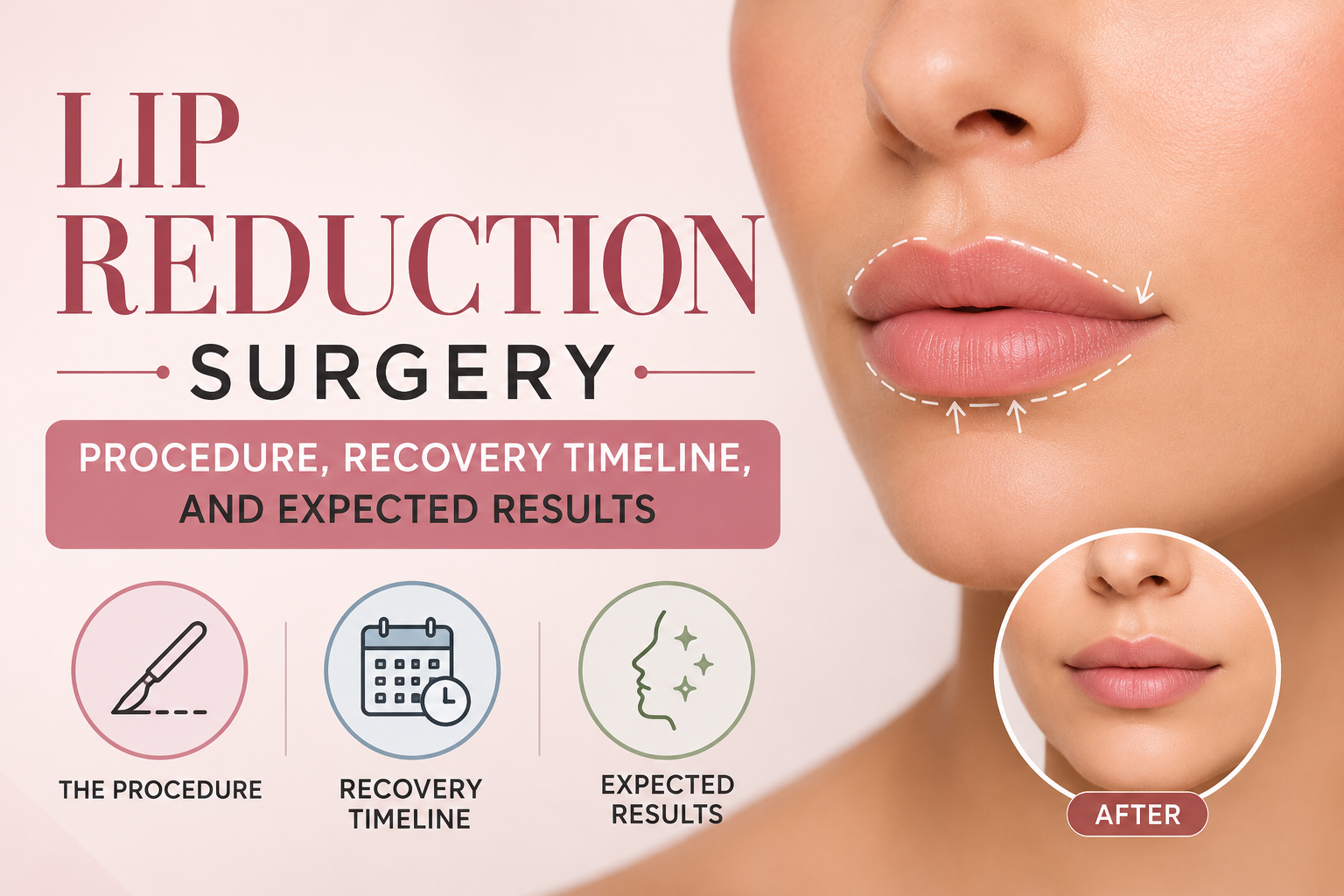
Lips play a defining role in how the face looks as a whole. They influence expressions, proportions, and the overall balance of facial features. While a large portion of the cosmetic world focuses on making lips bigger and fuller, there is a quieter but equally important conversation happening among people who feel the opposite. For those who feel their lips are disproportionately large, overly prominent, or simply out of balance with the rest of their face, lip reduction surgery offers a meaningful and lasting solution.
This procedure is not about chasing a trend or conforming to a specific beauty standard. It is about personal comfort, facial harmony, and feeling at ease in your own skin. Whether you have naturally large lips, experienced unwanted results from filler treatments, or have simply struggled with the way your lips look in proportion to your other features, lip reduction surgery could be the answer you have been searching for.
This blog will walk you through everything you need to know about lip reduction surgery, from what the procedure involves and who makes a good candidate, to recovery expectations, aftercare guidance, results, and answers to the most commonly asked questions.
What Is Lip Reduction Surgery?
Lip reduction surgery is a cosmetic procedure designed to reduce the size and volume of one or both lips. The primary goal is not to create extremely thin lips but rather to achieve a natural, proportionate, and symmetrical appearance that complements the rest of the face.
A skilled surgeon approaches this procedure with careful attention to facial balance. The aim is always to remove just the right amount of tissue to bring harmony to the face without creating an overcorrected or unnatural look. This is why the procedure is often described as a lip reshaping or lip refinement treatment rather than simply a size reduction.
The reasons people seek lip reduction vary widely. Some individuals are born with naturally prominent or very full lips that feel out of proportion with their nose, chin, or overall face size. Others may have received lip filler injections over time and ended up with results they are not happy with. Some people experience difficulty keeping their lips closed comfortably, which can affect speech, eating, and daily facial movements. Others simply want to refine the shape or improve symmetry between the upper and lower lip.
Whatever the reason, lip reduction surgery is a highly individualized procedure. There is no standard template applied to every patient. Instead, the treatment is carefully tailored to each person's unique anatomy and aesthetic goals. This makes the consultation stage especially important, as it is during this phase that the surgeon understands your face and develops a specific plan for your needs.
Who Is a Good Candidate for Lip Reduction Surgery?
Not everyone requires or is suitable for this procedure, which is why an initial consultation with a qualified surgeon is always the first step. That said, there are several characteristics that typically make someone a strong candidate for lip reduction.
You may be a good candidate if your lips feel disproportionately large in relation to your other facial features. People who feel self-conscious about the size of their lips, who notice that others frequently comment on them, or who simply feel their lips draw too much attention often seek this procedure.
Individuals with lip asymmetry, where one lip is noticeably larger or differently shaped than the other, may also benefit from lip reduction surgery. This is sometimes a natural occurrence and sometimes the result of previous cosmetic treatments.
Those who have received multiple rounds of lip filler injections and are unhappy with the volume they have accumulated may find lip reduction to be an effective corrective solution. In these cases, the goal is to remove excess tissue and restore a more refined, natural appearance.
Good candidates are also generally in good overall health, free from active infections, lip conditions, or illnesses that could interfere with healing. Having realistic expectations about the outcome is equally important. Lip reduction surgery can refine, balance, and enhance the lips, but it is not a transformation procedure. A good surgeon will always discuss what is achievable and what is not during the consultation stage.
What Happens During the Consultation?
The consultation is where the entire surgical plan begins to take shape. During this appointment, your surgeon will take a detailed look at your facial proportions, the size and shape of both lips, the volume of excess tissue present, and the overall relationship between your lips and the rest of your face.
Photographs are typically taken during the consultation to assist with planning. These images allow the surgeon to study your features in detail and discuss the expected outcome with you. Many surgeons will use these photos to explain exactly what changes are anticipated and how the final result should look.
This is also your opportunity to ask questions, raise concerns, and express your goals clearly. The more openly you communicate during the consultation, the better equipped your surgeon will be to deliver results that align with what you are hoping for. Do not hold back from asking about scars, pain levels, recovery time, or anything else that concerns you. A thorough consultation is the foundation of a successful outcome.
How Is Lip Reduction Surgery Performed?
The procedure itself is relatively straightforward, especially when compared to more complex cosmetic surgeries. Here is a step-by-step breakdown of what takes place.
Anesthesia Lip reduction surgery is performed under local anesthesia. This means the area around the lips is numbed so that the procedure can be carried out comfortably without the need for general anesthesia. Patients remain awake during the surgery but experience no pain in the treated area.
Incision Placement One of the key features of lip reduction surgery is that the incision is made on the inner side of the lip, inside the mouth. This placement is intentional and strategic, as it ensures that any resulting scar line is completely concealed within the natural contours of the lips and is not visible to others.
Tissue Removal Once the incision is made, the surgeon carefully removes a precise amount of excess tissue. The quantity removed is determined during the planning phase and is calculated to achieve the desired reduction while preserving natural lip function and appearance.
Suturing After tissue removal, the incision is closed using absorbable sutures. These dissolve on their own over time and do not require manual removal, which simplifies the recovery process.
The procedure typically takes around 30 minutes per lip. If both lips are being treated simultaneously, the total time is approximately 60 minutes. This makes lip reduction one of the faster cosmetic surgical procedures available, with minimal downtime compared to many other operations.
Safety Considerations
Lip reduction is generally considered a safe and well-tolerated procedure. It is performed under local anesthesia, involves minimal blood loss, and the surgical area is small and well-defined. When carried out by an experienced and qualified surgeon, the risks are significantly reduced.
The hidden incision placement means scarring is not a visible concern, and the controlled removal of tissue ensures that the procedure does not result in over-reduction when performed correctly. As with any surgical procedure, there are associated risks, and patients should be fully informed about these before consenting to surgery.
Following your surgeon's instructions before and after the procedure is one of the most effective ways to ensure a safe and smooth experience.
What to Expect Immediately After Surgery
The first few hours and days after lip reduction surgery bring predictable and manageable changes. Understanding what to expect during this initial period helps patients feel more prepared and less anxious about the healing process.
In the immediate aftermath of surgery, you can expect mild to moderate swelling around the treated area. This is a completely normal physiological response to any surgical procedure and does not indicate anything is wrong. Some patients also experience tightness, a feeling of heaviness in the lips, and temporary difficulty moving the lips normally for speaking or eating.
Bruising is possible but tends to occur in a minority of patients. If it does appear, it is typically mild and resolves within the first week or two.
An important thing to be aware of is that the lips will appear overcorrected in the early stages of recovery. They may look uneven, overly reduced, or otherwise different from what you expected. This is entirely normal. The swelling distorts the true appearance of the lips, and as healing progresses, the real results gradually emerge. This is why patience is so essential during the recovery period.
The Full Recovery Timeline
Recovery from lip reduction surgery follows a fairly predictable path. While individual healing varies, most patients experience a similar progression of improvement.
Days 1 to 2 The first two days are typically the most uncomfortable. Swelling is present, and the lips may feel heavy and restricted in movement. Speaking and eating can be slightly challenging. Resting with the head slightly elevated, applying gentle cold compression if recommended by your surgeon, and sticking to soft foods all support comfortable recovery during this initial phase.
Days 3 to 5 Swelling reaches its peak during this period before beginning to gradually subside. Some patients feel concerned when they notice the swelling intensifying, but this is a normal part of the healing process. Light bruising may be visible during these days as well.
The First Week By the end of the first week, swelling has begun to noticeably decrease. Discomfort becomes much more manageable, and many patients find they are able to return to sedentary daily activities such as working from home or light desk-based tasks. The lip shape starts to look more defined, and the sutures begin to settle into place.
The Second Week The second week brings further improvement. Most of the swelling has subsided by this point, and any remaining bruising fades. Speaking becomes easier, and lip movement feels more natural. Many patients are surprised by how much their appearance improves in just two weeks. The early results of the surgery start to become visible during this stage.
Weeks Three and Four Between three and four weeks post-surgery, the lips begin to look genuinely proportionate. Swelling is largely resolved, movement is comfortable, and the refined shape of the lips becomes increasingly apparent. Most patients feel confident returning to social activities during this window.
One to Three Months Post-Surgery Full healing takes time, and the final results of lip reduction surgery typically become clearly visible between six and twelve weeks after the procedure. By this stage, internal tissues have healed completely, symmetry is well-established, and the lip contour has fully settled into its new shape. For most patients, this is when they can truly appreciate the outcome of their surgery.
Essential Aftercare Tips for the Best Possible Results
Aftercare is just as important as the surgery itself. The choices you make during your recovery period directly influence your final outcome. Following these guidelines carefully gives you the best chance of achieving smooth, natural-looking results.
Keep the Surgical Area Clean Because the incision is made inside the mouth, maintaining oral hygiene is especially important. Your surgeon will likely recommend gentle mouth rinsing with a mild, non-irritating solution. Avoiding spicy, acidic, or heavily seasoned foods during the early stages of recovery reduces the risk of irritating the incision site or introducing bacteria.
Stick to a Soft Diet For the first several days following surgery, your diet should consist entirely of soft, easy-to-eat foods. Options like soups, yogurt, smoothies, and soft-cooked grains are ideal. Hard, crunchy, or very hot foods should be avoided as they can disturb the sutures and delay healing.
Avoid Stretching the Lips Excessive lip movement during the healing phase puts unnecessary strain on the sutures and can compromise the results. Try to avoid laughing loudly, opening the mouth very wide, or making exaggerated facial expressions in the first few weeks. This is not about suppressing your emotions but about being mindful of protecting the healing tissue.
Stay Hydrated Drinking adequate water throughout the recovery period supports overall healing and helps prevent lip dryness, which can become uncomfortable when the lips are healing. Staying hydrated is a simple but effective way to support the process.
Avoid Smoking and Alcohol Smoking reduces circulation and impairs the body's ability to heal effectively. Alcohol can cause inflammation and interfere with medications. Both should be avoided during the recovery period and ideally for several weeks after the procedure.
Follow Your Surgeon's Specific Instructions Every patient is different, and your surgeon may provide tailored aftercare recommendations based on your individual procedure. Prescribed medications, follow-up appointment schedules, and any specific restrictions they mention should be followed precisely. If you have any concerns during recovery, contact your surgeon's office rather than trying to manage them independently.
Is Lip Reduction Surgery Painful?
Pain is one of the most common concerns patients raise before undergoing lip reduction surgery. The reassuring reality is that pain levels associated with this procedure are generally mild to moderate and are well-managed with standard over-the-counter or prescribed pain relief medication.
During the procedure itself, local anesthesia ensures complete comfort. Patients feel no pain while surgery is being performed. Afterward, some tenderness and discomfort in the lip area is expected as the anesthesia wears off, but this typically resolves within a few days. Compared to many other cosmetic surgical procedures, lip reduction involves notably minimal discomfort throughout the recovery process.
Will There Be Visible Scarring?
The concern about visible scarring is completely understandable, especially for a procedure on such a prominent and noticeable part of the face. The good news is that lip reduction surgery is specifically designed to avoid external scarring.
Because the incision is placed inside the lip along the inner mucosal surface, there is no visible cut on the outside of the face. As healing progresses and the incision site matures, even the internal marking becomes barely detectable. For the vast majority of patients, scarring is not a visible concern once healing is complete, and the procedure is frequently described as one of the most discreet options in facial plastic surgery.
Possible Risks and Complications
As with any surgical procedure, there are potential risks associated with lip reduction surgery that patients should be aware of before making their decision. These include infection at the incision site, delayed healing, prolonged swelling, minor asymmetry between the two lips, and temporary numbness or altered sensation around the treated area.
These complications are relatively uncommon, particularly when the surgery is performed by an experienced surgeon and when patients adhere carefully to aftercare guidelines. Being honest with your surgeon during the consultation about your medical history, any medications you take, and any previous procedures you have had will help minimize risk further.
Emotional and Psychological Aspects of Recovery
Recovery from lip reduction surgery is not purely physical. Many patients experience emotional challenges during the healing process, particularly in the first two weeks when swelling distorts the appearance of the lips. It is not uncommon to feel anxious or uncertain when the immediate post-surgical results look different from what you imagined.
This emotional response is completely normal and shared by many people who undergo cosmetic procedures. The key is understanding that the initial appearance is temporary. As healing progresses week by week, the true results emerge, and most patients find that their feelings shift from concern to satisfaction as the final shape becomes visible.
Having realistic expectations before surgery, maintaining open communication with your surgical team during recovery, and giving your body the time it needs to heal are all important parts of navigating this emotional journey successfully.
What Results Can You Realistically Expect?
The goal of lip reduction surgery is not to produce the thinnest lips possible. It is to create lips that are harmonious, proportionate, balanced, and natural-looking in the context of the patient's overall face. A successful procedure results in lips that draw attention not because they appear dramatically different, but because the face simply looks more balanced and pleasing overall.
After complete healing, patients typically notice a more proportionate relationship between the upper and lower lips and between the lips and the rest of the face. The lip contour becomes more refined, movement feels natural and comfortable, and the overall aesthetic is one of quiet, subtle improvement rather than obvious cosmetic intervention.
It is worth noting that individual results vary. Factors including the amount of tissue removed, the patient's natural healing ability, and post-surgical care all influence the final appearance. Your surgeon will discuss expected outcomes in detail during the consultation, giving you a clear picture of what is realistic for your specific anatomy.
Are the Results Permanent?
One of the most frequently asked questions about lip reduction surgery is whether the results are permanent. The answer is yes. Because the excess tissue is surgically removed, it does not regenerate. The reduced lip size achieved through the procedure is lasting.
That said, it is important to remember that the face continues to age naturally. Over many years, changes in skin elasticity and overall facial structure may subtly influence the appearance of the lips, just as they affect every other part of the face. However, these are natural aging processes rather than a reversal of the surgical outcome. In the vast majority of cases, patients do not require a secondary procedure to maintain their results.
Can Lip Reduction Be Combined with Other Procedures?
Lip reduction surgery can be performed as a standalone procedure or in combination with other facial treatments, depending on the patient's goals. Combining it with complementary procedures can sometimes produce a more comprehensive improvement in overall facial harmony.
Some patients choose to address multiple concerns in a single surgical session. Procedures that are sometimes performed alongside lip reduction include rhinoplasty, chin augmentation, jaw contouring, and other facial symmetry enhancement treatments. The decision to combine procedures depends on your individual goals, your surgeon's recommendation, and your overall health status. Your consultation is the best time to explore these options.
Returning to Daily Life After Surgery
Most patients find that they can return to light daily activities within five to seven days following lip reduction surgery. Work that does not involve significant physical exertion can typically be resumed within a week. Social activities can generally be resumed within two to three weeks, once swelling has reduced enough that the patient feels comfortable being in public.
Physically demanding activities, heavy lifting, and intense exercise should be avoided for at least two weeks post-surgery. Your surgeon will advise you on when it is safe to resume specific activities based on how your healing is progressing.
Long-Term Lip Care After Surgery
Once healing is complete, maintaining the health and appearance of your lips becomes an ongoing commitment. Staying well-hydrated, protecting the lips from extreme weather conditions, avoiding habits like lip biting, and following a general skincare routine all contribute to the long-term appearance of your results.
Periodic check-ins with your surgeon, even after you have fully healed, can be valuable for monitoring your results and addressing any concerns early. If you have questions or notice any unusual changes at any point after surgery, reaching out to your medical team is always the right approach.
Why Your Choice of Surgeon Matters
The success of lip reduction surgery depends significantly on the skill, experience, and judgment of the surgeon performing it. A highly qualified surgeon brings an understanding of facial anatomy, an eye for proportion, and the technical precision required to remove tissue safely and accurately.
An experienced surgeon knows how to avoid over-reduction, maintain symmetry between both lips, preserve the natural curves and contours of the lip structure, and deliver results that look genuinely natural rather than surgically altered. Choosing a board-certified plastic surgeon with a demonstrated track record in facial procedures is one of the most important decisions you will make throughout this entire process.
Take time to review before-and-after photographs, read patient reviews, ask about credentials, and ask specific questions about how your individual case will be approached. Feeling confident in your surgeon is essential to feeling confident throughout the entire experience.
Conclusion
Lip reduction surgery is a refined, individualized procedure that offers lasting improvements to facial balance, symmetry, and personal comfort. It is not a dramatic transformation. It is a thoughtful correction designed to help people feel more at ease with the way they look.
Whether you have naturally prominent lips that have always felt out of place, have accumulated excess volume from previous filler treatments, or simply want to achieve a more balanced facial appearance, this procedure offers a safe, effective, and discreet path toward that goal. With the right surgeon, the right preparation, and the right aftercare, the results can be genuinely life-enhancing.
If lip reduction surgery is something you are considering, the most important next step is scheduling a consultation with a qualified and experienced plastic surgeon. From there, you can begin the process of understanding exactly what is possible and what the right plan looks like for you.
Frequently Asked Questions (FAQs)
Q1: What is lip reduction surgery, and who is a good candidate for this procedure?
Lip reduction surgery is a cosmetic procedure that removes excess lip tissue to achieve a more proportionate and balanced appearance. Ideal candidates are individuals with naturally oversized lips, asymmetrical lips, or unwanted volume from previous filler injections who are in good health and hold realistic expectations about surgical outcomes.
Q2: How long does it take to recover from lip size reduction surgery?
Initial healing and the resolution of most visible swelling typically occur within two weeks. However, complete internal healing and the full emergence of final results generally take between six and twelve weeks. Most patients return to light daily activities within five to seven days following surgery, with social activities resumable around two to three weeks post-procedure.
Q3: Are the results of lip reduction surgery permanent?
Yes, the results of lip reduction surgery are considered permanent. The excess tissue removed during the procedure does not regenerate, so the reduced lip size is lasting. Natural aging of the face may gradually influence the overall appearance of the lips over many years, but this does not reverse the surgical outcome or typically require additional intervention.
Q4: Will lip reduction surgery leave any visible scars?
No visible scarring is expected from lip reduction surgery. The incision is made on the inner surface of the lip, inside the mouth, where it remains completely concealed. As healing progresses, even the internal incision site becomes barely noticeable. This hidden placement makes lip reduction one of the most discreet options among facial cosmetic procedures.
Q5: How should I care for my lips after lip reduction surgery?
After surgery, avoid stretching your lips unnecessarily, eat soft foods such as soups, yogurt, and smoothies, maintain gentle oral hygiene, stay hydrated, and refrain from smoking or drinking alcohol during the recovery period. Follow all specific instructions provided by your surgeon, including taking prescribed medications and attending follow-up appointments as scheduled.
Q6: Is lip reduction surgery a painful procedure?
Pain levels associated with lip reduction surgery are generally mild to moderate. During the procedure, local anesthesia ensures complete comfort and no pain is felt. Afterward, some tenderness and tightness are expected as the anesthesia wears off, but these symptoms typically resolve within a few days and are effectively managed with standard pain relief medication prescribed by your surgeon.
Q7: Can lip reduction surgery be combined with other facial procedures?
Yes, lip reduction surgery can be performed alongside other facial procedures to achieve broader improvements in facial harmony. It is sometimes combined with rhinoplasty, chin augmentation, jaw contouring, or other symmetry-enhancing treatments. Whether combining procedures is appropriate depends on your individual goals and overall health, which your surgeon will assess in detail during the consultation appointment.
Q8: How soon can I return to work after lip reduction surgery?
Most patients are able to return to light, non-physical work within one week following lip reduction surgery. Those with desk-based or remote roles often feel well enough to work from home even sooner. Jobs requiring significant physical exertion, extended speaking, or close social interaction may require a slightly longer absence of approximately two to three weeks for comfortable recovery.
Q9: What are the main risks associated with lip reduction surgery?
The most common potential complications include temporary swelling, minor bruising, short-term numbness around the lips, and slight asymmetry during early healing. Less common risks include infection and delayed healing. Choosing a board-certified and experienced surgeon, being transparent about your medical history during consultation, and following all aftercare instructions carefully significantly reduces the likelihood of experiencing serious complications.
Q10: Will my lips look natural after lip reduction surgery?
Yes, when performed by an experienced surgeon, lip reduction surgery produces natural-looking results. The goal is not extreme reduction but rather proportionate refinement that enhances overall facial harmony. The surgeon preserves the natural curves, contours, and fullness of the lips while reducing excess volume, resulting in lips that look balanced and authentic rather than obviously surgically altered.