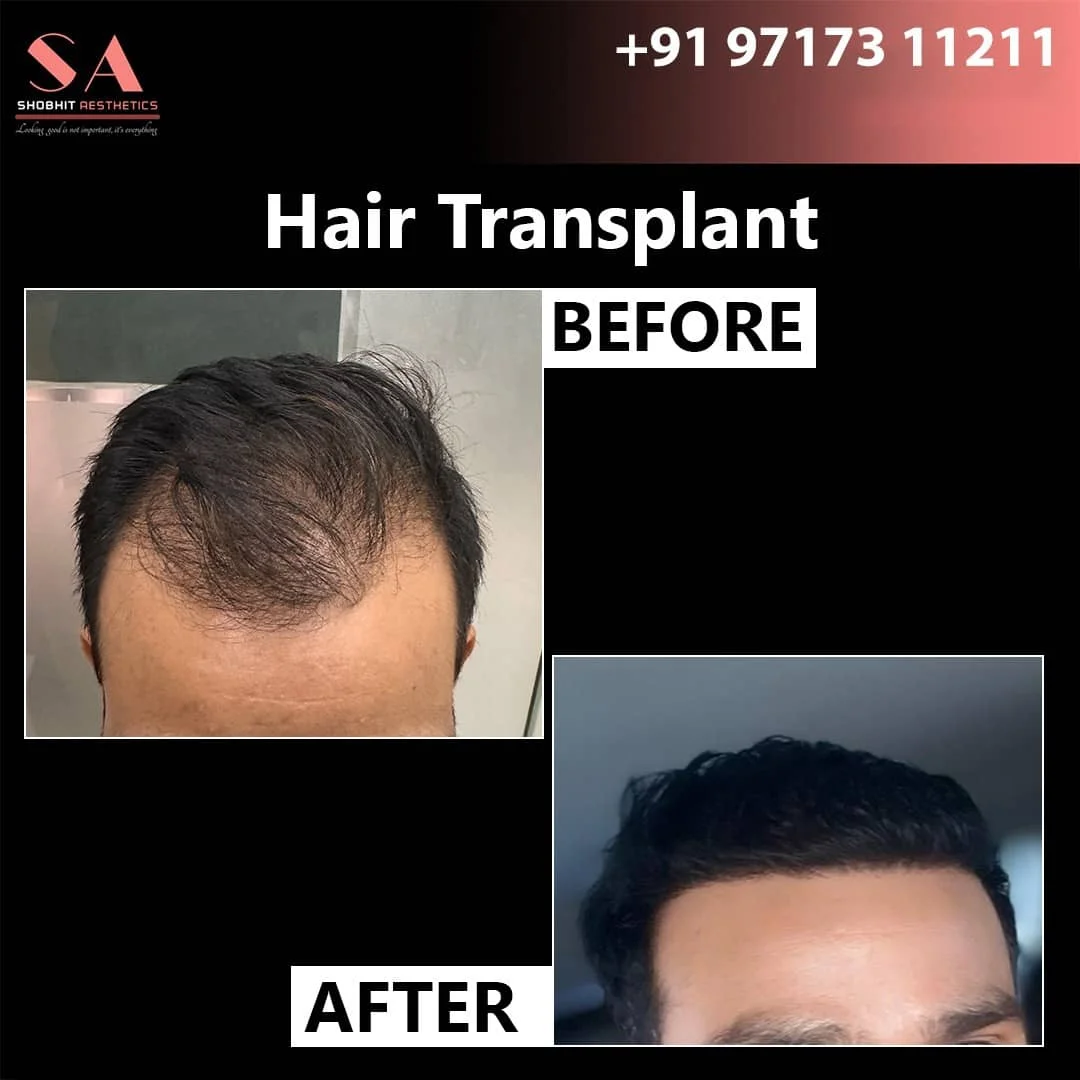
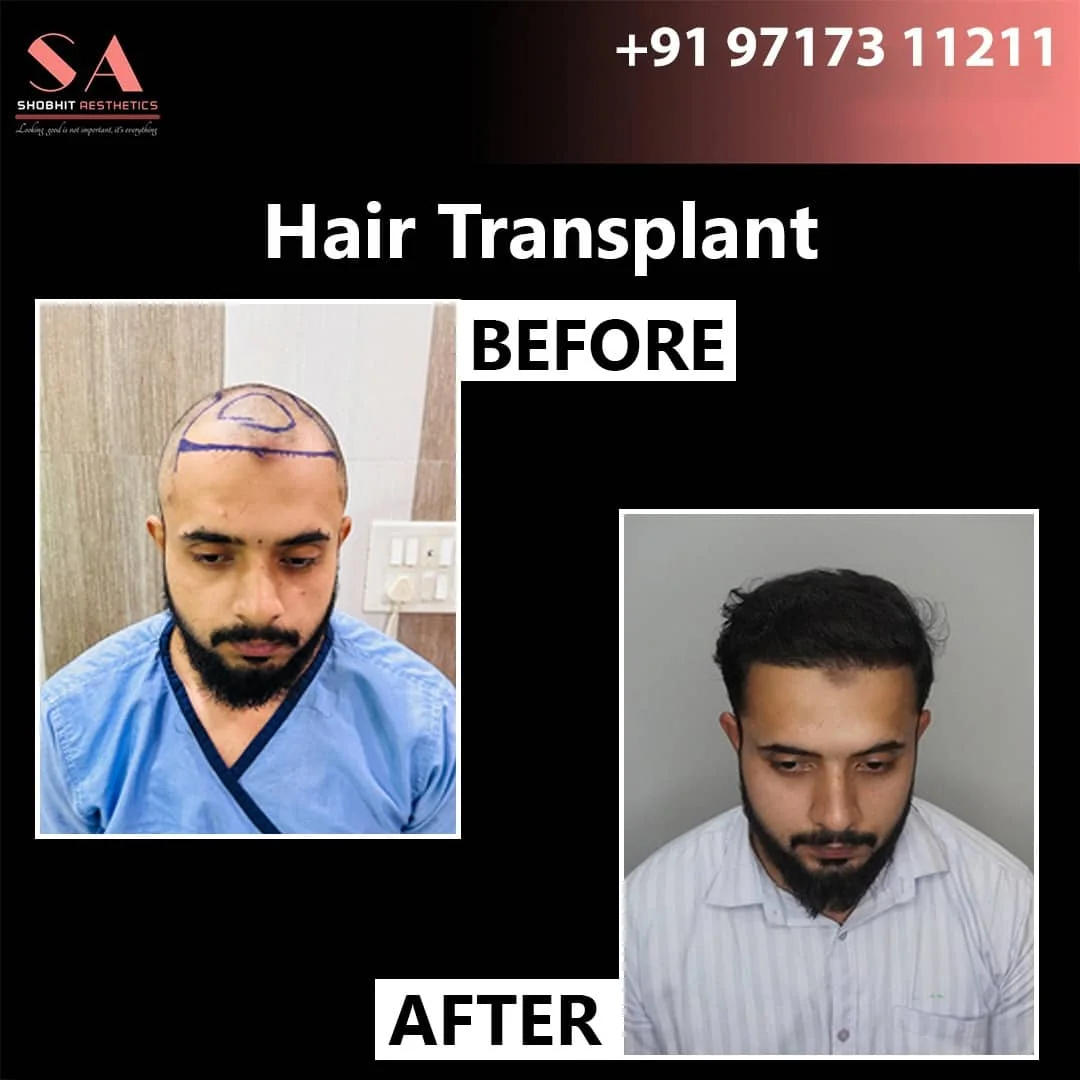
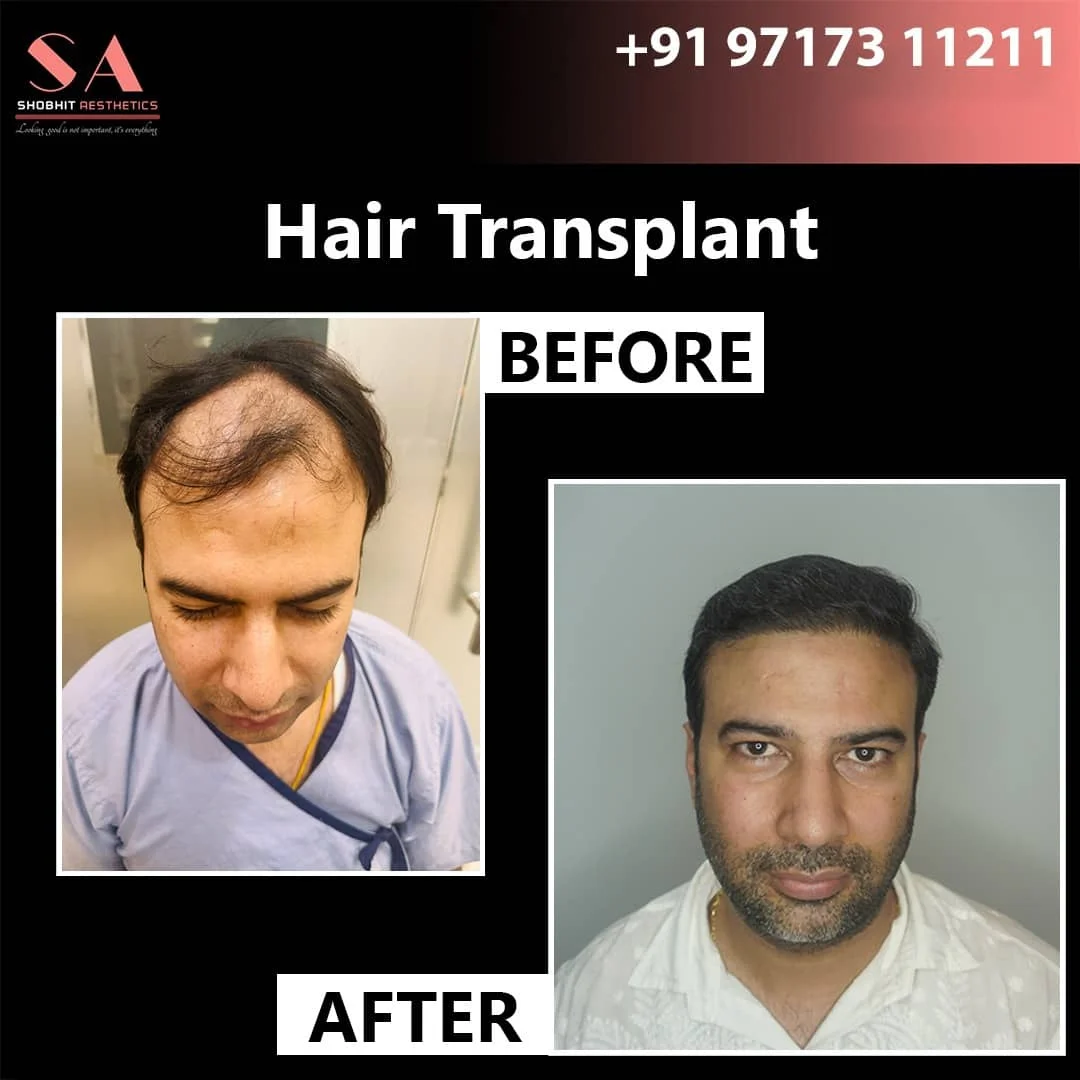
Follicular Unit Transplant (FUT) is a strip technique for hair restoration. It includes eliminating a linear strip of hair from the contributor locale of the scalp and embedding it in the beneficiary district. The strip holding back hair follicles is analyzed under a sound system magnifying instrument and partitioned into unions of 1-3 follicle grafts. These unions are then put into cuts made in the recipient area.
In one meeting, a limit of 2000 grafts can be established in the recipient area. Be that as it may, it was not generally so. Already, various techniques were utilized for hair transfers. Be that as it may, it was not generally so. You can ask for a FUT hair transplant before and after pictures from your surgeon to check the FUT hair transplant results.
Contingent upon your balding, scalp adaptability and the idea of your sparseness, an elective technique for FUT can be FUE or PRP hair treatment.
As of now, there are two principal kinds of hair transplantation strategies:
Follicular Unit Extraction (FUE) Hair Transplant
Follicular Unit Transplantation (FUT) Hair Transplant
The main difference between FUT and FUE hair transplant methods is as below:
- FUE (Follicular Unit Extraction): – In this technique, our surgeon takes out the hair follicles from the donor area and one by one plants them into the recipient area which is the bald area of the head.
FUT (Follicular Unit Transplantation): – In the FUT method, the surgeon takes a skin-bearing strip from the donor area and takes out the hair follicles then under the high-powered microscopes implants them into the recipient area.
What Is FUT Hair Transplant?
FUT (Follicular Unit Transplantation) Hair Transplant is a highly effective hair restoration procedure used to treat hair thinning, receding hairlines, and baldness. In this technique, a thin strip of scalp containing healthy hair follicles is removed from the donor area - usually the back or sides of the head where hair growth is naturally permanent and resistant to hair loss. The strip is then carefully dissected under high-powered microscopes into individual follicular unit grafts containing 1–4 hairs, which are implanted into the bald or thinning areas of the scalp.
FUT is one of the most trusted and widely performed hair transplant techniques for achieving dense and natural-looking results, especially in patients who require a large number of grafts in a single session. Because the follicles are harvested from the permanent donor zone, the transplanted hair continues to grow naturally for a lifetime.
The procedure is performed under local anaesthesia, making it safe and relatively comfortable for the patient. Depending on the number of grafts required, the surgery generally takes around 5–6 hours. After transplantation, the newly implanted follicles begin producing new hair growth over the following months, with noticeable improvement usually visible within 6–9 months and full results appearing within 12–18 months.
One of the major advantages of FUT hair transplant is its high graft survival rate and the ability to achieve maximum hair density in the front hairline and crown areas. Although the procedure leaves a fine linear scar in the donor area, it is usually concealed beneath surrounding hair and becomes barely noticeable once healed.
FUT hair transplant is considered an ideal option for patients with advanced hair loss, good donor hair density, and those looking for permanent, natural-looking hair restoration results.
Key fact: FUT allows surgeons to harvest the highest number of viable grafts per session of any hair transplant method — with a single session commonly yielding 2,000 to 4,000+ follicular unit grafts. This makes it the preferred technique for patients with advanced hair loss requiring comprehensive coverage in one procedure.
Key Facts About FUT Hair Transplant at a Glance
| Question | Answer |
|---|---|
| What does it treat? | Androgenetic alopecia (male and female), advanced pattern baldness, hairline restoration |
| Procedure duration | 5–8 hours (single session) |
| Maximum grafts per session | 2,000–4,500+ (highest of any technique) |
| Anaesthesia used | Local anaesthesia with sedation |
| Scarring | Single linear scar at back of scalp — concealed by surrounding hair |
| Recovery to normal activity | 10–14 days |
| When is growth visible? | Month 3–4 (early); Month 12–18 (full result) |
| Are results permanent? | Yes — transplanted DHT-resistant follicles grow permanently |
| Graft survival rate | 90–95% with experienced surgical team |
| Can it be combined? | Yes — PRP, minoxidil, finasteride, LLLT recommended alongside |
| Who is the best candidate? | Norwood III–VII patients needing high graft volume; adequate donor laxity |
Understanding the Science Behind FUT Hair Transplant
Why donor hair from the back of the scalp is permanent
The foundation of all hair transplant surgery — both FUT and FUE — is a principle called donor dominance, first described by dermatologist Dr. Norman Orentreich in the 1950s. This principle establishes that hair follicles taken from the occipital and parietal scalp (the back and sides of the head) are genetically programmed to be resistant to dihydrotestosterone (DHT) — the hormone responsible for androgenetic alopecia (pattern hair loss).
When these DHT-resistant follicles are transplanted to a thinning or bald area, they retain their genetic resistance and continue to grow permanently in their new location — which is why hair transplant results are considered a long-term, permanent solution.
Why the strip method maximises graft quality
In FUT, the donor strip is harvested from the mid-donor zone — the densest, most permanent band of hair on the scalp running from ear to ear across the back of the head. This zone contains the highest proportion of permanent follicles with the lowest risk of future loss, making it the optimal harvest site for transplant surgery.
Because the strip is dissected under high-powered stereo-microscopes by trained technicians, follicular units are separated with their surrounding protective tissue intact — resulting in grafts with superior structural integrity compared to individually punched grafts in some FUE cases.
Clinical insight: Studies published in the Dermatologic Surgery journal have demonstrated that FUT grafts consistently show high survival rates of 90–95% when harvested from the mid-donor zone and handled with proper microsurgical technique. The protective connective tissue surrounding the follicular unit in FUT dissection contributes to this high viability.
How FUT Compares to Other Hair Restoration Options
FUT vs FUE: A Detailed Side-by-Side Comparison
| Feature | FUT (Strip Method) | FUE (Follicular Unit Extraction) |
|---|---|---|
| Extraction method | Linear strip removed, then micro-dissected | Individual follicles punched out one by one |
| Scarring | Single linear scar at back of scalp | Multiple tiny dot scars dispersed in donor area |
| Scar visibility | Concealed by surrounding hair at normal length | Virtually invisible even at shorter hair lengths |
| Graft yield per session | Highest — 2,000 to 4,000+ grafts | Moderate to high — typically 1,500 to 3,000 per session |
| Graft quality | Very high — protective tissue preserved | High — dependent on punch size and technique |
| Procedure duration | 5–8 hours | 6–10 hours for equivalent graft numbers |
| Recovery time | 10–14 days | 7–10 days |
| Donor area discomfort | Mild tension at suture line | Mild soreness across donor zone |
| Cost per graft | Generally lower | Generally higher |
| Best suited for | High graft requirements, advanced hair loss, limited donor density | Patients prioritising no linear scar, short hairstyles, smaller sessions |
| Suitable for body hair harvesting | No | Yes |
Who Is the Ideal Candidate for FUT Hair Transplant?
Proper patient selection is the most critical determinant of FUT success. Not every individual experiencing hair loss is a suitable candidate, and a thorough pre-operative assessment is essential before any surgical recommendation is made.
Strong candidates for FUT include patients who:
- Are aged 25 years or above, with hair loss that has sufficiently stabilised
- Have significant or advanced hair loss (Norwood Scale III–VII) requiring a high number of grafts
- Have good donor hair density in the back and sides of the scalp
- Have sufficient scalp laxity (flexibility) to allow strip removal and closure without tension
- Are comfortable with a linear scar that will be covered by surrounding hair
- Prefer to keep hair at medium to longer lengths (where the donor scar is naturally concealed)
- Are in good general health without conditions that impair wound healing
- Are non-smokers or willing to cease smoking well before and after surgery
- Have realistic expectations about coverage, density, and timeline of results
Patients who may not be ideal candidates include those who:
- Prefer to wear hair very short (the linear scar may be visible at short lengths)
- Have very low scalp laxity — insufficient to allow tension-free strip closure
- Have significant medical conditions affecting healing (uncontrolled diabetes, clotting disorders)
- Are active smokers unwilling to stop — smoking significantly compromises wound healing and graft survival
- Are very young (under 22–25) with rapidly progressing, unstabilised hair loss
- Have diffuse unpatterned alopecia (DUPA) — where the donor zone is also affected by thinning
Important: The decision between FUT and FUE is not simply a matter of patient preference — it is a clinical decision based on donor density, scalp laxity, degree of hair loss, lifestyle, and long-term hair restoration goals. At Shobhit Aesthetics, every candidate undergoes a thorough scalp and donor assessment before a technique recommendation is made.
FUT vs Non-Surgical Hair Restoration
| Treatment | Permanence | Density Achievable | Downtime | Best Suited For |
|---|---|---|---|---|
| FUT Hair Transplant | Permanent | High | 10–14 days | Moderate to advanced hair loss |
| FUE Hair Transplant | Permanent | Moderate to high | 7–10 days | Mild to moderate hair loss |
| PRP Therapy | Temporary (maintenance) | Low — slows loss only | None | Early hair thinning, post-transplant support |
| Minoxidil | Temporary (ongoing use) | Low | None | Early loss, maintenance |
| Finasteride | Temporary (ongoing use) | Low — slows loss | None | Male androgenetic alopecia |
| Hair Systems / Wigs | Non-permanent | Variable | None | Non-surgical preference |
Benefits of FUT Hair Transplant Surgery
High Graft Survival Rate
FUT hair transplant offers a high graft survival rate because the hair follicles are carefully extracted from a strip of scalp tissue under high-powered microscopes. This process helps protect the follicles and surrounding tissue, improving the chances of successful transplantation and long-term hair growth.
Maximum Hair Density
One of the biggest advantages of FUT hair transplant is the ability to achieve higher hair density in a single session. Since a large number of grafts can be harvested at once, the procedure is ideal for patients with moderate to advanced baldness who require extensive coverage.
Natural-Looking Results
FUT hair transplant provides natural-looking results when performed by an experienced surgeon. The grafts are implanted according to the natural angle, direction, and pattern of hair growth, creating a realistic hairline and fuller appearance.
Suitable for Large Bald Areas
Patients with extensive hair loss often benefit from FUT because the procedure allows surgeons to transplant more grafts in one sitting. This makes it highly effective for covering large bald areas on the scalp.
Permanent Hair Restoration
The transplanted hair follicles are usually taken from the permanent donor area at the back of the scalp, which is resistant to hair loss. As a result, the transplanted hair continues to grow naturally for a lifetime.
Efficient Use of Donor Hair
FUT allows surgeons to harvest a large number of healthy follicles without over-harvesting the donor area. This helps preserve donor hair for potential future procedures if required.
Thin and Concealable Scar
Although FUT leaves a linear scar in the donor area, the scar is usually very thin and easily hidden beneath surrounding hair. Patients who keep medium or long hair can conceal the scar effectively.
Faster Procedure for Large Sessions
Compared to some other hair restoration techniques, FUT can be more efficient for larger graft sessions. This reduces the overall surgical time needed to achieve significant coverage.
Improved Confidence and Appearance
Hair loss can affect self-esteem and confidence. FUT hair transplant helps restore a youthful appearance, improving confidence, social comfort, and emotional well-being.
Cost-Effective for High Graft Requirements
FUT hair transplant is often considered more economical for patients who require a large number of grafts. It can provide excellent coverage and density at a lower overall cost per graft.
Duration of FUT Hair Transplant Surgery
The duration of FUT (Follicular Unit Transplantation) hair transplant surgery usually depends on the number of grafts required, the extent of hair loss, and the complexity of the procedure. In most cases, a single FUT hair transplant session takes approximately 5 to 8 hours to complete. Patients with smaller bald areas may require less time, while individuals needing a higher number of grafts for extensive hair restoration may require a longer procedure.
The surgery is performed under local anaesthesia, ensuring that the patient remains comfortable throughout the treatment. The process begins with preparing the donor area and removing a thin strip of scalp containing healthy hair follicles. The extracted strip is then carefully dissected under high-powered microscopes into individual follicular unit grafts. Meanwhile, the surgeon creates tiny recipient sites in the bald or thinning areas where the grafts will be implanted.
A significant portion of the procedure time is dedicated to the precise placement of grafts to ensure natural-looking density, proper hair direction, and long-lasting results. Since FUT hair transplant is a meticulous and detail-oriented procedure, surgeons work carefully to maintain graft quality and survival rates.
Most patients can return home on the same day after surgery and resume light daily activities within a few days following proper post-operative care instructions.
The Procedure of FUT (Follicular Unit Transplantation):-
Understanding each stage of the FUT procedure helps patients feel informed, prepared, and confident going into surgery.
Pre-operative assessment and planning
On the day of surgery, the operating surgeon performs a final assessment of the donor zone — evaluating scalp laxity, follicular density, hair calibre, and the expected yield from the planned strip. The recipient hairline is carefully designed, taking into account the patient's facial proportions, age, the expected progression of hair loss, and the patient's own aesthetic goals.
Hairline design in FUT surgery is an art form as much as a science — a hairline placed too low may look unnatural as surrounding hair continues to thin, while one placed appropriately for the patient's age and facial structure frames the face naturally for decades to come.
Donor area preparation and anaesthesia
The donor strip region at the back of the scalp is trimmed. Local anaesthesia is administered to both the donor and recipient areas, typically combined with a tumescent solution to firm the donor tissue and reduce intraoperative bleeding. The patient remains fully conscious and comfortable throughout the procedure.
Strip harvesting
Using a scalpel, the surgeon carefully excises a narrow elliptical strip of hair-bearing scalp from the mid-donor zone. Strip dimensions are calculated to yield the required number of grafts while allowing tension-free wound closure. A typical strip measures approximately 1–1.5 cm in width and 20–30 cm in length, depending on graft requirements.
The strip is immediately placed in a chilled preservation solution to maintain graft viability while dissection proceeds.
Donor wound closure — the trichophytic technique
The donor incision is closed using either standard sutures or, in many modern practices, the trichophytic closure technique — a refined approach in which one edge of the wound is trimmed so that hair follicles grow directly through the resulting scar, significantly reducing its visibility. When properly executed, a trichophytic closure produces a scar that is barely perceptible even at shorter hair lengths.
Microscopic graft dissection
The harvested strip is passed to a team of trained technicians who dissect it under high-powered stereo-microscopes into individual follicular unit grafts. Grafts are sorted by size:
- Single-hair units — used along the hairline for a natural, soft transition
- Two-hair units — used in the mid-zone behind the hairline
- Three and four-hair units — used in the crown and density zones for maximum fullness
Throughout dissection, grafts are kept in chilled storage solution. Minimising the time grafts spend outside the body is critical to survival rates.
Recipient site creation
While dissection proceeds, the surgeon creates the recipient incisions in the thinning or bald area. The angle, direction, and density of these channels are meticulously planned to replicate the natural growth pattern of the surrounding hair. This is the most artistically demanding step of the procedure — the quality of recipient site creation largely determines how natural the final result appears.
Graft implantation
The sorted follicular unit grafts are carefully placed into each recipient channel — single-hair units at the frontal hairline, progressively larger units behind. This front-to-back grading creates the natural density gradient seen in an unaffected scalp.
Wound care and dressing
The donor area is dressed with a light bandage. The recipient area may be covered with a non-adhesive dressing or left open depending on the surgeon's protocol. Patients typically receive their first post-operative instructions before leaving the clinic.
Total operative time: 5–8 hours depending on the number of grafts transplanted.
Post FUT Hair Transplant Care:-
Avoid Bending and Apply Ice Packs Carefully
Patients should avoid bending their head downward for the first few days after surgery because it can increase swelling and pressure on the scalp. Ice packs may be used around the forehead area as advised by the surgeon to reduce swelling and discomfort. Avoid placing ice directly on the grafts.
Avoid Heavy Exercise and Physical Activities
Strenuous activities such as gym workouts, running, sports, or heavy lifting should be avoided for at least one to two weeks after FUT hair transplant surgery. Excessive sweating and physical strain can affect healing and increase the risk of bleeding.
Protect the Scalp from Sun Exposure
Direct sunlight should be avoided for several weeks or months after surgery because the scalp remains sensitive during healing. Excessive sun exposure can irritate the treated area and affect graft survival.
Do Not Touch or Scratch the Grafts
Patients should avoid touching, rubbing, or scratching the transplanted area until the surgeon confirms that the grafts are secure. Rough handling may damage the newly implanted follicles.
Remove Dressing as Advised
The temporary dressing applied after surgery should be removed according to the surgeon’s instructions, usually before sleeping or during the first follow-up visit.
Take Prescribed Medications Properly
Follow all post-operative instructions carefully and take medications exactly as prescribed. Antibiotics, painkillers, and anti-inflammatory medicines help reduce discomfort and prevent infection.
Avoid Washing Hair Immediately
Hair washing should be avoided for at least 24 hours after FUT hair transplant surgery. Once permitted, patients should wash the scalp gently using the method recommended by the surgeon.
Avoid Alcohol, Smoking, and Caffeine
Alcohol, smoking, caffeine, and spicy foods should be avoided for several days after surgery because they may increase bleeding, swelling, and slow down the healing process.
Sleep with Your Head Elevated
Keeping the head elevated while sleeping for the first few nights can help minimise swelling and improve comfort during recovery.
Attend Follow-Up Appointments
Regular follow-up visits are important to monitor healing, remove stitches if required, and ensure healthy graft growth after the procedure.
Norwood Scale: Matching Hair Loss Stage to FUT Graft Requirements
| Norwood Stage | Pattern Description | Typical Graft Requirement | FUT Suitable? |
|---|---|---|---|
| Stage I | Minimal recession — no significant loss | Not typically indicated | — |
| Stage II | Slight temple recession | 500–1,000 grafts | Yes |
| Stage III | Deeper temple recession ± early crown thinning | 1,000–2,000 grafts | Yes |
| Stage III Vertex | Primarily crown thinning with temple recession | 1,500–2,500 grafts | Yes |
| Stage IV | Significant recession + crown thinning, bridge narrows | 2,000–3,000 grafts | Ideal |
| Stage V | Large bald area, narrow bridge between frontal and crown | 2,500–3,500 grafts | Ideal |
| Stage VI | Bridge fully lost, extensive frontal and crown baldness | 3,000–4,500 grafts | Ideal — high yield needed |
| Stage VII | Minimal donor strip, only sides and back remain | 4,000–6,000+ grafts | Best technique for max yield |
Estimates only. Actual graft counts depend on follicular density, hair calibre, scalp laxity, and desired coverage density — assessed at consultation.
Post-FUT Surgery Care: Essential Dos and Don'ts
Do:
- Follow your surgeon's exact scalp washing instructions — typically gentle, diluted shampooing from day 3–4 onwards
- Take all prescribed medications on schedule — antibiotics, anti-inflammatories, and any hair loss medications recommended
- Sleep with head elevated for the first 7 nights to reduce swelling
- Protect the donor scar from sun exposure with a hat or SPF 30+ for at least 6–12 months
- Attend every scheduled follow-up appointment — early identification of any concerns allows prompt management
- Maintain a nutrient-rich diet to support healing — adequate protein, iron, zinc, and vitamins A, C, and D
Avoid:
- Touching, picking, or rubbing scabs in the recipient area — allow them to shed naturally over 10–14 days
- Strenuous exercise, heavy lifting, or activities that raise blood pressure for the first 3–4 weeks
- Swimming in pools, the sea, or natural water bodies for at least 4 weeks
- Alcohol for the first 7–10 days post-operatively
- Smoking for at least 4 weeks post-operatively — nicotine impairs blood supply and significantly increases the risk of poor healing and graft loss
- Wearing tight caps, helmets, or headbands that press on the recipient or donor area for 3–4 weeks
- Direct sun exposure on the recipient zone and donor scar without protection
Cost of FUT Hair Transplant Surgery
The cost of FUT (Follicular Unit Transplantation) hair transplant surgery varies from patient to patient depending on several important factors. Since every individual experiences a different stage of hair loss, the total number of grafts required for adequate coverage and density also differs. For this reason, FUT hair transplant pricing is usually calculated based on the number of grafts transplanted during the procedure rather than a fixed package cost.
One of the major factors affecting FUT hair transplant cost is the extent of baldness. Patients with mild hair thinning may require fewer grafts, while individuals with advanced hair loss may need larger sessions to achieve natural-looking density. The quality and density of the donor area also influence the treatment planning and overall cost.
The surgeon’s experience, clinic infrastructure, technology used, anaesthesia charges, medications, and post-operative care can also impact the final price of the procedure. Highly experienced hair transplant surgeons and advanced surgical facilities may charge higher fees due to better expertise, precision, and graft survival rates.
In most cases, FUT hair transplant is considered more cost-effective than some other hair restoration techniques when a large number of grafts are required. Since FUT allows surgeons to harvest more grafts in a single session, it can provide better coverage at a comparatively lower cost per graft.
Below is an approximate cost range for FUT hair transplant surgery based on the number of grafts required:
| Number of Grafts | Approximate Cost Range (INR) |
|---|---|
| 500 – 1,000 Grafts | ₹25,000 – ₹50,000 |
| 1,000 – 1,500 Grafts | ₹45,000 – ₹75,000 |
| 1,500 – 2,000 Grafts | ₹70,000 – ₹1,00,000 |
| 2,000 – 3,000 Grafts | ₹90,000 – ₹1,50,000 |
| 3,000 – 4,000+ Grafts | ₹1,40,000 – ₹2,50,000+ |
Note: These prices are tentative and may vary depending on individual requirements, clinic location, surgeon expertise, and additional treatments.
Patients should avoid choosing clinics solely based on very low pricing, as graft quality, surgical precision, hygiene standards, and surgeon involvement play a major role in achieving successful and natural-looking results. A detailed consultation with an experienced hair transplant surgeon helps determine the exact graft requirement, expected results, and final treatment cost based on the patient’s hair restoration goals.
FUT Hair Transplant Side Effects
FUT (Follicular Unit Transplantation) hair transplant is considered a safe and effective hair restoration procedure when performed by an experienced and qualified surgeon. However, like any surgical treatment, certain temporary side effects and minor complications may occur during the healing process. Most side effects are mild and improve gradually with proper aftercare, medications, and follow-up care.
Mild Pain and Discomfort
After the anaesthesia wears off, patients may experience mild pain, tightness, or discomfort in the donor and recipient areas. This usually lasts for a few days and can be managed effectively with prescribed pain medications.
Swelling Around the Scalp and Forehead
Swelling is one of the most common side effects after FUT hair transplant surgery. Some patients may notice swelling around the forehead, scalp, or even near the eyes. This generally subsides within a few days with proper rest and medication.
Minor Bleeding
Slight bleeding or spotting from the donor or recipient area can occur immediately after the procedure due to the small incisions made during surgery. Following post-operative instructions carefully helps reduce this risk.
Bruising and Redness
Mild bruising or redness may appear around the treated areas because of the surgical procedure. These symptoms are temporary and usually fade naturally within a few days or weeks.
Linear Scarring
Since FUT involves removing a strip of scalp from the donor area, a thin linear scar remains after healing. In most cases, the scar is hidden beneath surrounding hair and becomes less noticeable over time.
Temporary Hair Shedding
Some patients experience temporary shedding of transplanted or existing hair after surgery, commonly known as “shock loss.” This is a normal part of the healing cycle, and new hair growth usually starts within a few months.
Numbness or Reduced Sensation
Temporary numbness or reduced sensitivity around the donor area may occur because small nerves are affected during the procedure. Sensation usually returns gradually as healing progresses.
Folliculitis
Folliculitis refers to small pimples or inflammation around newly growing hair follicles. This condition is usually temporary and can be treated easily with medications recommended by the surgeon.
Risk of Infection
Although rare, infection may occur if proper hygiene and aftercare instructions are not followed. Symptoms such as excessive redness, pus, severe pain, or fever should be reported to the doctor immediately.
Importance of Choosing an Experienced Surgeon
The risk of severe side effects and complications can be significantly reduced by choosing a qualified and experienced hair transplant surgeon. Proper surgical techniques, hygiene standards, and post-operative care are essential for achieving safe, natural-looking, and successful FUT hair transplant results.
FUT Hair Transplant Recovery: A Complete Week-by-Week Timeline
Days 1–3: Immediate post-operative period
- Mild to moderate swelling in the forehead and around the eyes may develop — peaks at 48–72 hours and typically resolves by day 4–5
- The donor area feels tight and sore — well managed with prescribed analgesics
- Small scabs begin forming around each transplanted graft in the recipient area
- Head must be kept elevated, even during sleep, to reduce swelling
- Donor dressing is removed within the first 24–48 hours as instructed
Days 4–7: Initial healing phase
- Swelling and bruising begin resolving noticeably
- Gentle washing of the scalp is introduced per the surgeon's specific protocol
- Scabs in the recipient area begin to dry — patients must resist the urge to pick or scratch
- Most patients with desk-based work can return by the end of the first week
- Donor sutures remain in place (removed at approximately day 10–14)
Week 2: Suture removal and continued healing
- Sutures or staples removed at 10–14 days post-operatively — a quick, painless appointment
- Donor scar is pink and healing — fades progressively over the following months
- Transplanted hairs begin to shed (shock loss phase) — this is entirely normal and expected
- Physical activity remains restricted
Weeks 3–6: Shedding and dormancy
- The majority of transplanted hairs shed during this phase — the scalp may look similar to its pre-surgery state, which can be unsettling
- This is not a sign of failure — the follicles are entering a resting phase before beginning a new growth cycle
- Patients can gradually resume light exercise from week 3–4 as directed by their surgeon
- The donor scar continues to mature and fade
Months 2–4: Dormancy period
- Little visible growth — the follicles are re-establishing their blood supply and preparing for active growth
- Any residual redness in the donor or recipient areas continues to fade
- Scalp health and circulation are actively supported by any prescribed post-operative treatments
Months 4–8: Growth begins and accelerates
- New hair growth becomes visible from month 3–4 — initially fine, soft, and lighter in colour
- By month 6, approximately 40–60% of the final result is visible
- Hair progressively thickens and darkens as the growth cycle matures
Months 8–18: Final transformation
- Month 8–10: 60–80% of final density visible
- Month 12: 80–90% of final result apparent — the majority of patients are highly satisfied at this stage
- Month 12–18: Full, final result achieved — hair texture and density fully normalised
- The linear donor scar has typically faded to a fine, pale line by this point
Choosing the Right Surgeon for FUT Hair Transplant
The outcome of FUT surgery depends primarily on two things: the surgical skill of the operating surgeon, and the quality of the microsurgical dissection team. Both must be evaluated before committing to a provider.
What to verify before choosing your FUT surgeon:
- Board certification in plastic surgery, dermatology, or a recognised hair restoration discipline
- Specific, verifiable experience with FUT — not just hair transplant surgery in general
- A detailed before-and-after portfolio covering patients with hair loss stages similar to yours
- Clarity on who performs each step — the surgeon should personally perform the strip harvesting, recipient site creation, and hairline design
- Transparent discussion of risks, realistic outcomes, and the donor scar
- An accredited, well-equipped surgical facility
- A comprehensive aftercare and follow-up policy
Questions to ask at your consultation:
- How many FUT procedures do you perform per year?
- Who performs the strip dissection — trained technicians under direct supervision?
- Can I see before-and-after images of patients at my Norwood stage?
- What closure technique do you use for the donor wound?
- What is included in the quoted cost — and what is not?
- What happens if I experience complications or am unhappy with the density outcome?
Supporting Your FUT Results: Medical and Non-Surgical Maintenance
FUT surgery transplants existing hair but does not stop the natural progression of hair loss in non-transplanted areas. Long-term planning — including medical maintenance — is an important part of achieving the best overall outcome.
Finasteride (Oral — Men)
A DHT-blocking medication that reduces the hormone responsible for follicle miniaturisation. Clinical trials demonstrate that finasteride slows or halts progression of androgenetic alopecia in the majority of male users. It is the most evidence-based pharmacological tool for protecting non-transplanted hair after FUT surgery.
Minoxidil (Topical or Oral)
Extends the anagen (active growth) phase of hair follicles and is available without prescription. Both topical (2% or 5%) and low-dose oral formulations are commonly used alongside FUT surgery to support density in areas not covered by the transplant.
PRP (Platelet-Rich Plasma) Therapy
Injections of growth-factor-rich plasma derived from the patient's own blood. Applied to the scalp at the time of surgery or in post-operative sessions, PRP has been shown in clinical studies to improve graft survival rates, accelerate wound healing, and stimulate activity in miniaturised native follicles. Shobhit Aesthetics integrates PRP into post-FUT care plans for eligible patients as part of a comprehensive hair restoration approach.
Low-Level Laser Therapy (LLLT)
FDA-cleared devices using photobiomodulation to stimulate follicular activity and improve scalp circulation. Used as an adjunct post-operatively and as ongoing maintenance.
Scalp Micropigmentation (SMP)
Not a hair restoration method, but a cosmetic tattooing technique that creates the appearance of a closely shaved scalp or adds the impression of density behind the hairline. Occasionally used to camouflage the FUT donor scar in patients who prefer shorter hairstyles.
The Long-Term Perspective: Planning Your Hair Restoration Journey
FUT surgery is not a single event — it is often the first major step in a longer-term hair restoration plan. Responsible planning considers:
- Future hair loss progression: Hair loss continues in non-transplanted areas after surgery. Planning the hairline and coverage zones with this in mind is critical — a hairline designed for a 30-year-old must still look natural at 50.
- Donor supply management: The donor zone has a finite supply of grafts. Whether a second session may ever be needed should be factored into how aggressively the first session is planned.
- Medical management: Ongoing finasteride and/or minoxidil use significantly slows the progression of remaining native hair loss — protecting the overall aesthetic result long-term.
- Staged restoration: For patients with very advanced loss, a two-stage approach — FUT first for maximum yield, potentially followed by FUE harvesting if more grafts are needed years later — is a recognised strategy.
The most successful long-term outcomes come from patients who approach hair restoration as a planned, informed journey — guided by a surgeon with both the technical expertise and the strategic foresight to plan not just for today, but for the decades ahead. This is the philosophy that drives the consultation and treatment approach at Shobhit Aesthetics — ensuring every patient's surgical plan is built for their lifetime, not just their first appointment.
FUT Hair Transplant Results: What to Realistically Expect
FUT hair transplant results are permanent, progressive, and — when performed well — completely indistinguishable from natural hair. However, setting accurate expectations before surgery is essential to patient satisfaction.
What FUT hair transplant can achieve:
- Permanent restoration of a natural-looking hairline
- Significant increase in density across the frontal zone, mid-scalp, and crown
- A hairline framing that is personalised to your facial structure and age
- Results that grow, can be cut and styled, and behave exactly like your natural hair
- Coverage that lasts a lifetime — as transplanted follicles are genetically DHT-resistant
What FUT hair transplant cannot achieve:
- The density of a full, unaffected scalp — the transplanted hair must be distributed to cover a larger area than the donor strip
- Prevention of ongoing loss in non-transplanted native hair — medical maintenance (finasteride, minoxidil) is typically recommended alongside surgery
- Instant results — the full outcome of FUT surgery takes 12–18 months to fully manifest
- Coverage without a linear donor scar — though the scar is typically concealed, it exists and should be discussed openly
Clinical perspective: The most satisfied FUT patients are those who understood both the possibilities and limitations of the procedure before committing. Surgeons at Shobhit Aesthetics prioritise setting accurate, honest expectations at consultation — the foundation of long-term patient satisfaction.