Long Hair Transplant is an advanced hair restoration procedure designed for individuals who want natural-looking hair regrowth without shaving or trimming their existing hair. Unlike traditional techniques, this procedure allows patients to maintain their current hairstyle while undergoing treatment, making it an ideal option for professionals, public figures, corporate executives, pilots, and anyone who prefers a discreet transformation. The technique focuses on preserving the natural appearance throughout the recovery phase, ensuring that the procedure remains virtually undetectable to others.
This modern approach to hair transplantation combines precision, artistry, and advanced surgical expertise to deliver dense, long-lasting, and aesthetically balanced results. The procedure is performed under local anesthesia and involves the careful extraction and implantation of healthy hair follicles while keeping surrounding hair intact. Because of its complexity and detail-oriented nature, Long Hair Transplant requires a highly experienced surgical team and meticulous planning to achieve seamless outcomes.
One of the biggest advantages of Long Hair Transplant is the confidence it offers patients during and after the treatment journey. With minimal downtime, natural growth patterns, and no dramatic post-surgery appearance, patients can return to their daily routine comfortably. The procedure is suitable for both men and women seeking fuller hair, improved hairline density, and a natural transformation with maximum privacy and comfort.
Key Facts: Long Hair Transplant at a Glance
| Question | Answer |
|---|---|
| What is it? | Advanced FUT technique — no trimming of existing hair required |
| Is it permanent? | Yes — transplanted follicles are DHT-resistant and grow permanently |
| Immediate result visible? | Yes — long transplanted hairs visible on day of surgery |
| Will the hairs shed? | Yes — weeks 2–6; entirely normal; regrowth follows from month 3 |
| Full results timeline | 12–18 months for final density |
| Operative duration | 6–10 hours depending on graft count |
| Recovery to normal activity | 2–3 days for most patients |
| Donor scar visible? | No — concealed by surrounding long hair immediately |
| Who is it best for? | Professionals, privacy-conscious patients, women, public figures |
| Graft survival rate | 90–95% with an experienced specialist team |
| Cost vs standard FUT | Higher — due to team size, complexity, and operative time |
What is a Long Hair Transplant?
A Long Hair Transplant is an advanced hair restoration procedure in which hair follicles are transplanted without shaving or trimming the patient’s existing hair. Unlike conventional hair transplant methods that usually require a completely shaved scalp, this technique preserves the natural hair length throughout the procedure, making it one of the most discreet forms of hair restoration available today. It is especially preferred by individuals who want to maintain privacy about their treatment and avoid a noticeable post-surgery appearance.
In this procedure, healthy hair follicles are carefully extracted from the donor area and implanted into thinning or bald regions while keeping the surrounding hair intact. Since the transplanted grafts already contain long hair strands, patients can immediately visualize the expected direction, density, and appearance of the final outcome. This provides a more natural-looking transformation right from the early stages of recovery.
Long Hair Transplant is commonly chosen by professionals, business executives, actors, media personalities, pilots, and individuals who cannot opt for a shaved look due to personal or professional reasons. The procedure requires exceptional precision, surgical expertise, and an experienced medical team because handling long hair during transplantation is technically more challenging than standard methods. When performed correctly, it delivers natural, long-lasting, and aesthetically pleasing results with minimal downtime and maximum confidence for the patient.
This technique is widely regarded as the most discreet hair restoration method available — delivering permanent, natural-looking results with no visible evidence of surgery during or after the procedure.
Key fact: Long hair transplant is one of the most technically demanding procedures in hair restoration surgery. The extended operative time, the requirement for a larger and highly coordinated surgical team, and the precision needed to handle long-hair grafts without tangling or damaging them means only a small number of highly experienced surgeons worldwide are equipped to perform this technique consistently well.
Long Hair Transplant vs Conventional Hair Transplant: The Core Difference
The most important distinction between a long hair transplant and a standard FUE or FUT procedure is what happens to the patient's existing hair before and during surgery.
| Feature | Long Hair Transplant | Standard FUT | Standard FUE |
|---|---|---|---|
| Donor area shaving required | No - hair stays long | Yes - donor strip area trimmed | Yes - entire donor zone trimmed to 1–2mm |
| Recipient area shaving | No | No | Yes - recipient area often trimmed |
| Surgery visibility post-op | Virtually undetectable | Detectable during initial recovery | Detectable during initial recovery |
| Results visible immediately | Yes - long transplanted hairs visible on table | No - short stubble only | No - short stubble only |
| Technique basis | Advanced FUT with unshaven protocol | Strip FUT | Punch extraction |
| Suitable for privacy-conscious patients | Ideal | Partial | Not ideal |
| Operative complexity | Very high - requires larger team | Moderate | Moderate to high |
| Cost relative to standard FUT | Higher | Moderate | Moderate to high |
| Who performs it | Very few specialist surgeons | Most hair transplant surgeons | Most hair transplant surgeons |
The takeaway: a long hair transplant is not simply a variation of standard hair surgery — it is a fundamentally different patient experience, designed specifically for those who cannot or do not wish to disclose that they have undergone hair restoration.
Pre-Surgery Preparation: A Complete Checklist
Preparation quality directly impacts both surgical safety and post-operative outcomes. Patients should follow these guidelines carefully in the weeks leading up to their long hair transplant.
4–6 weeks before surgery:
- Cease smoking completely — nicotine constricts blood vessels, impairs healing, and reduces graft survival significantly
- Discontinue any blood-thinning supplements (vitamin E, fish oil, ginkgo biloba) after clearance from your prescribing doctor
- Begin a scalp massage routine of 15–20 minutes daily to improve scalp circulation and tissue laxity
- Maintain a nutritious, high-protein diet to optimise tissue health ahead of surgery
2 weeks before surgery:
- Stop aspirin, ibuprofen, and non-steroidal anti-inflammatory drugs (NSAIDs) — only after medical clearance
- Complete all prescribed pre-operative blood tests (LFT, KFT, HbA1c, HBsAg, viral markers including HIV and HCV, thyroid panel)
- Avoid alcohol for at least one week before surgery
- Do not cut, trim, or chemically treat your hair in the weeks before the procedure — the surgical team requires full hair length
Night before and day of surgery:
- Wash hair thoroughly with a mild, sulphate-free shampoo — no styling products
- Eat a light, nutritious meal before the procedure (confirm fasting instructions with your surgical team)
- Wear loose, front-fastening clothing — nothing pulled over the head
- Arrange for a responsible adult to accompany you home after surgery
Who Is the Ideal Candidate for Long Hair Transplant?
Long hair transplant surgery was originally developed to serve a specific group of patients for whom standard hair transplant methods were not practical — those for whom any visible sign of having undergone surgery was professionally or personally unacceptable. Today, its candidacy has broadened, but the core qualifying factors remain consistent.
Primary candidates include:
Professionals who cannot visibly alter their appearance:
- Defence and armed forces personnel subject to strict grooming standards
- Pilots and aviation professionals who cannot take extended leave or alter their appearance conspicuously
- Corporate executives, CEOs, and senior business leaders who are consistently in the public or professional eye
- Actors, media personalities, and public figures for whom any change in appearance would attract immediate attention
- Professionals in client-facing roles where discretion about personal procedures is important
Patients with personal privacy priorities:
- Individuals who prefer not to disclose their hair restoration to family, colleagues, or social circles
- Patients who want to return to normal social life immediately after surgery without recovery being apparent
- Those who find the shaved-head appearance during standard recovery psychologically distressing
Clinical candidates:
- Patients with sufficient donor hair density and scalp laxity suitable for the FUT strip technique
- Those with moderate to advanced androgenetic alopecia (Norwood III–VI) where grafts are needed in visible areas
- Women experiencing pattern hair loss or hairline recession who want complete discretion
- Patients requiring hairline restoration where immediate aesthetic improvement is important
Who may not be suitable:
- Patients with very limited scalp laxity — the strip closure requires sufficient tissue flexibility
- Those with diffuse thinning across the entire scalp including the donor zone
- Patients whose hair loss is still rapidly progressing and has not stabilised
- Those with medical conditions that impair healing or increase surgical risk
- Patients for whom the cost differential of long hair transplant versus standard FUT is prohibitive
The Science Behind Long Hair Transplant Surgery
Why keeping hair long during surgery is technically challenging
In standard FUT surgery, the donor strip is harvested from a shaved or trimmed area — giving the surgical team unobstructed access to the scalp surface and clear visualisation of follicular units. In a long hair transplant, the surrounding hair is present in full length throughout surgery, which creates several technical challenges that only highly trained teams can manage:
- Risk of follicle damage: Long surrounding hairs can become entangled with grafts during extraction and implantation, potentially damaging the follicular units if the team does not handle them with extreme care
- Visual obstruction: The surgical field is partially obscured by surrounding hair, requiring greater surgical precision and experience
- Increased operative time: Working around full-length hair slows every stage of the procedure — from strip harvesting and wound closure to graft dissection and recipient site creation
- Team coordination: A larger, well-coordinated team is required to simultaneously manage hair sectioning, graft handling, and implantation without compromising sterility or graft viability
These challenges explain why long hair transplant surgery requires a specialist surgeon with specific training and a dedicated team — and why not every hair restoration clinic offers this technique.
How graft viability is maintained
Despite the additional complexity, graft survival rates in long hair transplant surgery performed by experienced surgeons are comparable to standard FUT — typically achieving 90–95% follicular survival. This is because the underlying surgical principles remain the same: grafts are harvested from the permanent mid-donor zone, dissected under high-powered microscopes, stored in chilled preservation solution, and implanted with precision into recipient channels created at the correct angle and depth.
Clinical insight: The immediate visual result of a long hair transplant — where long transplanted hairs are visible on the scalp the moment surgery is complete — is not just aesthetically valuable for the patient. It also serves as a real-time indicator of correct graft placement, allowing the surgeon to assess density distribution and aesthetic balance immediately, rather than waiting months for growth to evaluate the outcome.
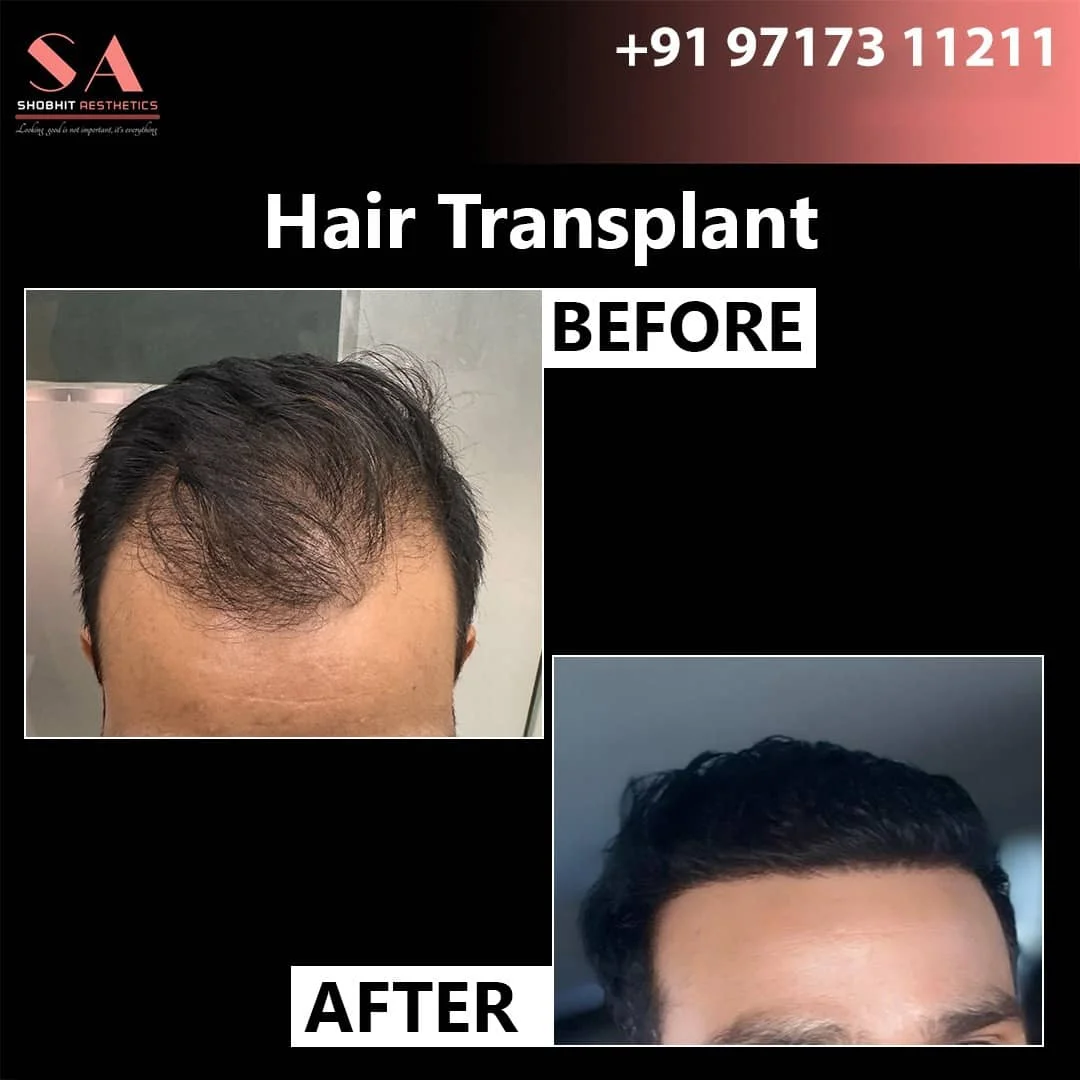
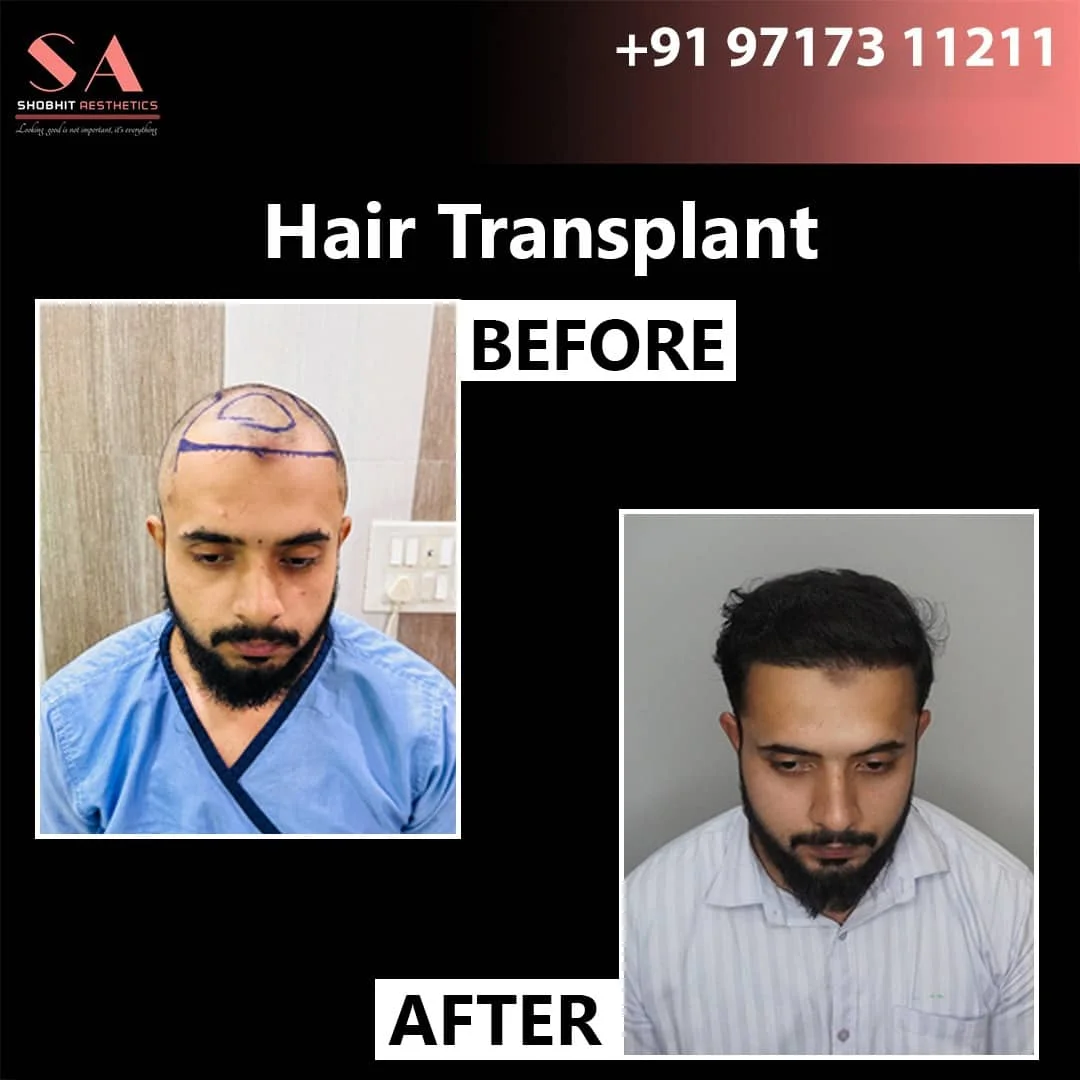
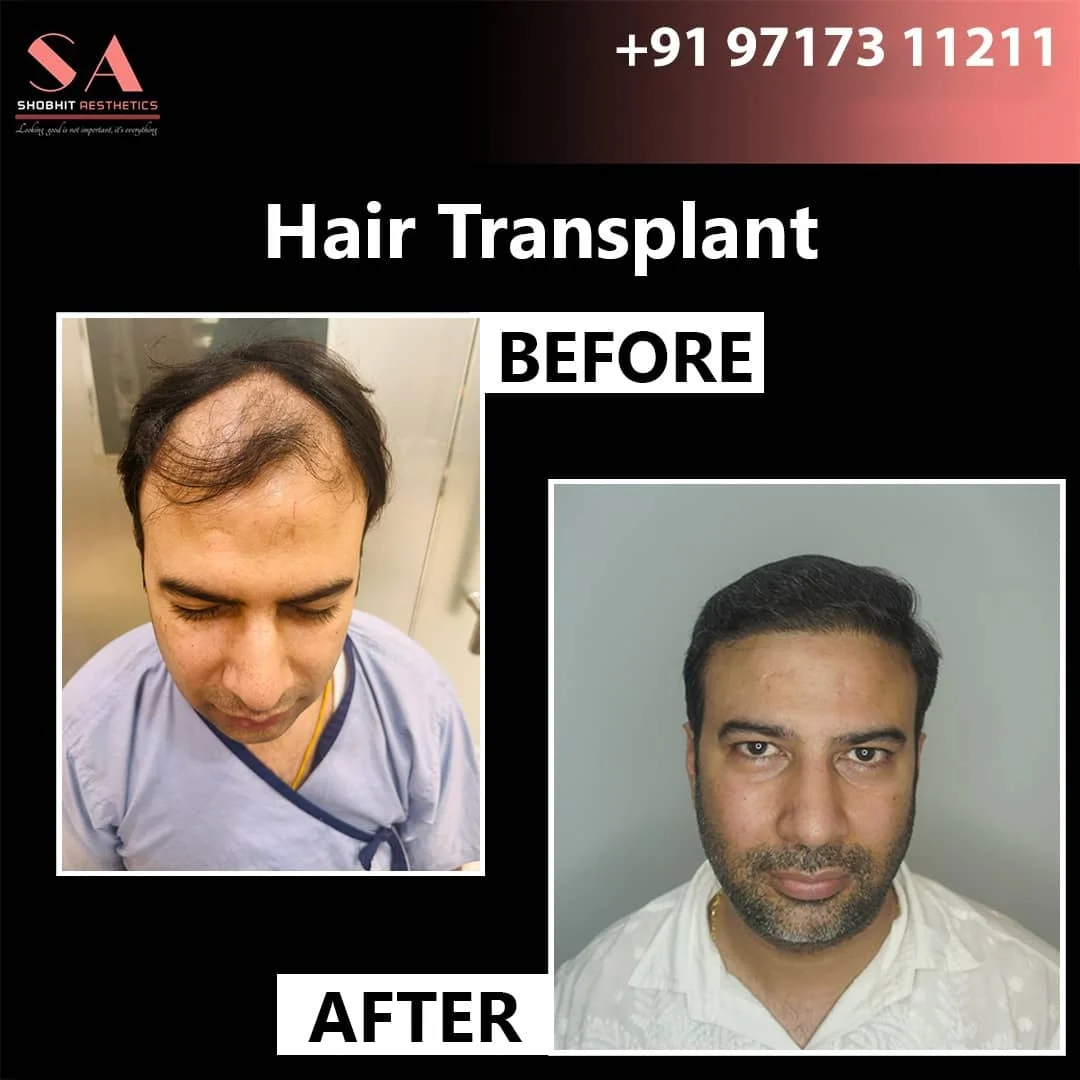
Before and After Long Hair Transplant
Below watch some of our patient testimonials and their views post-surgery. And also, before and after photos along with all necessary details such as:
- Number of follicles required
- Number of follicles implanted during a session (as if the patient needs more than one session for growth all over the head)
- Patient Age
- A technique used during the procedure
- Time duration of surgery (as this surgery results took time for at least a year for full results)
The trade of hair transplant surgery in India is majorly classified into 3 major techniques.
- FUE (Follicle Unit Extraction): In this technique, surgery is done under local anesthesia after head-shaving by using a 0.7mm driller punch to extract follicles. The technique is primarily suggested for the patients who have had done their hair transplant earlier and looking out for another session in order to cover up the remaining baldness. Other than that, a patient who has less donor area and large baldness is suggested to do the above mentioned technique. And the patient who has an extensive fear of stitches can pursue with this technique. Long hair transplant can never get combined with the FUE technique.
- FUT (Follicular Unit Transplantation): The technique is suggested for all the patients as it keeps your donor area intact post-surgery. During this technique, a strip of 1cm is extracted, and a patient who is looking for unshaven hair transplant surgery in India should opt for this. Women also can opt for this procedure. As no trimming other than a donor area need to get done, many patients may get confused about Long Hair Transplant and FUT hair transplant of long hair. Both techniques are co-related but have surgical differentiation.
Long Hair Transplant: This technique is surprisingly an advanced version of FUT. That is why, Long hair Transplant surgery is also known as FUT Long Hair Transplant. In conventional FUT, the donor area needs to be shaved. Long Hair Transplant Delhi is suggested for the patients who are looking for fast surgery results and moreover don’t want to disclose about the surgery he/she has got done.
Long Hair Transplant Procedure: A Step-by-Step Walkthrough
Understanding the precise sequence of events during long hair transplant surgery helps patients feel fully prepared and reduces pre-operative anxiety.
Stage 1: Pre-operative assessment and hairline design
The surgeon conducts a detailed evaluation of the donor zone — assessing scalp laxity, follicular density, hair calibre, and the expected graft yield. The recipient hairline is designed with the patient's existing hair fully present, allowing the surgeon to blend the new hairline seamlessly with existing hair from the moment of implantation. This is one of the unique aesthetic advantages of the long hair technique — hairline design can be visualised in its final context immediately.
Stage 2: Sectioning and isolation of the donor area
The surrounding long hair is carefully sectioned, parted, and temporarily secured away from the donor zone using clips and ties. This requires methodical, precise work to isolate the donor strip area without cutting any surrounding hair. The surgical team works systematically to ensure full access to the donor zone while keeping all surrounding hair protected and untangled.
Stage 3: Local anaesthesia
Local anaesthesia is administered to both the donor and recipient areas. A tumescent solution may be used in the donor zone to firm the tissue and optimise strip harvesting. The patient remains fully conscious and comfortable.
Stage 4: Strip harvesting
The surgeon excises a narrow elliptical strip of hair-bearing scalp from the mid-donor zone — the same permanent, DHT-resistant hair zone used in standard FUT. The strip is immediately transferred to chilled preservation solution. Because the surrounding hair is long rather than shaved, the surgeon must work with greater precision to avoid inadvertent cutting of adjacent hairs.
Stage 5: Donor wound closure
The donor incision is closed using fine sutures, most commonly with a trichophytic closure technique that allows hair to grow through the healing scar — minimising long-term scar visibility. The surrounding long hair falls naturally over the donor area immediately after closure, concealing the suture line completely.
Stage 6: Microscopic graft dissection
The harvested strip is passed to the dissection team for microsurgical separation into individual follicular unit grafts under high-powered stereo-microscopes. Grafts are sorted by unit size:
- Single-hair units — for the frontal hairline edge
- Two to three-hair units — for the mid-zone density
- Three to four-hair units — for the crown and core density areas
Each graft retains its full hair length — unlike standard FUT where hairs are trimmed. This means grafts are longer and more delicate to handle, requiring careful technique to prevent tangling during placement.
Stage 7: Recipient site creation
While dissection proceeds, the surgeon creates the recipient channels in the thinning or bald area. The angle, direction, depth, and density of these incisions are meticulously calibrated to match the natural growth pattern of the surrounding hair — critical for achieving an undetectable result.
Stage 8: Graft implantation with full-length hairs
This is the defining stage of the long hair technique — and its most technically demanding. Each long-hair graft is carefully inserted into its recipient channel using fine forceps, with the full hair length emerging from the scalp surface. The implantation team must handle each graft with extraordinary care to prevent the long hairs from tangling with adjacent grafts or catching on surrounding hair.
As implantation progresses, the transplanted area takes on an immediately visible, natural appearance — with long hairs blending into the surrounding untouched hair. By the end of surgery, the result is visible on the table.
Stage 9: Final assessment and dressing
The surgeon conducts a final review of density distribution and aesthetic balance across the recipient zone — made uniquely possible by the presence of the full-length transplanted hairs. Any areas requiring additional grafts can be identified and addressed immediately. A light dressing is applied to the donor area; the recipient zone is typically left undressed.
Total operative time: 6–10 hours, depending on graft count and team size.
Long Hair Transplant vs Standard FUT: Which Should You Choose?
| Choose Long Hair Transplant if… | Choose Standard FUT if… |
|---|---|
| Privacy during and after surgery is your top priority | You are comfortable with short-term donor area visibility |
| You cannot take extended time off work or social life | You can manage 10–14 days of visible recovery |
| You are a professional in a public-facing role | You are primarily focused on cost efficiency |
| You want to see immediate on-table results | You are comfortable with a phased growth timeline |
| Discretion about having surgery done is essential | Your priority is maximum graft numbers at lowest cost |
| You can accommodate the higher cost of the technique | Your hair loss requires the highest possible graft yield |
The long hair transplant is not a superior surgical technique per se — it is a superior discretion technique. The underlying surgical outcomes of a well-performed long hair FUT and a standard FUT are comparable. The difference lies entirely in the patient experience, the privacy it affords, and the immediate post-operative appearance.
Long Hair Transplant Cost: Understanding the Premium
Long hair transplant surgery costs more than standard FUT or FUE — and understanding precisely why this premium exists helps patients evaluate whether the investment is appropriate for their circumstances.
Factors that make long hair transplant more expensive than standard techniques:
| Cost Factor | Why It Applies to Long Hair Transplant |
|---|---|
| Larger surgical team required | More hands needed to manage long hair during every stage |
| Extended operative time | 6–10 hours vs 5–6 hours for equivalent standard FUT graft counts |
| Higher technical complexity | Premium for specialist surgeon skill and team training |
| Increased team coordination demands | Greater logistical complexity raises operational cost |
| Fewer procedures performable per day | Team capacity is occupied for longer per patient |
| Specialised aftercare requirements | Post-op management of full-length grafts requires tailored protocols |
| Rarity of qualified providers | Limited supply of surgeons with this specialisation supports higher fees |
What the investment delivers:
- Complete surgical privacy — no visible evidence of the procedure during or after
- Immediate on-table results — the only technique where aesthetic outcome is visible the same day
- Zero recovery period visibility — patients can attend professional and social engagements without concealment
- Permanent, natural-looking hair restoration with the same long-term outcomes as standard FUT
At Shobhit Aesthetics, long hair transplant pricing is fully transparent — with a complete, itemised cost breakdown provided at consultation. No hidden fees are added after the procedure is agreed upon, and the quoted price covers all stages of surgical care and post-operative follow-up.
Which blood tests are necessary to do before the procedure?
Post consultation, the surgeon will prescribe some of the blood tests to be done for surgery. Blood and body checkups need to be done before undergoing hair transplant surgery, i.e;
- LFT- Liver Function Test
- KFT- Kidney Function Test
- Blood Sugar- HBA1C (if you have high blood sugar)
- HBSAG
- Viral Marker such as HIV, HCV
- Thyroid
Any additional tests will prescribe after consultation as per the medical health history.
Long Hair Transplant Results: What to Expect
Immediate post-operative appearance
Unlike any other hair transplant technique, long hair transplant produces a visible aesthetic improvement from the moment surgery is complete. The transplanted long hairs are immediately apparent, blending naturally with surrounding hair — creating a result that observers cannot distinguish from natural hair growth.
The shedding phase
Between weeks 2 and 6 post-surgery, the transplanted long hairs shed — as the follicles enter their natural resting (telogen) phase before beginning a new growth cycle. This is entirely expected and occurs in all hair transplant techniques regardless of graft length. The difference with a long hair transplant is that the shedding hairs are long rather than short stubble — meaning patients should be prepared for this phase and understand it is a normal part of the process, not a sign of graft failure.
Progressive growth timeline
| Phase | Timeframe | What Happens |
|---|---|---|
| Immediate result | Day of surgery | Long transplanted hairs visible, blending with existing hair |
| Shedding phase | Weeks 2–6 | Transplanted long hairs shed — normal and expected |
| Dormancy | Months 1–3 | Follicles resting and re-establishing blood supply |
| Early regrowth | Months 3–5 | New fine growth emerges from transplanted follicles |
| Active growth | Months 5–9 | Hair thickens, darkens, and lengthens progressively |
| Mature result | Months 12–18 | Full, permanent result achieved — indistinguishable from natural hair |
Long-term result characteristics
- Transplanted hair is permanent — growing for a lifetime as DHT-resistant follicles are unaffected by pattern hair loss
- Hair grows, responds to cutting, styling, and colouring exactly like natural hair
- Over 95% of implanted follicles are expected to achieve permanent growth when surgery is performed by an experienced specialist
- Results improve progressively throughout the first 18 months as density and texture fully normalise
Hurry! Book your consultation slot and visit today.
How long does hair transplant recovery take?
Downtime of hair transplant surgery is very minimal. Recovery post-surgery is so speedy and the patient can easily initiate all of his/her activities from the next day onwards. Also, there are no listed risks involved with the surgery except swelling, and bruising which should be considered as a part of the surgery. Because both of them gradually subside within a week.
Precautions should be taken post hair transplant surgery?
- Should wash head daily from non-chemical induced, sulphate and paraben free shampoo. Mostly, surgeons suggest Ducray post-surgery
- Keeps body hydrated
- Consume high-protein diet
- Avoid heavy exercising for some days until your surgeon suggests to resume
- Avoid smoking, liquoring for 7 days post-surgery
- Keep medicines and prescriptions always
- Take medicines on time
- If you are unwell in any manner, don’t delay connecting with your surgeon.
Precautions Should Be Taken During Long Hair Transplant Surgery:-
Choose an Experienced Surgeon
-
Long Hair Transplant is an advanced and technically demanding procedure that should only be performed by a skilled and experienced Plastic and Cosmetic Surgeon.
-
Proper surgical expertise helps in achieving natural-looking density and better graft survival.
-
Patients should always verify the surgeon’s experience specifically in Long Hair Transplant procedures before making a decision.
Check Before-and-After Results
-
It is important to review genuine before-and-after photographs of previous patients.
-
These results help in understanding the surgeon’s work quality, hairline design, and natural appearance of outcomes.
-
Reviewing patient transformations also builds confidence and realistic expectations regarding the surgery.
Ensure Proper Hygiene and Safety
-
The clinic must follow strict hygiene and sterilization protocols during the procedure.
-
Surgical instruments, operation rooms, and medical equipment should be properly sanitized to reduce infection risks.
-
A safe surgical environment plays a major role in smooth recovery and successful results.
Share Complete Medical History
-
Patients should inform the surgeon about existing medical conditions, allergies, medications, and previous surgeries.
-
Medical transparency helps the surgeon plan the procedure safely and avoid complications during surgery.
-
Necessary blood tests and health evaluations should always be completed before the treatment.
Follow Pre-Surgery Instructions Carefully
-
Smoking, alcohol consumption, and blood-thinning medicines should be avoided before surgery as advised by the surgeon.
-
Patients should maintain proper hydration and a healthy diet before the procedure.
-
Following all medical instructions helps improve healing and graft survival after surgery.
Stay Patient During the Procedure
-
Long Hair Transplant surgery can take several hours depending on the number of grafts required.
-
Patients should remain relaxed and cooperative during the procedure for smooth surgical execution.
-
A skilled surgical team and comfortable clinical environment help ensure a stress-free experience.
Why Choose Dr. Shobhit for Long Hair Transplant Surgery?
Highly Experienced Plastic and Cosmetic Surgeon
-
Dr. Shobhit is known for his expertise in advanced hair transplant and cosmetic procedures.
-
He specializes in techniques such as Long Hair Transplant, FUT, and modern hair restoration treatments.
-
His experience helps patients achieve natural-looking and long-lasting hair growth results.
Personalized Treatment Approach
-
Every patient receives a customized treatment plan based on scalp condition, hair loss pattern, and hair density requirements.
-
Detailed consultation and scalp analysis help in planning the most suitable procedure.
-
The focus remains on delivering results that match the patient’s facial features and expectations naturally.
Natural and Transparent Results
-
Dr. Shobhit focuses on creating natural hairlines and balanced hair density for realistic outcomes.
-
Patients are properly guided about expected results, recovery, and limitations of the procedure.
-
Transparency in consultation helps patients make informed decisions confidently.
Advanced Techniques and Technology
-
The clinic uses modern surgical methods and advanced equipment for precise graft extraction and implantation.
-
Advanced technology helps improve graft survival and ensures minimal discomfort during surgery.
-
The team follows updated medical practices to deliver safe and effective procedures.
Thousands of Successful Procedures
-
Dr. Shobhit has successfully performed thousands of hair restoration procedures with high patient satisfaction.
-
Consistent positive results and patient trust reflect the clinic’s expertise and commitment toward quality care.
-
Many patients choose the clinic because of its reputation for natural transformations.
Transparent Pricing and Patient Care
-
The clinic maintains clear and transparent pricing without hidden charges.
-
Patients receive complete guidance before, during, and after the surgery.
-
The supportive and patient-friendly environment helps individuals feel comfortable throughout their treatment journey.
Post-Surgery Recovery: Dos, Don'ts and the Full Timeline
Week 1: Immediate recovery
- Mild swelling in the forehead region peaks at 48–72 hours and resolves by day 4–5
- The donor area feels tight — managed with prescribed pain relief
- Gentle washing with a sulphate-free, paraben-free, fragrance-free shampoo begins as directed — typically from day 3–4
- Keep the head elevated during sleep to reduce swelling
- Most patients with non-physical work can resume normal professional activity within 2–3 days — the primary advantage of this technique
Week 2: Healing continues
- Donor sutures are removed at approximately day 10–14
- The donor scar is concealed by surrounding long hair from day one
- Transplanted long hairs remain present — though some early shedding may begin
- Light daily activity is resumed; strenuous exercise remains restricted
Weeks 3–6: Shedding phase
- Transplanted hairs shed progressively — this is entirely expected and does not indicate failure
- The scalp appearance during this phase may look similar to before surgery
- Patients should be counselled about this phase in advance to manage expectations
- The follicles are dormant and establishing their blood supply — growth will follow
Months 2–4: Dormancy and early regrowth
- Little visible change — the follicles are in their resting phase
- Fine new growth begins to emerge from month 3 onwards
- Donor scar continues to fade and mature
Months 4–12: Progressive transformation
- Hair thickens, lengthens, and darkens month by month
- By month 6, approximately 50–60% of the final density is visible
- By month 9–10, the majority of growth is apparent
Months 12–18: Final result
- Full density and texture achieved
- Transplanted hair is permanent and grows exactly like natural hair
- Long-term maintenance treatments (finasteride, minoxidil, PRP) protect ongoing native hair
Why Long Hair Transplant Demands a Specialist — Not Just Any Hair Surgeon
The single most important factor in long hair transplant outcomes is surgeon selection. This technique has a steep learning curve, a significantly more complex operative environment than standard hair transplant surgery, and a very limited number of practitioners worldwide who perform it with consistent, high-quality results.
A long hair transplant performed by an inexperienced team risks:
- Follicle damage during extraction or implantation from poor long-hair graft handling
- Suboptimal graft survival rates due to extended operative time and inadequate preservation
- Poor hairline design that looks unnatural once full growth is achieved
- Donor area complications including wide or prominent scarring
- Inconsistent density distribution not apparent until full results emerge at 12–18 months
When evaluating a provider for long hair transplant surgery, patients should verify:
- Specific, demonstrable experience performing the long hair transplant technique — not just standard FUT
- A before-and-after portfolio showing long hair transplant cases specifically
- Clarity on team size and their individual roles during surgery
- Surgeon involvement in every stage — from hairline design to final graft placement review
- Transparent communication about realistic outcomes, limitations, and the shedding phase
Shobhit Aesthetics is among the select providers in India that has established specific expertise in long hair transplant surgery — with a dedicated, trained team, surgeon-led procedures, and a portfolio of verified long hair transplant outcomes for patients to review at consultation.
How Long Does a Long Hair Transplant Procedure Take?
The duration of a Long Hair Transplant procedure primarily depends on the number of hair follicles required for transplantation, the extent of hair loss, and the overall treatment plan designed for the patient. Since this is a highly detailed and advanced hair restoration technique, the procedure generally takes longer than conventional methods due to the precision involved in handling long hair follicles carefully during extraction and implantation.
On average, a Long Hair Transplant surgery may take around 5 to 8 hours to complete in a single session. In cases where a larger number of grafts or follicles are required, the procedure duration may increase further. Some patients may require transplantation of up to 4000–6000 follicles, especially in cases of extensive baldness or when higher density coverage is desired.
The surgery is usually performed under local anesthesia, allowing the patient to remain comfortable and relaxed throughout the procedure. An experienced surgeon along with a dedicated medical team works systematically to ensure proper graft placement, natural hairline design, and maximum graft survival.
Despite being a time-consuming procedure, Long Hair Transplant offers the advantage of natural-looking results without shaving the scalp. Patients can generally return home on the same day and resume light daily activities within a short recovery period.
The Long Hair Transplant Consultation: What to Bring and What to Ask
Your consultation is where the entire surgical plan is built - and for a technique as specialised as long hair transplant, it is even more critical than in standard hair restoration surgery.
Bring to your consultation:
- A clear description of your professional or personal reasons for choosing the long hair technique
- Photos of yourself from 5–10 years ago showing your hair at its preferred density
- A list of all current medications, supplements, and any known medical conditions
- Honest information about smoking, alcohol use, and lifestyle habits that may affect surgery
Ask your surgeon:
- How many long hair transplant procedures have you specifically performed?
- Can I see before-and-after photos of your long hair transplant patients?
- What is the size of the surgical team for my procedure?
- Who performs each stage - harvesting, dissection, recipient site creation, implantation?
- What is the exact protocol for managing my long hair during surgery?
- What does the quoted cost include — and what is not covered?
- What is your protocol if I experience poor growth or require a revision?
At Shobhit Aesthetics, every long hair transplant consultation is conducted directly with the operating surgeon — giving patients the full picture of what the procedure involves, what outcomes are realistic for their specific anatomy, and what the complete cost of their care entails, before any commitment is made.
Facts regarding Long Hair Transplant Surgery:-
- Hair Transplant Surgery assures the best natural-looking results
- Surgery gives you the best and long-lasting results with zero downtime.
- Surgery assures results on the table.
- Although surgery can be preferred by many patients but generally long hair transplant is the best preferable technique for the person belonging to the corporate sector, army generals, pilots, etc.
- Dr. Shobhit at Shobhit Aesthetics, Karol Bagh is the top-notch transformation center for you.