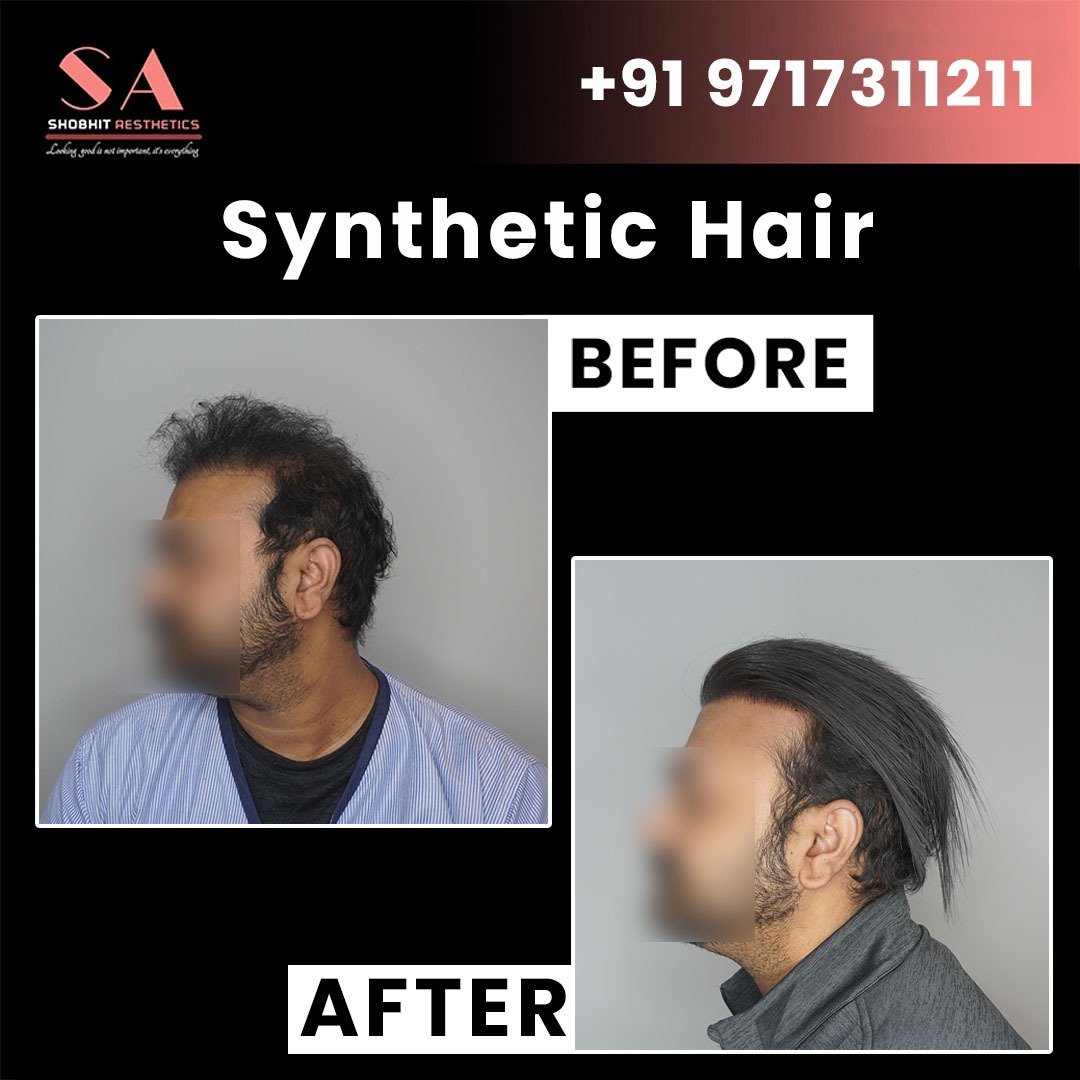
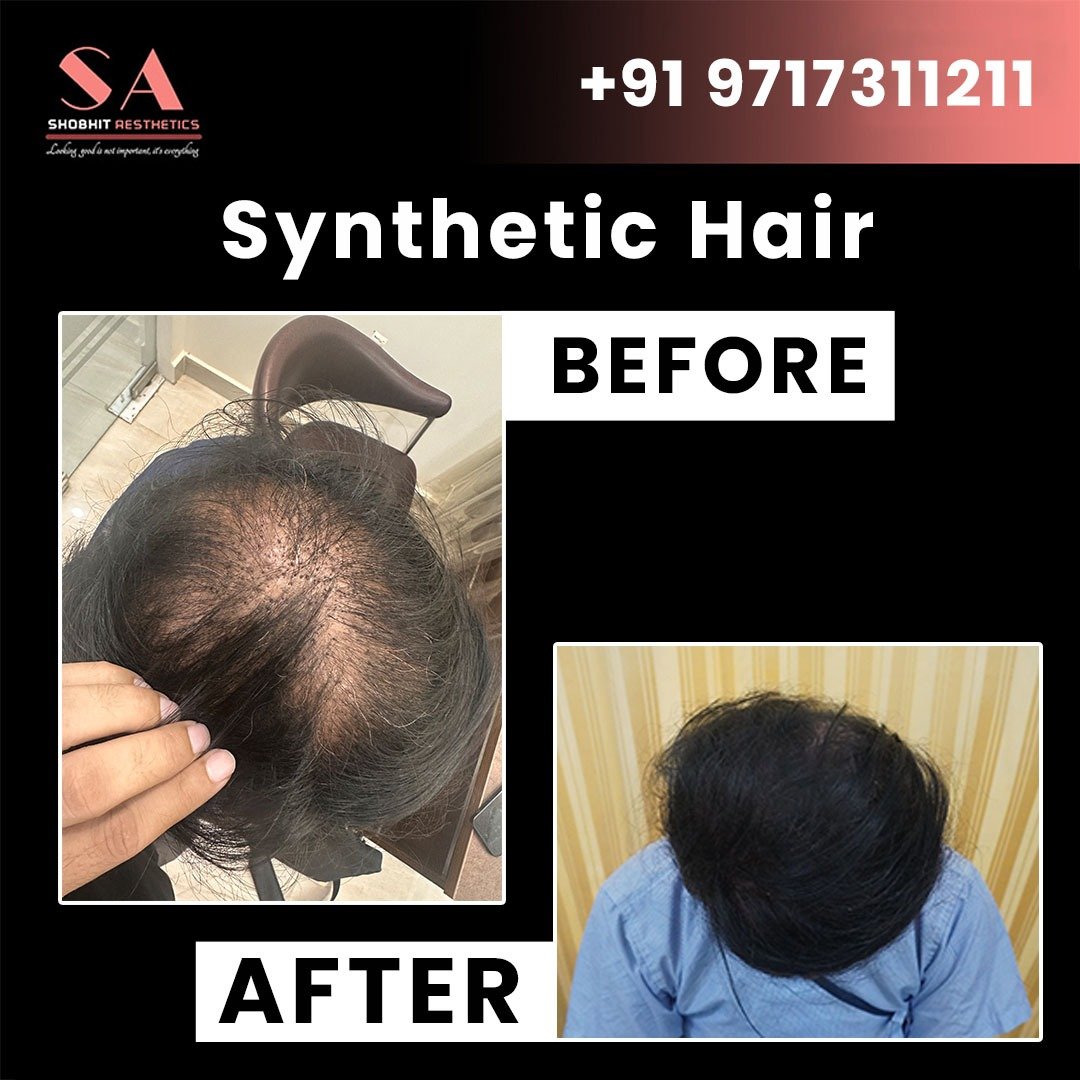
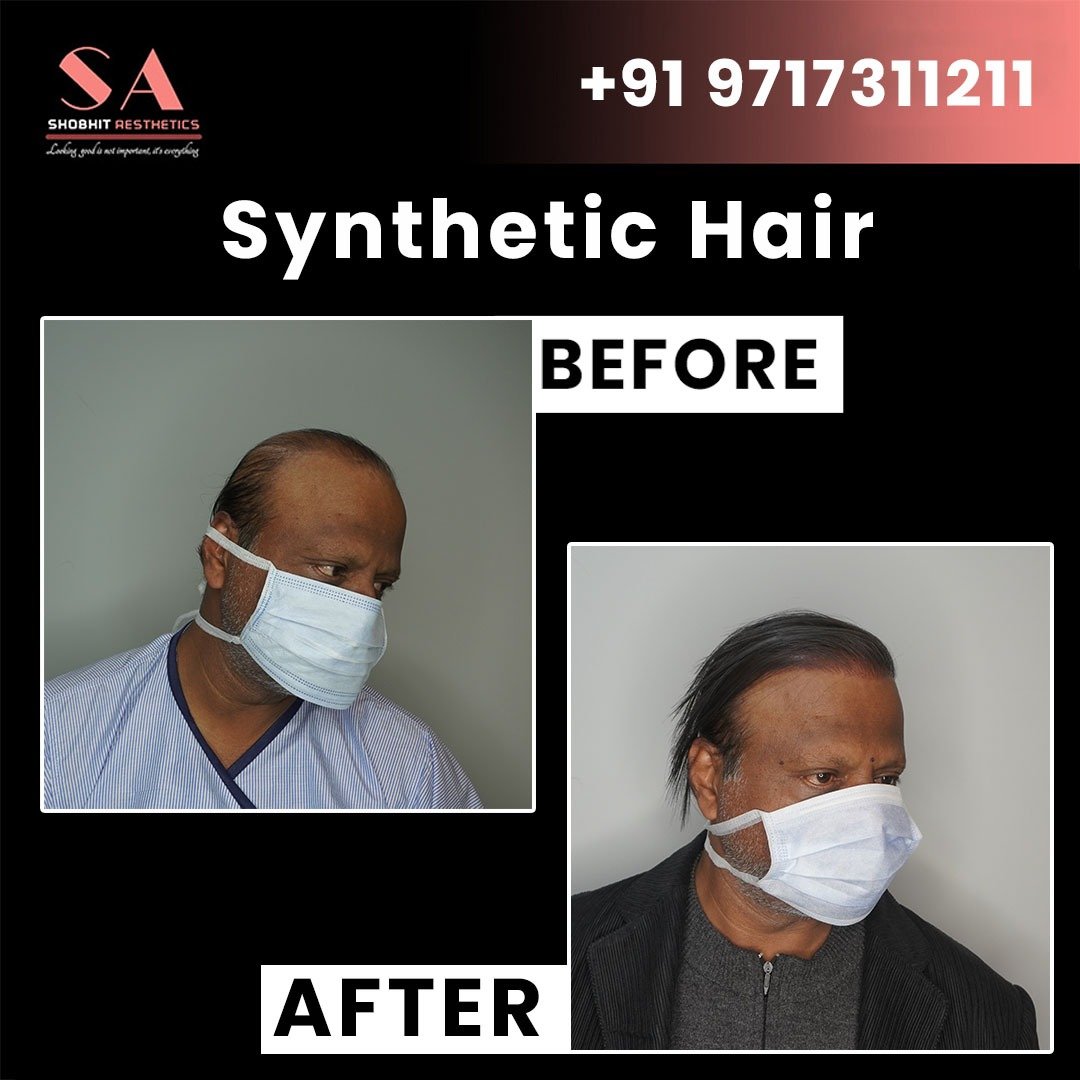
Hair loss and baldness have become common concerns affecting both men and women across different age groups. While conventional hair transplant procedures offer permanent and natural-looking results, many individuals are not considered suitable candidates because of limited donor hair availability. This is where Synthetic Hair Transplant emerges as an advanced and effective alternative for individuals seeking immediate hair density and cosmetic improvement without depending completely on natural donor follicles.
Synthetic Hair Transplant, also known as Biofibre Hair Implant, is a modern hair restoration procedure that uses specially designed artificial hair fibers implanted directly into bald or thinning areas of the scalp. The treatment is especially beneficial for individuals experiencing severe baldness, insufficient donor hair, previous unsuccessful hair transplant procedures, or those who simply want faster visible results. Unlike traditional hair transplant methods that may take several months to show noticeable growth, synthetic hair implantation offers an instant improvement in hair density and overall appearance.
The procedure is minimally invasive, quick, and designed to provide natural-looking aesthetic enhancement within a short period. With advancements in technology and improved fiber quality, Synthetic Hair Transplant has become a preferred solution for many patients looking for temporary or supportive hair restoration options. Proper consultation, scalp evaluation, and professional guidance are essential to achieve safe and satisfactory outcomes from the treatment.
What is a Synthetic Hair Transplant?
Synthetic Hair Transplant is an advanced hair restoration procedure in which specially designed artificial hair fibers are implanted into bald or thinning areas of the scalp to create the appearance of fuller and denser hair. This procedure is also commonly known as Biofibre Hair Implant because the implanted fibers are manufactured using biocompatible synthetic materials that are designed to resemble natural human hair in texture, thickness, and appearance.
Unlike traditional hair transplant procedures that use natural hair follicles extracted from the donor area, Synthetic Hair Transplant does not require donor hair from the patient’s scalp. This makes the treatment an ideal option for individuals with severe baldness, poor donor hair availability, or unsuccessful previous hair transplant surgeries. The artificial fibers are individually implanted into the scalp using a specialized implantation device under local anesthesia.
One of the major advantages of Synthetic Hair Transplant is that it provides immediate cosmetic enhancement and visible hair density right after the procedure. Patients do not need to wait several months for hair growth as required in natural hair transplant techniques. The procedure is generally quick, minimally invasive, and performed in multiple sessions depending on the desired density and scalp condition.
However, proper scalp evaluation, patch testing, and expert surgical supervision are extremely important before undergoing the procedure to ensure patient safety, compatibility, and better long-term outcomes.
Each synthetic hair strand is made from a biocompatible polymer material designed to mimic the appearance, texture, and flexibility of natural human hair. The strands are anchored into the scalp using a looped knot system, embedded one by one through a specialist implanter device. Results are visible immediately — on the same day as the procedure.
Key fact: Synthetic hair transplant (biofibre implant) is currently the only hair restoration technique that delivers instant density to patients with no viable donor area. While conventional FUE and FUT surgery requires a sufficient supply of the patient's own DHT-resistant follicles, biofibre implant is completely independent of donor availability — making it an option for patients who would otherwise have no surgical hair restoration pathway at all.
Ideal Candidate for Synthetic Hair Transplant
Healthy Individuals
A person with overall good physical health is considered an ideal candidate for Synthetic Hair Transplant. Healthy individuals generally experience smoother recovery and lower chances of complications after the procedure. A proper medical evaluation is always necessary before surgery.
Individuals Ready to Avoid Smoking and Alcohol
Candidates willing to quit smoking and alcohol consumption for a few weeks before and after the treatment are better suited for the procedure. Smoking and alcohol can negatively affect scalp healing and increase the risk of complications or poor treatment outcomes.
Patients with Limited Donor Hair
Synthetic Hair Transplant is highly beneficial for individuals who do not have sufficient donor hair for a traditional hair transplant. Patients with severe baldness or weak donor areas often choose this procedure to achieve improved hair density.
People Looking for Instant Results
Unlike natural hair transplant procedures that require months for visible growth, Synthetic Hair Transplant provides immediate cosmetic enhancement. Individuals seeking quick hair density and faster aesthetic improvement are ideal candidates for this treatment.
Individuals with Extensive Baldness
Patients who are completely bald or have very thin hair on the scalp may benefit from synthetic hair implantation. The procedure helps improve scalp coverage and creates the appearance of fuller hair.
People Without Sensitive Scalp Conditions
Individuals who do not have highly sensitive skin or severe scalp allergies are considered suitable candidates. A patch test is generally performed before the procedure to check compatibility with synthetic fibers.
Patients Unsatisfied with Previous Hair Transplants
People who did not achieve desired density or satisfactory outcomes from earlier hair transplant surgeries may consider Synthetic Hair Transplant as an additional corrective option.
Individuals Not Taking Blood-Thinning Medications
Candidates who are not on blood-thinning medicines are usually preferred for the procedure, as such medications may increase bleeding risks during implantation. Proper medical consultation is important before surgery.
Understanding Why Synthetic Hair Transplant Exists: The Donor Limitation Problem
To understand why synthetic hair transplant was developed, it is important to first understand the fundamental limitation of all natural hair transplant techniques.
The donor dependency of conventional hair transplant
Both FUE and FUT hair transplant surgery are built on the same biological principle: donor dominance. Hair follicles harvested from the permanent zone at the back and sides of the scalp are genetically resistant to dihydrotestosterone (DHT) — the hormone responsible for androgenetic alopecia. When transplanted to a thinning area, these follicles retain their resistance and grow permanently.
However, this creates an absolute dependency on the patient having sufficient healthy, DHT-resistant follicles in their donor zone. For millions of patients globally, this supply is inadequate:
- Patients with Norwood Stage VI–VII hair loss may have a narrow, depleted donor zone insufficient to cover the bald area
- Patients with diffuse unpatterned alopecia (DUPA) experience thinning across the entire scalp — including the donor zone
- Patients who have already undergone one or more hair transplant sessions may have an exhausted donor supply
- Some patients have naturally low follicular density in the donor zone regardless of the extent of visible hair loss
- Patients with certain scarring alopecia conditions may have no viable donor follicles at all
For these patients, conventional hair transplant is not viable. Synthetic hair transplant was developed specifically to serve this group — providing a path to hair density where no natural surgical option exists.
What Are Biofibre Synthetic Hair Strands Made Of?
The quality, safety, and longevity of a synthetic hair transplant depend entirely on the biocompatibility and engineering of the artificial fibres used. Not all synthetic hair products are equivalent — the clinical grade of the fibre is a critical selection criterion.
Composition and design
Clinically approved synthetic hair fibres used in biofibre hair implant procedures are manufactured from biocompatible polyamide polymers — materials specifically engineered for long-term contact with human tissue. These fibres are:
- Non-toxic and hypoallergenic — designed to minimise immune response and allergic reaction
- Photostable — resistant to colour change from UV exposure
- Mechanically resilient — flexible and durable, designed to resist breakage under normal grooming and styling forces
- Available in a range of colours and textures — matched to the patient's natural hair colour, diameter, and curl pattern at the time of implantation
The anchor knot system
Each synthetic hair strand features a small loop or knot at its base. When implanted, this knot is positioned below the scalp surface, anchoring the fibre within the dermis. The scalp tissue naturally closes around the implantation site, holding the strand in place. This anchoring mechanism is what distinguishes clinically approved biofibre implants from earlier, less stable synthetic hair systems.
CE approval and regulatory status
Biofibre synthetic hair systems that have received CE marking (Conformité Européenne) have been assessed for biocompatibility, safety, and manufacturing quality standards in accordance with European medical device regulations. CE-approved biofibre is the clinical standard for this procedure and patients should verify that their provider uses only CE-certified fibre materials.
Important: The safety profile of synthetic hair transplant is directly linked to the quality of the fibres used and the experience of the implanting surgeon. Procedures performed with non-certified or low-grade materials carry a significantly elevated risk of infection, allergic reaction, and fibre rejection. At Shobhit Aesthetics, only CE-approved biofibre materials are used in synthetic hair implant procedures.
Synthetic Hair Transplant vs Natural Hair Transplant: A Complete Comparison
Understanding where synthetic hair transplant sits relative to conventional surgical options helps patients make an informed, appropriate decision for their specific situation.
| Feature | Synthetic Hair Transplant (Biofibre) | FUE Hair Transplant | FUT Hair Transplant |
|---|---|---|---|
| Donor hair required | No | Yes — essential | Yes — essential |
| Suitable for no/low donor | ✅ Yes — primary indication | ❌ No | ❌ No |
| Results timeline | Immediate — same day | 12–18 months for full result | 12–18 months for full result |
| Permanence of results | Not permanent — maintenance required | Permanent | Permanent |
| Scarring | None | Tiny dot scars in donor area | Linear donor scar |
| Sessions required | Multiple (top-up sessions needed) | Usually 1–2 | Usually 1 |
| Patch test required | Yes — mandatory | No | No |
| Maximum strands per session | 500–700 strands | 1,500–3,000+ grafts | 2,000–4,000+ grafts |
| Hair growth biology | N/A — no living follicle involved | Natural follicle growth cycle | Natural follicle growth cycle |
| Long-term maintenance | Required — ongoing top-ups | Minimal (medical maintenance) | Minimal (medical maintenance) |
| Risk of allergic reaction | Present — patch test mitigates | Absent (own tissue) | Absent (own tissue) |
| Cost structure | Per strand / per session | Per graft (single investment) | Per graft (single investment) |
Key takeaway
Synthetic hair transplant and natural hair transplant are not competing alternatives for the same patient — they serve fundamentally different clinical situations. Natural hair transplant is the gold standard for patients with sufficient donor hair. Synthetic hair transplant is the solution for those who do not qualify for natural transplant methods — and for those who prioritise instant results above long-term permanence.
Biofibre Hair Implant: The Patch Test — Why It Is Non-Negotiable
One of the most important distinguishing features of synthetic hair transplant versus all other hair restoration procedures is the mandatory patch test — a critical pre-operative safety step that is non-negotiable before proceeding to full implantation.
What the patch test involves
Before any full synthetic hair transplant session, the surgeon implants a small test group of approximately 50–100 synthetic fibres into an inconspicuous area of the scalp. The patient is then monitored over a period of at least 7 days — sometimes up to 4 weeks — during which the body's response to the synthetic material is carefully assessed.
What the patch test evaluates
- Allergic response: Whether the patient's immune system mounts a hypersensitivity reaction to the biofibre material
- Foreign body response: Whether the scalp tissue shows signs of rejecting the implanted fibres
- Infection susceptibility: Whether the implantation sites heal cleanly without signs of bacterial or fungal infection
- Scalp tolerance: Whether the patient's individual skin type and scalp microbiome are compatible with ongoing fibre retention
What happens if the patch test fails
If a patient shows adverse reactions during the patch test — including persistent redness, swelling, folliculitis, or signs of rejection — the full procedure is contraindicated and should not proceed. The surgeon should discuss alternative options at this point.
Only patients who complete the patch test without adverse response are cleared for full synthetic hair implantation.
Who Benefits Most from Synthetic Hair Transplant?
While any suitable adult candidate may elect to undergo synthetic hair implant, the technique delivers the most significant clinical benefit in specific patient groups where conventional transplant is not viable.
Primary beneficiaries:
Patients with exhausted or insufficient donor supply:
- Those with advanced Norwood VI–VII hair loss where donor density cannot cover the bald area
- Patients who have undergone previous transplant sessions and have depleted their donor reserve
- Individuals with diffuse unpatterned alopecia (DUPA) affecting the entire scalp
Patients who cannot undergo natural hair transplant:
- Those with scarring alopecia conditions where follicular viability in the donor zone is compromised
- Patients with certain autoimmune hair loss conditions who are not candidates for follicular transplant
Patients prioritising immediate results:
- Those who require rapid aesthetic improvement for professional, personal, or social reasons
- Patients who cannot commit to the 12–18-month growth timeline of natural hair transplant methods
Patients supplementing previous transplant results:
- Those who underwent natural hair transplant but require additional density in areas where graft coverage was insufficient
- Patients who want to enhance density between natural transplant sessions
Patients dissatisfied with previous procedures:
- Those seeking to improve the aesthetic outcome of earlier hair restoration with immediate supplementary density
Who should not undergo synthetic hair transplant:
- Patients with sensitive skin or a known history of allergy to synthetic materials
- Those with active scalp infections, inflammatory scalp conditions, or uncontrolled seborrheic dermatitis
- Patients with autoimmune conditions that may increase rejection risk
- Those currently on blood-thinning medications that cannot be safely paused
- Patients with unrealistic expectations — particularly those expecting permanent, zero-maintenance results equivalent to natural hair transplant
- Anyone who has not completed the mandatory patch test with a clear result
Synthetic Hair Transplant Results: Realistic Expectations
Setting accurate expectations before undergoing synthetic hair transplant is essential to patient satisfaction. This technique has both remarkable advantages and important limitations that every candidate must understand clearly.
What synthetic hair transplant achieves:
- Immediate density: Visible hair coverage on the same day as implantation — no waiting period
- Significant aesthetic improvement: Bald or severely thinning areas transformed within hours
- Customisable appearance: Fibre colour, length, and texture matched to the patient's natural hair
- Flexible coverage: Can be performed in specific zones, blended with existing hair, or combined with natural transplant results
- No donor zone impact: No harvesting from any area of the scalp — no scarring, no thinning of donor region
- Reversible: The procedure can be stopped at any point, and implanted fibres can be removed if needed
What synthetic hair transplant does not achieve:
- Permanence: Synthetic fibres are not living tissue — they do not grow, and they gradually shed over time through normal scalp activity and grooming. Top-up sessions are required every 8–12 months to maintain density
- The biological behaviour of natural hair: Transplanted fibres do not go through a growth cycle — they remain static at their implanted length
- Complete freedom from maintenance: Unlike natural hair transplant results, synthetic implants require ongoing clinic maintenance to replace shed fibres and monitor scalp health
- Guaranteed allergy-free outcomes: Even with CE-approved materials and a clear patch test, a small proportion of patients may develop delayed reactions that require partial or full removal
Result longevity: What affects fibre retention?
| Factor | Effect on Fibre Retention |
|---|---|
| Scalp sebum production | High sebum production accelerates fibre loosening |
| Grooming habits | Aggressive brushing or combing increases shedding rate |
| Scalp condition management | Controlled seborrheic dermatitis improves retention |
| Compliance with aftercare | Strict protocol adherence significantly improves longevity |
| Individual scalp biology | Skin type and immune response vary between patients |
| Session frequency for top-ups | Regular 8–12 month top-ups maintain consistent density |
The Synthetic Hair Transplant Procedure: Stage by Stage
Stage 1: Medical history review and scalp assessment
The surgeon conducts a comprehensive review of the patient's medical history, current medications, scalp condition, and hair loss history. The cause and pattern of hair loss are assessed, and the patient's candidacy for synthetic hair implant versus alternative treatments is evaluated honestly.
Stage 2: Fibre selection and customisation
The surgical team selects synthetic fibres matched to the patient's natural hair colour, diameter, and texture. For patients with existing hair, fibres are matched to achieve a seamless visual blend. Length is customised based on the patient's preferred style.
Stage 3: Mandatory patch test
Approximately 50–100 fibres are implanted in a test zone and the patient is monitored for a minimum of 7 days. The patch test must show a clear result before full implantation proceeds.
Stage 4: Scalp preparation and anaesthesia
On the day of the full procedure, local anaesthesia is administered to the treatment area. The scalp is cleaned and prepared with antiseptic. The implantation zones are mapped and marked.
Stage 5: Fibre implantation
Using a specialist automatic implanter device, the surgeon inserts individual synthetic hair strands one by one into the scalp. Each strand is placed at a specific angle and depth to replicate natural hair direction and growth angle. The implanter device simultaneously creates the channel and places the fibre in a single motion, minimising tissue trauma.
A trained surgeon can implant approximately 500–700 fibres per session. For patients requiring higher density across a larger area, multiple sessions may be scheduled.
Stage 6: Post-implantation scalp care
The scalp is cleaned with an antiseptic solution after implantation. The surgeon checks the distribution and appearance of the implanted fibres, assessing density and aesthetic balance. Antibiotics are prescribed to minimise infection risk in the immediate post-operative period.
Total procedure time: Approximately 1 hour per 500–700 fibres implanted.
Post-Procedure Recovery and Aftercare: A Complete Guide
One of the most frequently cited advantages of synthetic hair transplant is its minimal downtime — patients can typically resume normal daily activities on the same day or the following day. However, the aftercare protocol is more ongoing than that of natural hair transplant, and strict adherence is critical to both scalp health and fibre retention.
Immediate post-procedure (Days 1–7):
- Mild scalp tenderness, redness, or minor swelling at implantation sites is common and resolves within 3–5 days
- Take all prescribed antibiotics and anti-inflammatory medications on schedule
- Avoid touching, scratching, or rubbing the implanted area
- Sleep with the head elevated for the first 2–3 nights to minimise swelling
- Avoid swimming pools, saunas, steam rooms, and any submerged water contact for at least 2 weeks
- Do not apply any hair styling products, chemical treatments, or colour to the treated area
Weeks 2–4: Establishing scalp health
- Begin daily washing of the scalp using an anti-dandruff, sulphate-free shampoo as directed — essential for controlling sebum production that can loosen fibre anchoring
- Daily washing for the first 2 weeks is typically recommended to keep implantation sites clean and free of sebum accumulation
- Avoid heat styling tools including blow dryers, hair irons, and curling tongs near implanted fibres
- Attend the scheduled post-operative review appointment for scalp assessment and fibre integrity check
Ongoing maintenance (Monthly and beyond):
- Attend regular clinic visits every 2–3 months for scalp health monitoring
- Schedule top-up implantation sessions every 8–12 months to replace naturally shed fibres and maintain consistent density
- Continue using anti-sebum, anti-dandruff shampoo as part of a permanent haircare routine
- Avoid aggressive brushing or combing — use a wide-tooth comb with gentle technique
- Protect the scalp from prolonged direct sun exposure — UV radiation can degrade fibre colour and material integrity over time
Permanent lifestyle adjustments for synthetic hair patients:
Unlike natural hair transplant patients who return largely to normal hair care after recovery, synthetic hair implant patients commit to a permanent modified hair care and maintenance routine to support fibre longevity and scalp health. This is an important factor to discuss and accept before undergoing the procedure.
Long-Term Management: Keeping Your Synthetic Hair Implant Healthy
The long-term success of a synthetic hair transplant depends as much on ongoing management as on the initial procedure. Patients who achieve the best results are those who treat their scalp maintenance as a consistent, lifelong commitment.
Sebum management — the most critical ongoing factor
Synthetic hair fibres interact with scalp sebum — the natural oil produced by sebaceous glands. Sebum accumulation around the fibre anchor points can contribute to:
- Loosening of the anchor knot and accelerated fibre shedding
- Bacterial colonisation leading to folliculitis or infection
- Scalp inflammation and itching
Daily washing with a medically appropriate anti-dandruff shampoo is the primary tool for sebum control. Surgeons may also recommend periodic professional scalp treatments to maintain implantation site health.
Monitoring for complications
Patients should monitor their scalp regularly and consult their surgeon promptly if they notice:
- Clusters of implantation sites showing redness, swelling, or discharge (signs of folliculitis or infection)
- Accelerated or patchy fibre loss
- Persistent itching or burning sensation
- Any signs of allergic reaction, including hives or dermatitis around implanted areas
Combining synthetic implant with medical hair loss treatments
For patients who retain some native hair alongside their synthetic implants, ongoing medical management of hair loss is recommended to preserve the natural hair they have. Minoxidil and — in male patients — finasteride are the evidence-based pharmacological options for slowing androgenetic progression. PRP therapy can also support native follicle health in areas adjacent to the implanted zone.
Synthetic Hair Transplant Cost: What Determines the Price
Unlike natural hair transplant surgery which is typically priced per graft as a one-time investment, synthetic hair transplant has a different cost structure — involving an initial implantation cost and ongoing top-up session costs.
Factors that affect synthetic hair transplant cost:
| Cost Factor | Explanation |
|---|---|
| Number of fibres implanted per session | The primary cost variable — more fibres = higher session cost |
| Number of sessions required | Determined by the total area to be covered |
| Clinic location and facility standard | Accredited facilities in major cities carry higher costs |
| Surgeon's experience and specialisation | Specialist surgeons with high biofibre case volume charge more |
| Quality of biofibre used | CE-approved clinical grade fibres cost more than non-certified materials |
| Ongoing top-up session frequency | 8–12 monthly maintenance adds to lifetime cost |
| Patch test and pre-operative assessment fees | Typically included in a complete package |
Indicative cost range (India):
Synthetic hair transplant in India is typically priced per strand — with rates generally ranging from approximately ₹80 to ₹150 per strand depending on the factors above. A session of 500 fibres therefore ranges from approximately ₹40,000 to ₹75,000 per session.
The total lifetime investment in synthetic hair transplant is higher than a single natural hair transplant session when ongoing top-up costs are factored over 5–10 years — an important consideration patients should discuss with their surgeon at consultation.
Shobhit Aesthetics provides fully transparent pricing for synthetic hair transplant procedures — with a complete cost breakdown covering patch test, initial implantation, and top-up session costs — so patients can make a fully informed financial decision before committing to treatment.
Choosing the Right Provider for Synthetic Hair Transplant
Synthetic hair transplant is a niche procedure with a smaller pool of suitably experienced providers than conventional hair transplant surgery. Choosing the wrong provider — or one using substandard materials — carries disproportionate risk.
What to verify before proceeding:
- Surgeon's specific, verifiable experience with biofibre hair implant — not just general hair transplant surgery
- Confirmation that CE-approved biofibre materials are used exclusively
- A clear, strictly observed patch test protocol — any clinic that offers to skip this step should be avoided
- Before-and-after portfolio showing previous synthetic hair transplant patients
- Transparent discussion of both benefits and limitations — particularly the ongoing maintenance requirement and non-permanence
- A complete cost breakdown covering initial and ongoing session costs
- A clear protocol for managing adverse reactions, infections, or suboptimal outcomes
Red flags to avoid:
- Providers offering synthetic hair transplant without a mandatory patch test
- Unusually low per-strand pricing that may indicate non-certified fibre materials
- Absence of a before-and-after portfolio for this specific procedure
- Failure to disclose the ongoing maintenance and top-up session requirement
- High-pressure booking tactics or time-limited pricing offers
Duration of Synthetic Hair Transplant
Procedure Time Depends on the Number of Fibers
-
The duration of a Synthetic Hair Transplant mainly depends on the number of synthetic hair fibers required to achieve the desired hair density.
-
Patients with larger bald areas may require multiple sessions for complete scalp coverage and balanced results.
Average Implantation Time
-
On average, the procedure takes approximately 1 hour to implant around 500–700 synthetic hair strands in a single session.
-
The speed of implantation may vary according to the patient’s scalp condition and treatment goals.
Scalp Condition Plays an Important Role
-
The texture and softness of the scalp significantly influence the duration and ease of the procedure.
-
Patients with softer scalp tissue may allow implantation of more than 700 fibers during one session comfortably.
Performed Under Local Anesthesia
-
The procedure is generally performed under local anesthesia to ensure patient comfort during treatment.
-
Since the patient remains awake throughout the procedure, the surgery is considered minimally invasive and relatively comfortable.
Multiple Sessions May Be Required
-
In cases of severe baldness or when higher density is desired, additional sessions may be recommended by the surgeon.
-
Multiple sessions help maintain balanced density and a more natural aesthetic appearance.
Quick and Convenient Procedure
-
Synthetic Hair Transplant is considered a comparatively quick hair restoration technique.
-
Most patients can return home on the same day and resume light activities shortly after the procedure.
After Synthetic Hair Transplant Surgery
Regular Scalp Cleaning is Necessary
-
After the procedure, patients are advised to visit the clinic for scalp cleaning as synthetic fibers may produce sebum buildup over time.
-
Maintaining scalp hygiene helps reduce the risk of infection and supports better scalp health.
Use Recommended Shampoo
-
Anti-dandruff or medicated shampoos are often recommended after surgery to control oil buildup and maintain cleanliness around implanted fibers.
-
Patients should only use shampoos approved by the surgeon for safe recovery.
Daily Hair Washing is Important
-
Patients are generally advised to wash their hair daily for at least two weeks after the procedure.
-
Gentle washing helps keep the scalp clean and minimizes the chances of irritation or inflammation.
Follow Medication Instructions Properly
-
Prescribed antibiotics, painkillers, or other medications should be taken exactly as instructed by the surgeon.
-
Medications help prevent infections and support smoother healing after surgery.
Avoid Swimming and Excess Moisture
-
Swimming pools should be avoided during the recovery phase because chlorine and contaminated water may irritate the scalp.
-
Excessive sweating and prolonged moisture exposure should also be minimized initially.
Avoid Heat Styling Tools
-
Blow dryers, hair irons, and other heating or styling tools should not be used after surgery.
-
Excessive heat may damage implanted synthetic fibers and irritate the healing scalp.
Follow Surgeon’s Instructions Carefully
-
Strictly following post-surgery guidelines provided by the surgeon is essential for safe recovery and long-term maintenance of synthetic fibers.
-
Regular follow-up visits help monitor scalp condition and treatment progress effectively.
Cost of Synthetic Hair Transplant Surgery
Cost Depends on the Number of Fibers
-
The overall cost of Synthetic Hair Transplant surgery mainly depends on the number of synthetic strands implanted during the procedure.
-
Patients requiring higher density or larger scalp coverage may experience increased treatment costs.
Average Cost Per Strand
-
Synthetic Hair Transplant cost generally ranges between Rs.80 to Rs.150 per strand depending on the clinic, surgeon expertise, and quality of synthetic fibers used.
-
The final pricing varies according to individual treatment requirements.
Surgeon’s Expertise Affects Pricing
-
Experienced and qualified surgeons may charge higher fees due to their advanced skills, successful results, and precision in implantation techniques.
-
Choosing an experienced surgeon significantly improves treatment safety and aesthetic outcomes.
Clinic Location Matters
-
The geographical location and reputation of the clinic also influence the overall procedure cost.
-
Premium clinics with advanced facilities and modern equipment may have comparatively higher pricing structures.
Technology and Technique Used
-
Advanced implantation devices and improved synthetic fiber technology can affect the total treatment expense.
-
Modern techniques help improve safety, comfort, and overall cosmetic appearance after surgery.
Affordable Hair Restoration Option
-
Compared to many advanced cosmetic procedures, Synthetic Hair Transplant is considered a relatively affordable option for immediate hair density enhancement.
-
It is especially beneficial for patients with limited donor hair who are unsuitable for traditional hair transplants.
Consultation is Important for Exact Pricing
-
Every patient has different scalp conditions and density requirements, making personalized consultation essential for accurate cost estimation.
-
Detailed evaluation helps determine the number of fibers required and the overall treatment plan.
Side-effects of Synthetic Hair Transplant – Biofibre Hair Implant
Mild Bleeding and Pain
-
Some patients may experience mild bleeding, tenderness, or discomfort immediately after the procedure.
-
These symptoms are usually temporary and can be managed with prescribed medications.
Risk of Infection
-
Infection is one of the possible side effects if scalp hygiene is not maintained properly after surgery.
-
Following post-operative care instructions carefully helps minimize infection risks significantly.
Scalp Swelling and Redness
-
Mild swelling, redness, or irritation around implanted areas may occur for a few days after treatment.
-
These effects generally subside gradually with proper care and medications.
Folliculitis and Inflammation
-
Some individuals may develop folliculitis, which refers to inflammation around the implanted fibers.
-
Early medical attention and regular scalp cleaning can help control such complications effectively.
Allergic Reactions
-
Certain patients may experience allergic or sensitivity reactions to synthetic fibers despite patch testing.
-
This is why pre-treatment compatibility testing is extremely important before implantation.
Possibility of Scarring
-
Improper implantation techniques or poor healing may occasionally result in minor scalp scarring.
-
Choosing a qualified and experienced surgeon helps reduce such risks considerably.
Unsatisfactory Cosmetic Results
-
Some patients may not achieve the exact density or appearance they initially expected.
-
Proper consultation and realistic expectations are important before undergoing the procedure.
Importance of Choosing an Experienced Surgeon
-
Most long-term complications can be minimized by selecting a board-certified and experienced hair restoration specialist.
-
Professional expertise ensures safer implantation, better scalp management, and improved aesthetic outcomes.
Benefits of Synthetic Hair Transplant – Biofibre Hair Implant
Quick and Simple Procedure
-
Synthetic Hair Transplant is considered a fast and minimally invasive hair restoration method.
-
The procedure is generally completed within a few hours depending on the required density.
Instant Visible Results
-
One of the biggest advantages of this procedure is immediate cosmetic improvement after surgery.
-
Patients can notice enhanced hair density and improved appearance right after treatment.
Suitable for Limited Donor Area
-
This treatment is an excellent option for individuals who do not have sufficient donor hair for traditional hair transplant procedures.
-
Patients with severe baldness can also benefit from this technique.
High Hair Density in Less Time
-
Synthetic fibers allow surgeons to achieve higher hair density quickly compared to natural hair growth procedures.
-
This makes the treatment appealing for individuals seeking rapid transformation.
Minimal Downtime
-
Patients can usually return to daily activities within a short period after the procedure.
-
The recovery period is generally shorter compared to many conventional surgical treatments.
Affordable Hair Restoration Solution
-
Synthetic Hair Transplant is considered a comparatively cost-effective option for cosmetic hair enhancement.
-
The treatment provides immediate aesthetic improvement without waiting months for hair growth.
Can Be Combined with Other Treatments
-
The procedure may also be combined with other hair restoration techniques for improved scalp coverage and balanced density.
-
Combination treatments are planned according to the patient’s hair condition and expectations.
Improves Confidence and Appearance
-
Enhanced hair density often helps patients regain confidence and feel better about their overall appearance.
-
The treatment offers a quick cosmetic solution for individuals struggling with severe hair loss or baldness.