Rhinoplasty in Jaipur – Reshape Your Nose, Redefine Your Confidence at Shobhit Aesthetics
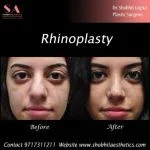
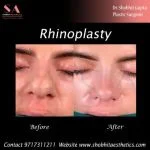

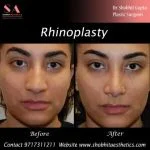
The nose sits at the very centre of the face, and because of that, even a subtle change to its shape, size, or proportion can have a profound and disproportionate impact on overall facial harmony. Whether you are unhappy with a prominent dorsal hump, a wide or bulbous tip, an asymmetrical bridge, or breathing difficulties caused by a deviated septum, you are not alone in your concern. Nose reshaping surgery is one of the most technically demanding and artistically nuanced procedures in all of cosmetic surgery, and rhinoplasty in Jaipur at Shobhit Aesthetics is performed with the precision, care, and aesthetic sensitivity it demands. Our clinic serves patients from across Rajasthan and beyond, delivering natural-looking, balanced, and lasting nasal refinement that complements each patient's unique facial features. This comprehensive guide covers everything you need to know, from causes and candidacy to procedure, recovery, and cost.
What Is Rhinoplasty?
What is rhinoplasty? In simple terms, it is a surgical procedure that reshapes, resizes, or reconstructs the nose to improve its aesthetic appearance, its functional performance, or both simultaneously. Derived from the Greek words "rhinos" (nose) and "plasty" (to shape), the procedure involves carefully modifying the bone, cartilage, and soft tissue structures of the nose to achieve the desired change in form or function.
Rhinoplasty surgery can address a wide range of concerns, including:
- Reducing or refining a dorsal hump (the bump along the nasal bridge)
- Narrowing a wide or flared nasal bridge
- Reshaping a bulbous, drooping, or upturned nasal tip
- Correcting asymmetry between the two sides of the nose
- Straightening a crooked or deviated nasal bridge
- Reducing overall nasal size to better suit facial proportions
- Correcting a deviated septum that is causing nasal obstruction and breathing difficulty
- Reconstructing the nose following trauma or injury
- Refining results from a previous unsatisfactory nasal surgery (revision rhinoplasty)
Because the nose is the defining central feature of the face, the surgeon must approach every case with both surgical precision and a refined aesthetic eye — ensuring that the result enhances overall facial balance rather than simply changing the nose in isolation.
What Causes Nasal Aesthetic Concerns?
Understanding why nasal concerns develop helps contextualise the surgical solution and sets realistic expectations for outcomes:
- Genetics and Ethnicity — The shape, size, and structure of the nose are largely inherited. Many patients seek surgical refinement of hereditary features — such as a prominent nasal hump, a wide base, or a thick, rounded tip — that have been present since adolescence and cause long-standing self-consciousness.
- Trauma and Injury — Nasal fractures from sports injuries, accidents, or physical trauma can result in a crooked bridge, asymmetry, or both cosmetic and functional changes that persist without surgical correction.
- Developmental Causes — The nasal structures develop fully by the mid-to-late teenage years. In some individuals, uneven cartilage growth, a naturally deviated septum, or disproportionate nasal development relative to the rest of the face creates concerns that become more defined with time.
- Previous Surgery — Patients who have had prior nasal surgery — whether cosmetic or functional — may develop issues with over-resection of cartilage, asymmetry, scar contracture, or breathing compromise that requires revision surgery to correct.
- Ageing — The nose continues to change subtly with age. The tip can descend and droop as the cartilage loses support, the skin thickens, and the natural ligamentous support weakens — creating changes that were not present in youth.
Each of these causes requires a slightly different surgical approach, which is why thorough preoperative evaluation and planning are absolutely fundamental to a successful nasal surgery outcome.
Diagnosis and Candidacy Assessment
At Shobhit Aesthetics, every patient exploring nasal surgery begins with a detailed consultation that combines clinical assessment with open, honest dialogue about goals and expectations.
An ideal candidate for surgical nasal refinement is typically someone who:
- Has fully developed nasal structures — generally aged 18 or above for women and slightly older for men, whose facial growth is complete
- Is in good general health, with no uncontrolled systemic conditions
- Is a non-smoker or is genuinely committed to quitting well before and after surgery
- Has specific, clearly identified aesthetic or functional concerns they wish to address
- Holds realistic expectations — understanding that the goal is improvement and enhanced facial harmony, not perfection or replication of another person's nose
- Has not had nasal surgery within the past twelve months (for revision cases)
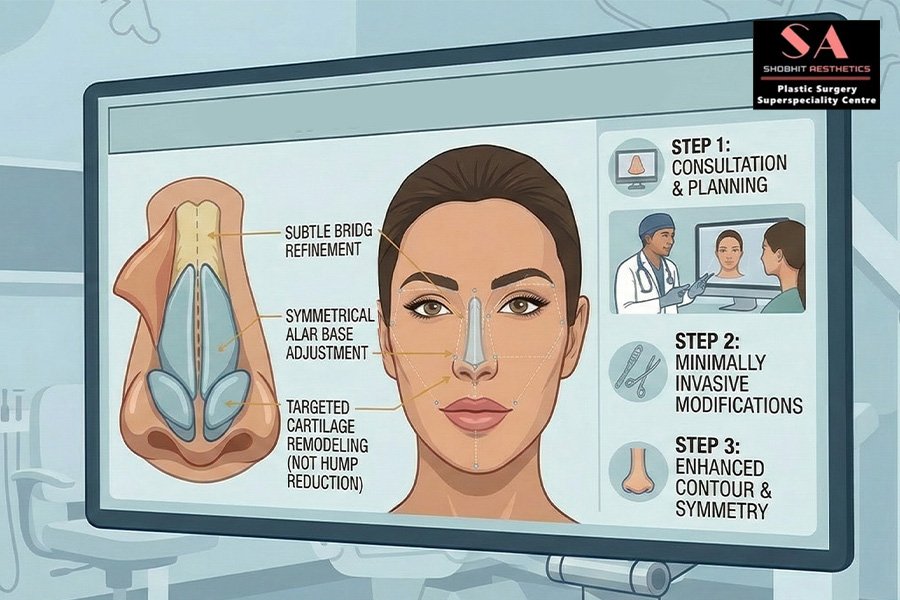
The consultation includes a detailed examination of the nasal structure externally and internally, facial proportion analysis, a discussion of your concerns and desired outcomes, a review of your medical history, and digital imaging to help visualise potential changes. For patients with functional breathing concerns, nasal airway assessment is incorporated into the evaluation.
Treatment Options at Shobhit Aesthetics
Open Rhinoplasty
The most commonly performed approach for complex or significant nasal reshaping. A small incision is made across the columella — the strip of tissue between the nostrils — in addition to incisions inside the nostrils, allowing the surgeon to fully visualise and directly access the underlying nasal structures. This approach offers the greatest degree of precision and control, particularly for significant tip work, asymmetry correction, or revision cases. The small columellar scar fades significantly and is rarely visible.
Closed Rhinoplasty
All incisions are placed entirely within the nostrils, leaving no external scars whatsoever. This approach is suitable for more limited modifications — such as isolated dorsal hump reduction or minor bridge refinements — where the degree of access needed is less extensive. Recovery tends to be slightly faster with the closed approach.
Functional Septorhinoplasty
When nasal surgery is performed to simultaneously address both aesthetic concerns and functional breathing problems caused by a deviated septum, it is termed septorhinoplasty. The functional component — straightening the septum to open the nasal airway — and the aesthetic component are addressed together in a single surgical session, delivering both improved breathing and a refined appearance.
Non Surgical Rhinoplasty
Non surgical rhinoplasty uses injectable dermal fillers — typically hyaluronic acid — to temporarily smooth out minor humps, lift a drooping tip, improve asymmetry, or add subtle definition to the nasal bridge. Results are immediate, require no downtime, and are reversible. However, this approach is limited to minor refinements and cannot reduce the size of the nose or address functional concerns. It is an excellent option for patients with small, specific concerns who are not ready for surgery, or as a preview of potential surgical changes. Our surgeon will advise honestly on whether a surgical or non-surgical approach is best suited to your specific goals.
Why Choose Shobhit Aesthetics – Premier Rhinoplasty Clinic in Jaipur
Nasal surgery is widely regarded as one of the most technically demanding procedures in cosmetic surgery — and choosing the right surgeon is the single most important decision a patient will make. Here is why Shobhit Aesthetics is the most trusted rhinoplasty clinic in Jaipur:
- Specialist Expertise — Our clinic is led by a highly experienced and skilled rhinoplasty doctor in Jaipur with a dedicated focus on facial cosmetic and reconstructive surgery. Nasal surgery requires a surgeon who understands the complex three-dimensional structure of the nose, the interplay between aesthetic change and functional impact, and the artistic restraint needed to achieve naturally beautiful results.
- Natural, Balanced Outcomes — Our surgical philosophy is rooted in enhancing facial harmony rather than imposing a generic nasal shape. Every surgical plan begins with a study of the patient's overall facial proportions — because the most successful nasal surgery is one where the result looks like it always belonged on that face.
- Nationally Recognised Standards — Patients who have researched the best rhinoplasty surgeon in india and sought high-calibre surgical expertise outside the major metro cities consistently find Shobhit Aesthetics in Jaipur to be a compelling destination for nasal surgery — offering skills and outcomes that stand confidently alongside the best practices in the country.
- Honest Patient Communication — We will tell you clearly what can and cannot be achieved with your anatomy. We use digital imaging to help you visualise potential changes, and we take the time to ensure every patient fully understands their surgical plan before proceeding.
- Genuine Patient Results — Reviewing real rhinoplasty before and after photographs from our own patients gives you the most honest, unfiltered picture of what our surgical outcomes look like across different nose types, ethnic backgrounds, and degrees of change. Our team will share these during your consultation.
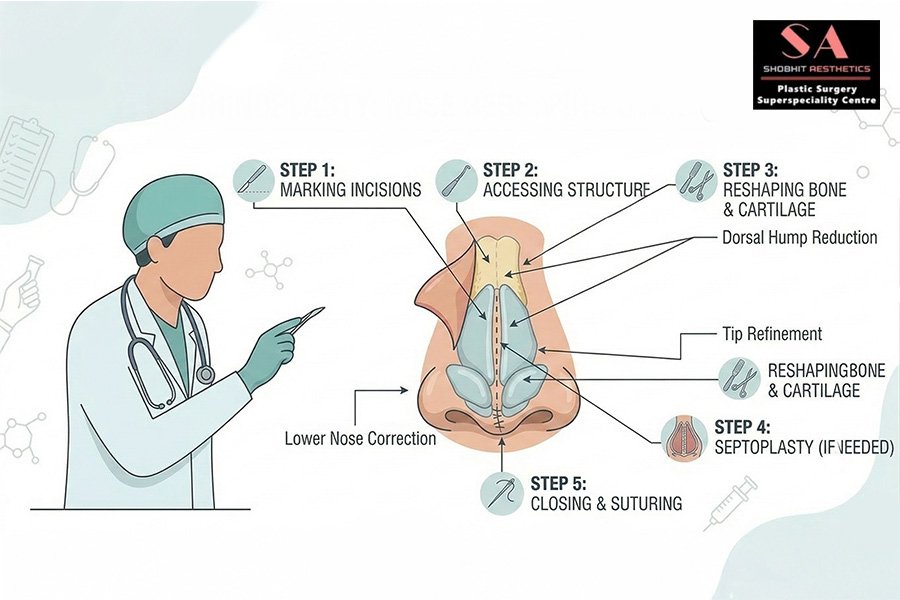
The Surgical Procedure – Step by Step
Here is a complete overview of what the nasal surgery experience looks like at Shobhit Aesthetics, from preparation through completion:
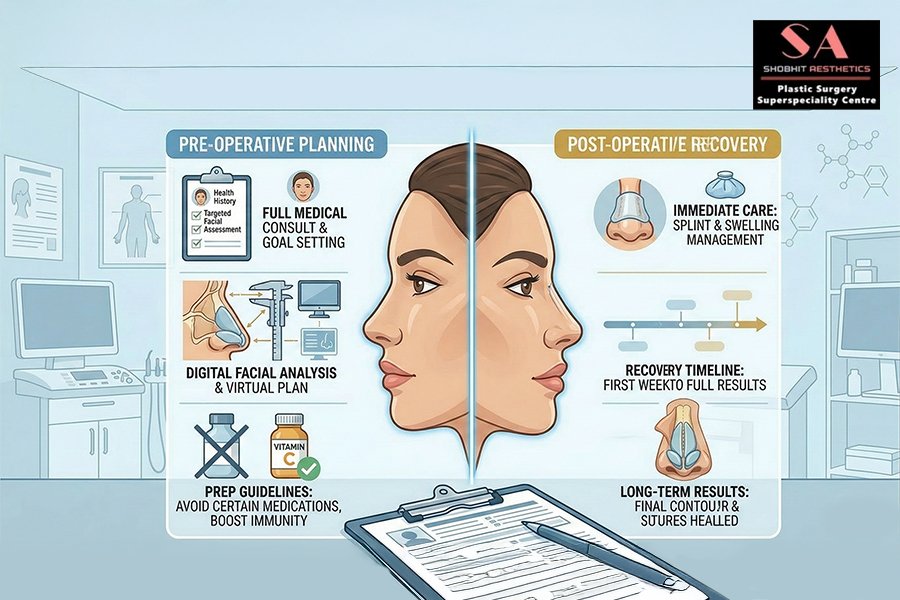
- Pre-operative Preparation — Bloodwork, health clearance, clinical photography, and digital imaging analysis are completed. The surgical plan is finalised and confirmed with the patient. Pre-operative instructions regarding medications, fasting, and post-operative home arrangements are provided.
- Anaesthesia — Nasal surgery is performed under general anaesthesia for most patients, ensuring complete comfort throughout. In select cases — particularly minor procedures or non-surgical approaches — local anaesthesia with sedation may be appropriate.
- Incision Placement — For open surgery, the small columellar incision is made precisely. For closed surgery, all incisions are placed within the nostrils. Both approaches are then extended inside the nose to provide access.
- Structural Modification — Depending on the surgical plan, the surgeon may reduce or reshape the nasal bones (osteotomies), modify the cartilaginous structures of the middle vault, refine the nasal tip cartilages, and graft cartilage (taken from the septum, ear, or rib) where structural support or volume is required.
- Septal Correction (if indicated) — The deviated portions of the septum are straightened and repositioned to improve the nasal airway where functional improvement is part of the surgical plan.
- Closure and Splinting — Incisions are meticulously closed with fine sutures. An external splint is applied over the bridge to support the newly shaped bones and cartilage during initial healing. Internal silicone splints or packing may be placed if septal work has been performed.
The complete procedure typically takes between two and three and a half hours, depending on the complexity of the changes being made.
Recovery After Nasal Surgery
Understanding the recovery process in realistic detail helps patients plan effectively and avoid unnecessary concern during healing. Here is what the rhinoplasty recovery time jaipur and nose surgery recovery time jaipur typically involves:
- Days 1–3 — Swelling, bruising around the eyes and nose, nasal congestion, and the presence of the external splint are all expected. Breathing through the nose is temporarily limited. Rest, head elevation, and cold compresses around (not on) the nose are advised. Discomfort is mild to moderate and well managed with prescribed medication.
- Days 7–10 — The external splint and sutures are removed during the first follow-up visit. This is often the first moment patients get a preliminary glimpse of their new nasal shape — though significant swelling is still present at this stage. Most patients with desk-based jobs feel comfortable returning to work within ten to fourteen days.
- Week 3–4 — The majority of bruising has resolved. Significant swelling around the bridge and cheeks has subsided. Strenuous exercise, contact sports, sunglasses resting on the nose, and any activity that risks impact to the nose must be strictly avoided.
- Month 2–3 — Visible swelling has largely resolved and the new nasal shape becomes clearly recognisable. Patients experience a meaningful sense of the transformation during this phase.
- Month 6–12 — The nose continues to refine as residual deeper tissue swelling — which is imperceptible to others — gradually resolves. Tip definition in particular continues to improve throughout this period.
- Month 12–18 — Final, fully settled results are appreciated. The tip swelling, which is the last to resolve, has completely gone. This is the benchmark timeline for evaluating the true, permanent outcome of nasal surgery.
Are There Side Effects?
Understanding rhinoplasty side effects before undergoing surgery is an important part of informed decision-making. Common, temporary effects include swelling, bruising, temporary numbness of the nasal skin, nasal congestion during healing, and increased sensitivity of the nasal tip. These all resolve with time and are a normal part of the healing process.
Rare but recognised complications — such as asymmetry, septal perforation, breathing changes, or unsatisfactory aesthetic outcomes — are minimised through careful pre-operative planning, experienced surgical execution, and meticulous post-operative monitoring. Revision surgery is occasionally needed to refine results, and this possibility is discussed openly during every pre-operative consultation at Shobhit Aesthetics.
Rhinoplasty Cost in Jaipur
The rhinoplasty cost in jaipur at Shobhit Aesthetics is transparent, inclusive, and reflective of the expertise and standards on offer. The rhinoplasty surgery price jaipur and overall nose surgery cost jaipur depend on:
- Whether an open or closed technique is being used
- The complexity of the changes planned — minor refinement versus significant restructuring
- Whether functional septoplasty is being performed alongside aesthetic surgery
- Whether cartilage grafting is required and the source of graft material
- Anaesthesia and operating facility charges
- Pre-operative investigations and all post-operative follow-up appointments
For broader context, the rhinoplasty cost in india, rhinoplasty surgery cost in india, and overall cost of rhinoplasty in india typically range from ₹80,000 to ₹3,00,000 depending on the city, surgeon, and complexity of the procedure. The rhinoplasty cost in Jaipur at our clinic is meaningfully more accessible than equivalent procedures in Delhi or Mumbai — with outcomes that match or exceed what is available in the country's major cosmetic surgery centres.
The complete cost — covering surgery, anaesthesia, splints, medications, and all follow-up visits — is presented fully and transparently during your consultation. There are no hidden charges, and no aspects of your care are left unexplained
Frequently Asked Questions
The structural changes made during surgery are permanent. The bone and cartilage modifications do not revert. However, the nose continues to age naturally over time — the skin thickens and the tip may descend slightly with advancing age — but the fundamental improvements achieved through surgery remain in place indefinitely.
Your goals and preferences are central to the surgical planning process, and digital imaging is used to discuss potential changes. However, the final result is also governed by your existing nasal anatomy, skin thickness, and cartilage characteristics. Our surgeon will be honest about what is achievable with your specific structure and will guide you toward a result that is both realistic and harmonious with your overall facial features.
Yes — the nose must be fully developed before surgery is performed. This is typically around age 17–18 for females and 18–19 for males. Surgery before full nasal development is complete is not appropriate except in cases of significant functional impairment.
If the primary procedure is cosmetic, breathing is generally not negatively affected and is often improved when septal work is incorporated. Any patient with existing breathing concerns should have these discussed and addressed during the planning phase so they can be managed simultaneously.
Revision cases are generally more complex — the scarring from previous surgery, changes in cartilage availability, and the need to correct prior work make revision procedures technically more demanding. They require a surgeon with a high level of experience in nasal reconstruction and are planned with particular care. Our surgeon has experience in both primary and revision procedures and will assess your case honestly.
Call our clinic directly or submit an appointment request through our website. Our team will arrange a personalised consultation with our specialist surgeon, where your nasal concerns will be assessed in full, a tailored surgical plan will be developed, and a complete, transparent cost estimate will be provided — entirely without pressure or obligation.