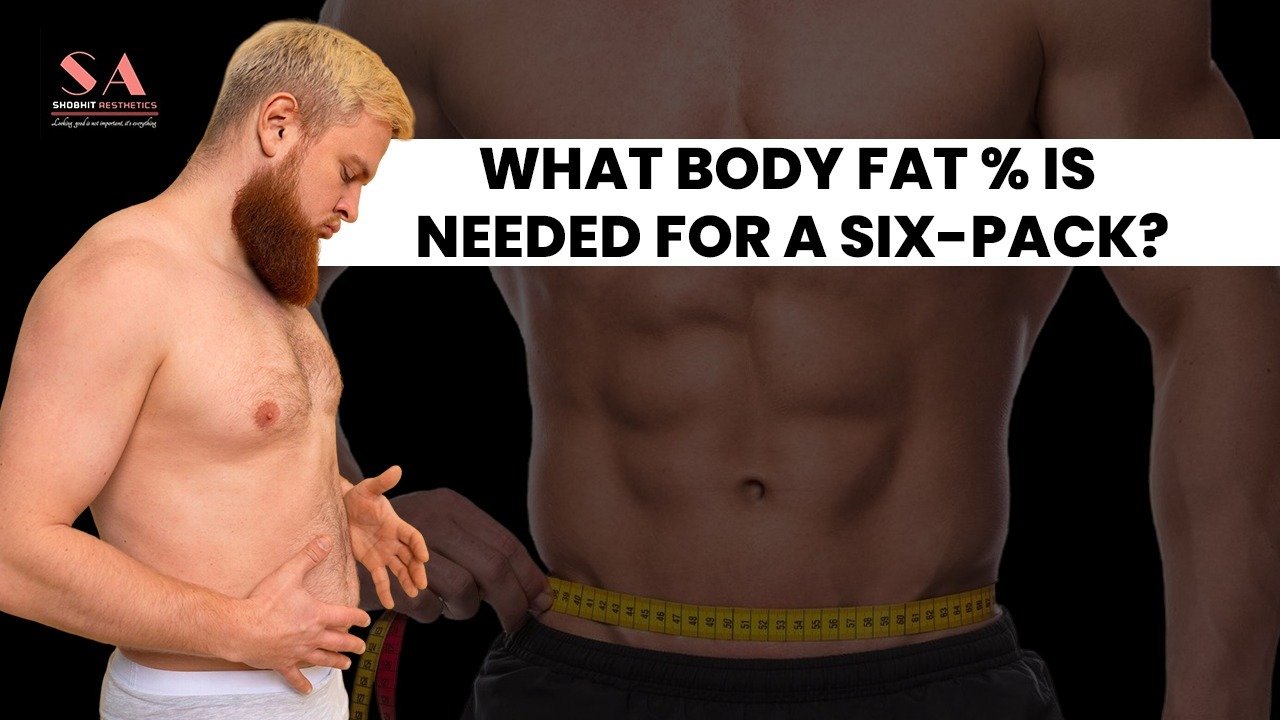
Achieving a well-defined six-pack is one of the most common fitness goals, but it's also one of the most misunderstood. Many people believe that doing hundreds of crunches, planks, or sit-ups every week is enough to reveal their abdominal muscles. In reality, the visibility of your abs depends far less on the number of core exercises you perform and far more on one crucial factor - your body fat percentage.
Everyone has abdominal muscles, but they remain hidden beneath a layer of body fat until that fat is reduced to an optimal level. However, there isn't a single body fat percentage that guarantees a visible six-pack for everyone. Factors such as gender, genetics, muscle mass, age, fat distribution, nutrition, and lifestyle all influence how and when your abs become visible. Two individuals with the same body fat percentage may look completely different because of differences in muscle development and where their bodies naturally store fat.
In this comprehensive guide, you'll learn everything you need to know about body fat percentage and its relationship with six-pack visibility. We'll explain the ideal body fat ranges for men and women, how to accurately measure body fat, the best nutrition and workout strategies to reduce fat while preserving muscle, common mistakes that slow progress, and the role genetics plays in shaping your physique. We'll also discuss when professional body contouring procedures such as liposuction or ab etching may be considered for stubborn fat that doesn't respond to diet and exercise. Whether you're just beginning your fitness journey or working towards the final stage of revealing your abs, this guide will provide practical, science-backed information to help you achieve your goal safely and sustainably.
Understanding Body Fat Percentage
Body fat percentage (BF%) is the proportion of your total body weight that consists of fat. Unlike body weight or Body Mass Index (BMI), body fat percentage provides a much clearer picture of your overall health and fitness because it distinguishes fat mass from lean body mass, including muscles, bones, and organs. For example, if you weigh 80 kg and 16 kg of that weight is body fat, your body fat percentage is 20%. This measurement is particularly important for individuals aiming to achieve visible abs, as muscle definition depends more on body fat percentage than on overall weight. It's also worth noting that not all body fat is harmful. Essential fat is necessary for vital functions such as protecting internal organs, regulating body temperature, supporting hormone production, absorbing fat-soluble vitamins, and storing energy for daily activities. Problems arise only when excess body fat accumulates, especially around the abdomen, increasing the risk of conditions like type 2 diabetes, heart disease, high blood pressure, and metabolic disorders. For anyone working towards a defined six-pack, the objective should not simply be to lose weight but to reduce body fat while preserving lean muscle mass. Maintaining a healthy body fat percentage through balanced nutrition, regular strength training, cardiovascular exercise, and adequate recovery helps reveal abdominal muscles without compromising metabolism, hormone balance, or overall health.
Body Fat Percentage vs. Six-Pack Visibility: Men vs. Women
| Body Fat Percentage | Men – Appearance & Ab Definition | Women – Appearance & Ab Definition | Who Typically Falls in This Range? |
|---|---|---|---|
| 30% and Above | The abdomen appears soft and rounded with little or no muscle definition. Excess fat covers the abdominal muscles completely, making a six-pack impossible to see. | A soft, smooth midsection with minimal muscle definition. Fat is commonly stored around the hips, thighs, buttocks, and abdomen. | Sedentary individuals or those carrying excess body fat. |
| 25–29% | The waist begins to appear slightly slimmer, but abdominal muscles remain hidden. Some upper body muscle tone may be visible, but the stomach lacks definition. | The body starts looking slightly firmer, but abdominal muscles are generally not visible. This is still considered a healthy range for many women. | Individuals beginning their weight-loss journey or recreational exercisers. |
| 20–24% | The upper abdominal muscles may begin to show under good lighting or when flexing. The physique appears leaner and more athletic, but a full six-pack is usually not visible. | A fit and healthy appearance with slight abdominal definition. Many women achieve a toned midsection in this range without visible six-pack separation. | Regular gym-goers, active individuals, and fitness enthusiasts. |
| 17–19% | Muscle definition becomes much more noticeable across the chest, shoulders, and upper abs. Some men with strong abdominal development may begin to see a partial six-pack. | Visible abs begin to appear, especially the upper abdominal muscles. The body looks lean, athletic, and well-conditioned while remaining healthy for most women. | Dedicated fitness enthusiasts maintaining a consistent exercise and nutrition routine. |
| 15–16% | A lean, athletic physique with noticeable abdominal definition. Most upper abs are visible, and the waist appears significantly slimmer. | Strong abdominal definition with visible separation between muscles. This level requires disciplined nutrition and regular strength training. | Advanced fitness enthusiasts and amateur athletes. |
| 10–14% | This is considered the ideal range for visible six-pack abs. At 10–12%, most men display a clearly defined six-pack, vascularity in the arms, and excellent overall muscle definition. This range is generally sustainable with consistent training and nutrition. | Women at 14–16% body fat usually achieve clearly visible abs and a highly athletic physique. Maintaining this range requires careful nutrition, regular exercise, and proper recovery. | Athletes, fitness models, bodybuilders during the off-season, and highly disciplined individuals. |
| 6–9% (Men)Below 14% (Women) | Extremely lean physique with deep abdominal cuts, visible veins (vascularity), and maximum muscle definition. This level is often achieved by competitive bodybuilders or fitness models before competitions and is difficult to maintain year-round. | Abs become highly prominent with very low body fat. While visually striking, maintaining such low levels for extended periods may increase the risk of hormonal imbalance, menstrual irregularities, fatigue, and reduced immunity. | Competitive athletes, bodybuilders during contest preparation, and fitness models during photo shoots. |
Key Takeaways
| Category | Men | Women |
|---|---|---|
| Body Fat % for Visible Abs | 10–14% | 16–19% |
| Clearly Defined Six-Pack | 10–12% | 14–16% |
| Healthy Athletic Range | 12–18% | 18–24% |
| Competition-Level Leanness | 6–9% | Below 14% |
| Recommended for Long-Term Maintenance? | Yes (10–14%) | Yes (16–19%) |
| Higher Risk of Health Issues | Below 6–8% | Below 14% |
Important: These body fat percentages are general guidelines and can vary based on genetics, muscle mass, fat distribution, age, and training history. Two individuals with the same body fat percentage may have noticeably different abdominal definition depending on how much muscle they have developed and where their body stores fat.
How to Measure Body Fat Accurately
Knowing your body fat percentage is far more valuable than simply tracking your weight. The number on the weighing scale tells you how much you weigh, but it doesn't reveal how much of that weight comes from fat, muscle, bones, or water. Two people can weigh exactly the same but have completely different body compositions and fitness levels. That's why measuring body fat percentage is one of the most effective ways to monitor your progress when working towards visible abs.
Regular body fat assessments help you understand whether you're actually losing fat while preserving lean muscle mass. They also allow you to set realistic goals, evaluate the effectiveness of your diet and workout routine, and make adjustments when necessary. Since no measurement method is perfect, it's important to focus on long-term trends rather than small day-to-day changes.
Below are the most commonly used methods for measuring body fat percentage.
1. Skinfold Caliper Test
The skinfold caliper test is one of the most affordable and widely available methods. A trained professional uses specialised calipers to measure the thickness of skinfolds at multiple areas of the body, such as the abdomen, chest, thighs, or arms. These measurements are then used in standard equations to estimate total body fat percentage.
When performed by an experienced professional using consistent techniques, skinfold testing can provide reasonably accurate results. However, measurements may vary depending on the examiner's skill and the quality of the equipment used.
Best for: Regular fitness tracking and individuals looking for a cost-effective solution.
2. Bioelectrical Impedance Analysis (BIA)
Bioelectrical Impedance Analysis, commonly found in smart weighing scales and body composition machines, estimates body fat by sending a small, harmless electrical current through the body. Since muscle contains more water than fat, the device calculates body composition based on electrical resistance.
BIA is quick, painless, and convenient, making it popular for home use. However, its accuracy can be affected by hydration levels, recent exercise, meals, alcohol consumption, and even the time of day. For the most reliable results, measurements should always be taken under similar conditions.
Best for: Home monitoring and tracking long-term trends rather than exact body fat percentages.
3. DEXA Scan (Dual-Energy X-ray Absorptiometry)
The DEXA scan is considered one of the most accurate methods for analysing body composition. Originally developed to assess bone density, it also measures fat mass, lean muscle mass, and bone mineral content with exceptional precision.
Unlike many other methods, a DEXA scan can show exactly where fat is stored throughout the body, including the abdominal region, arms, legs, and trunk. This detailed information is particularly useful for athletes, fitness enthusiasts, and individuals undergoing body transformation programmes.
Although highly accurate, DEXA scans are more expensive and usually available only at specialised diagnostic centres or hospitals.
Best for: Individuals seeking the most accurate body composition assessment.
4. Hydrostatic Weighing
Hydrostatic weighing, also known as underwater weighing, estimates body fat by comparing your body weight on land with your weight while submerged in water. Because fat tissue is less dense than muscle, the difference helps calculate body fat percentage.
For many years, hydrostatic weighing was regarded as the gold standard for body composition analysis. However, the procedure requires specialised equipment, trained technicians, and dedicated facilities, making it less practical for routine use.
Best for: Research settings and specialised sports performance assessments.
5. Body Circumference Measurements
Another practical method involves measuring specific body areas such as the waist, hips, neck, and sometimes the chest using a measuring tape. Several standard formulas, including the U.S. Navy Body Fat Formula, use these measurements to estimate body fat percentage.
While not as precise as DEXA scans or hydrostatic weighing, circumference measurements are inexpensive, easy to perform at home, and useful for tracking changes over time. A shrinking waist circumference often indicates successful fat loss, even if the scale doesn't change significantly.
Best for: Home tracking alongside weight and progress photos.
Tips for Accurate Body Fat Tracking
Regardless of the method you choose, consistency is more important than perfection. To obtain reliable results:
-
Measure at the same time of day, preferably in the morning.
-
Stay similarly hydrated before each measurement.
-
Avoid eating large meals or exercising immediately beforehand.
-
Use the same device or testing method each time.
-
Track measurements every 4–6 weeks instead of daily.
Remember, body fat percentage is a tool to monitor progress—not a number to obsess over. Focus on gradual improvements, combine your measurements with progress photos and strength gains, and use them to guide your fitness journey toward a healthier, stronger, and more defined physique.
How to Safely Lower Body Fat to Reveal Abs
Building a six-pack is not about endless crunches and ab exercises. It’s about dropping overall body fat percentage with a strategic balance of the right nutrition, exercise, and lifestyle. Here’s how:
1. Prioritize Nutrition
Nutrition is the single biggest factor in fat loss. Key principles to keep in mind:
- Create a calorie deficit: Eat fewer calories than your body burns while still consuming enough not to dip into muscle loss.
- Eat enough protein: Protein supports muscle repair and growth and helps with satiety (feeling full). Protein-rich chicken, eggs, fish, tofu, legumes, etc.
- Cut back on sugars and processed carbs: Swap out for complex carbohydrates like whole grains and fiber-rich vegetables.
- Drink enough water: Hydration helps with metabolism and keeps bloating at bay.
- Include healthy fats: Avocado, olive oil, nuts, fatty fish, and other healthy fats help balance hormones and support fat metabolism.
2. Combine Strength Training with Cardio
Spot reducing belly fat is impossible, but you can decrease total body fat and build core strength with:
- Strength training: Build lean muscle to help your metabolism churn. Squats, lunges, deadlifts, etc. are especially helpful.
- HIIT workouts: High-intensity interval training is a great fat-burning exercise.
- Core exercises: Planks, hanging leg raises, bicycle crunches, etc. to build muscle definition when fat layers become thinner.
3. Manage Stress and Sleep
Stress can increase cortisol levels, leading to belly fat storage, so be sure to incorporate stress-relieving practices like yoga, meditation, or other relaxation techniques.
Additionally, aim to get 7–9 hours of sleep every night to help with recovery and fat loss. Sleep deprivation has been linked to slower fat loss and increased appetite.
4. Stay Consistent
Don’t get discouraged if the pounds aren’t melting away immediately. Fat loss is a gradual process. For most people, it takes a few months of consistent diet and exercise before you will start to see abs results.
The Role of Genetics in Six-Pack Visibility
One of the most overlooked factors in the six-pack conversation is genetics. While body fat percentage is the primary determinant of ab visibility, genetics play a significant role in how your abs actually look once the fat is reduced.
Muscle Insertion Points: The shape, symmetry, and number of visible ab segments are entirely determined by genetics. Some people naturally have a perfect six-pack arrangement, while others may have an asymmetrical or uneven layout — where one side sits slightly higher than the other. Neither is a sign of poor training; it is simply the structure you were born with.
Fat Distribution: Where your body chooses to store and release fat is also largely genetic. Some men and women lose fat first from the face, arms, and legs before the belly fat budges. This means that two people at the same body fat percentage may have very different levels of ab definition.
Tendinous Inscriptions: The horizontal lines that divide the abs into sections are created by fibrous tissue called tendinous inscriptions. The number and position of these inscriptions are fixed at birth, which is why some people appear to have a four-pack, six-pack, or even an eight-pack regardless of how hard they train.
Understanding your genetic blueprint allows you to set realistic expectations and work with your body rather than against it.
Common Myths About Getting a Six-Pack
There is an enormous amount of misinformation surrounding ab training and fat loss. Debunking these myths can save you months of wasted effort and frustration.
Myth 1 — Doing hundreds of crunches will give you abs. Crunches build the abdominal muscles, but they do nothing to remove the fat covering them. You cannot spot-reduce fat from any specific area of the body. Fat loss occurs systemically — meaning your body loses fat from all over, not just the area you are exercising. The only way to reveal your abs is to reduce your overall body fat percentage through a combination of diet and full-body exercise.
Myth 2 — You need to eat very little to lose belly fat. Severely restricting calories is counterproductive. When you eat too little, your body enters a catabolic state and begins breaking down muscle for energy. Losing muscle slows your metabolism, making it harder to burn fat in the long term. A moderate calorie deficit of 300 to 500 calories per day is the most sustainable and effective approach.
Myth 3 — Fat-burning supplements will give you a six-pack. No supplement can substitute for a consistent diet and training programme. While certain compounds like caffeine may marginally increase metabolic rate, no pill or powder will selectively burn belly fat. Many fat-burning supplements also carry health risks and are not regulated as strictly as pharmaceutical products.
Myth 4 — Cardio is the best exercise for abs. Cardio burns calories and supports fat loss, but resistance training is equally if not more important. Building lean muscle mass through strength training increases your resting metabolic rate, meaning your body burns more calories even when you are not exercising. A combination of both is the most effective strategy.
Myth 5 — Once you have abs, maintaining them is easy. Maintaining a low body fat percentage requires ongoing commitment to diet and exercise. Life circumstances, stress, injury, and hormonal changes can all affect body composition over time. Visible abs are not a destination — they are the result of sustained healthy habits.
Ideal Body Fat Percentage for Men and Women
Body Fat Percentage vs. Ab Visibility
| Body Fat % | Men | Women |
|---|---|---|
| 30%+ | Obese appearance, no muscle definition | Soft appearance with no visible muscle tone |
| 25–29% | Rounded abdomen with little definition | Slight muscle tone but abs not visible |
| 20–24% | Some upper ab definition begins | Fit and toned appearance with minimal ab visibility |
| 15–19% | Athletic physique with noticeable abs | Visible upper abs and athletic look |
| 10–14% | Clearly visible six-pack for most men | Very lean physique with defined abs (14–16%) |
| Below 10% (Men) / Below 14% (Women) | Competition-level conditioning; difficult to maintain | Highly defined abs but increased risk of hormonal imbalance |
Key Takeaway: Most men achieve visible abs at 10–14% body fat, while women generally need 16–19% body fat for abdominal definition.
Nutrition Strategies Specifically for Revealing Abs
Beyond general healthy eating principles, there are specific nutrition strategies that can accelerate fat loss and support ab definition.
Protein Timing
Consuming protein at regular intervals throughout the day — rather than in one or two large meals — supports continuous muscle protein synthesis and keeps hunger levels in check. Aim for a protein-rich meal or snack every three to four hours. Good sources include eggs, Greek yoghurt, cottage cheese, chicken breast, fish, legumes, and protein shakes.
Carbohydrate Cycling
Carbohydrate cycling involves alternating between higher-carb days on training days and lower-carb days on rest days. This approach optimises energy availability for workouts while creating a calorie deficit on non-training days, accelerating fat loss without sacrificing performance or muscle mass.
Reducing Sodium and Bloating Triggers
Even at a low body fat percentage, excessive sodium intake, carbonated drinks, certain vegetables like broccoli and cauliflower, and food intolerances can cause significant bloating that masks ab definition. Reducing sodium, staying well hydrated, and identifying personal bloating triggers can make a noticeable difference in how your midsection appears day to day.
Intermittent Fasting
Intermittent fasting — particularly the 16:8 method, where eating is restricted to an eight-hour window — has been shown to be an effective tool for reducing overall calorie intake and improving fat loss without the need for meticulous calorie counting. It also supports metabolic flexibility, training the body to burn fat more efficiently as a fuel source.
Alcohol and Ab Definition
Alcohol is one of the most significant dietary obstacles to achieving a six-pack. It is calorie-dense, suppresses fat oxidation, disrupts sleep quality, and elevates cortisol levels — all of which contribute to fat storage in the abdominal region. Even moderate regular alcohol consumption can meaningfully slow progress toward visible abs.
Best Exercises for Building a Visible Six-Pack
Most Effective Core Exercises
| Exercise | Primary Muscles Targeted | Difficulty | Recommended Sets |
|---|---|---|---|
| Hanging Leg Raises | Lower Abs, Hip Flexors | Advanced | 3–4 × 10–15 reps |
| Cable Crunches | Upper Abs | Intermediate | 3–4 × 12–15 reps |
| Bicycle Crunches | Upper Abs & Obliques | Beginner | 3 × 20 reps |
| Plank | Entire Core | Beginner | 3 × 30–60 seconds |
| Side Plank | Obliques | Beginner | 3 × 30–45 seconds each side |
| Ab Wheel Rollouts | Entire Core | Advanced | 3 × 8–12 reps |
| Reverse Crunches | Lower Abs | Beginner | 3 × 15 reps |
| Mountain Climbers | Core & Cardio | Beginner | 3 × 30–45 seconds |
Tip: Train your core 2–3 times per week while focusing primarily on reducing overall body fat through diet and full-body workouts.
While fat loss is the primary requirement for visible abs, building strong, well-developed abdominal muscles ensures that once the fat is reduced, the definition is impressive. Here are the most effective core exercises for maximum ab development.
Hanging Leg Raises: One of the most demanding and effective exercises for the lower abs. Hang from a pull-up bar and raise your legs to a 90-degree angle or higher in a controlled motion. This exercise places significant tension on the entire rectus abdominis and hip flexors.
Cable Crunches: Performed at a cable machine with a rope attachment, cable crunches allow for progressive overload — meaning you can gradually increase resistance over time, just like any other muscle group. This is essential for building thicker, more visible ab muscles.
Plank Variations: Standard planks, side planks, and plank with alternating arm and leg raises develop core stability and endurance. A strong core is the foundation of every other exercise and contributes to better posture and injury prevention.
Ab Wheel Rollouts: The ab wheel rollout is one of the most challenging and effective core exercises available. It recruits the entire core including the rectus abdominis, transverse abdominis, and obliques simultaneously, making it highly efficient.
Bicycle Crunches: Research has consistently ranked bicycle crunches among the highest muscle-activating ab exercises. The rotational movement targets both the rectus abdominis and the obliques, contributing to a well-rounded, defined midsection.
Dead Bug: Lying on your back with arms extended toward the ceiling and legs in a tabletop position, the dead bug exercise trains the deep core stabilisers and is particularly effective for developing the lower abs while protecting the lower back.
Foods to Eat vs Foods to Avoid for Visible Abs
Nutrition Guide for Fat Loss
| Eat More Of | Why It Helps | Limit or Avoid | Why It Slows Progress |
|---|---|---|---|
| Chicken Breast | High-quality lean protein | Sugary Soft Drinks | High calories with little nutrition |
| Eggs | Protein and healthy fats | Cakes & Pastries | High sugar and refined flour |
| Fish (Salmon, Tuna) | Protein + Omega-3 fats | Fried Foods | High in unhealthy fats and calories |
| Greek Yogurt | High protein, gut-friendly | Processed Snacks | High sodium and preservatives |
| Oats | High fibre, keeps you full | White Bread | Causes blood sugar spikes |
| Brown Rice | Slow-digesting carbohydrates | Excess Alcohol | Reduces fat burning and recovery |
| Fruits & Vegetables | Fibre, vitamins and minerals | Packaged Juices | High sugar content |
| Nuts & Seeds | Healthy fats and satiety | Fast Food | Excess calories and trans fats |
| Beans & Lentils | Plant protein and fibre | Candy & Chocolates | High sugar and empty calories |
| Water | Supports metabolism and reduces bloating | Energy Drinks | Added sugars and unnecessary calories |
Remember: No food can specifically burn belly fat. A consistent calorie deficit, high-protein diet, and regular exercise are the keys to lowering body fat and revealing your abdominal muscles.
Why Your Body Fat Percentage May Not Match Your Appearance (The "Skinny Fat" Phenomenon)
One of the biggest misconceptions in fitness is assuming that body weight alone determines how lean or athletic a person looks. In reality, two people with the exact same body fat percentage can have dramatically different physiques. This is why many individuals become frustrated when they reach their target weight but still don't see visible abs.
A common example is the "skinny fat" physique. This refers to someone who has a relatively low body weight but also has low muscle mass and a higher percentage of body fat than expected. Although the scale may indicate a healthy weight, the lack of muscle definition causes the body to appear soft rather than toned.
Muscle mass plays a major role in how your body looks. Well-developed abdominal muscles create more depth and separation, making them visible at slightly higher body fat percentages. Conversely, individuals with underdeveloped core muscles may need to reduce body fat even further before seeing noticeable definition.
Body composition is influenced by several factors:
Muscle Mass
The more lean muscle you carry, the more defined your physique appears. Strength training stimulates muscle growth while increasing resting metabolic rate, helping burn more calories even at rest.
Fat Distribution
Some individuals naturally store more fat around the abdomen, while others accumulate fat in the thighs, hips, or arms. This distribution is largely determined by genetics and hormones.
Water Retention
Temporary water retention caused by high sodium intake, poor hydration, hormonal changes, or stress can make the midsection appear softer despite having a relatively low body fat percentage.
Muscle Glycogen
When muscles are well supplied with glycogen from adequate carbohydrate intake, they appear fuller and more defined. This is why athletes often manipulate carbohydrate intake before competitions.
Posture
Poor posture can make the abdomen protrude, even in lean individuals. Strengthening the core and improving posture often creates a flatter-looking stomach.
Rather than focusing only on the weighing scale, monitor waist circumference, progress photos, body fat percentage, and strength improvements. These measurements provide a much clearer picture of your transformation than body weight alone.
Ultimately, visible abs are a result of low body fat combined with sufficient muscle development. The goal should be improving overall body composition rather than simply losing weight.
Foods That Help Reduce Body Fat Naturally
While no single food can magically burn belly fat, certain foods can support fat loss by increasing satiety, preserving muscle mass, improving metabolism, and reducing unnecessary calorie intake. Building a balanced diet around these foods makes achieving visible abs more sustainable.
Lean Protein Sources
Protein is the most important nutrient for preserving muscle while losing fat. It also has the highest thermic effect of food, meaning your body burns more calories digesting protein compared to fats or carbohydrates.
Excellent protein sources include:
-
Chicken breast
-
Turkey
-
Fish
-
Eggs
-
Greek yogurt
-
Cottage cheese
-
Tofu
-
Paneer (low-fat)
-
Lentils
-
Beans
Aim for approximately 1.6–2.2 grams of protein per kilogram of body weight if your goal is fat loss while maintaining muscle.
High-Fibre Foods
Dietary fibre slows digestion, improves satiety, supports gut health, and helps regulate blood sugar levels.
Include foods such as:
-
Oats
-
Apples
-
Berries
-
Broccoli
-
Spinach
-
Carrots
-
Beans
-
Chickpeas
-
Whole grains
Healthy Fats
Healthy fats support hormone production and help control hunger.
Good options include:
-
Avocados
-
Almonds
-
Walnuts
-
Chia seeds
-
Flaxseeds
-
Olive oil
-
Fatty fish like salmon
Complex Carbohydrates
Unlike refined carbohydrates, complex carbs provide sustained energy for workouts without causing rapid spikes in blood sugar.
Examples include:
-
Brown rice
-
Quinoa
-
Sweet potatoes
-
Whole wheat bread
-
Millets
-
Oats
Hydrating Foods
Proper hydration helps maintain metabolism and reduces bloating.
Water-rich foods include:
-
Cucumbers
-
Watermelon
-
Tomatoes
-
Lettuce
-
Oranges
Foods to Limit
To reveal abdominal muscles faster, reduce consumption of:
-
Sugary drinks
-
Processed snacks
-
Fried foods
-
Refined flour products
-
Excess alcohol
-
High-calorie desserts
Remember, fat loss depends on maintaining a calorie deficit. Even healthy foods can contribute to weight gain if consumed in excessive amounts. Focus on portion control, meal quality, and consistency rather than restrictive dieting.
Common Mistakes That Prevent You From Getting Visible Abs
Many people train consistently for months yet fail to achieve visible abs because of avoidable mistakes. Understanding these common pitfalls can significantly improve your results.
Relying Only on Ab Exercises
Hundreds of crunches every day will strengthen your abdominal muscles but won't remove the fat covering them. Fat loss must occur throughout the body.
Ignoring Nutrition
Exercise alone cannot compensate for poor eating habits. Even intense workouts cannot offset frequent overeating or excessive consumption of processed foods.
Inconsistent Calorie Intake
Many people eat well during weekdays but consume significantly more calories over weekends, eliminating the weekly calorie deficit.
Not Eating Enough Protein
Insufficient protein increases muscle loss during dieting, slowing metabolism and making fat loss more difficult.
Excessive Cardio
While cardio burns calories, relying exclusively on it without resistance training may result in muscle loss. Combining strength training with cardio is more effective.
Unrealistic Expectations
Social media often creates unrealistic timelines. Visible abs generally require several months of disciplined nutrition and exercise.
Poor Sleep
Sleeping fewer than seven hours regularly increases hunger hormones while decreasing recovery and fat-burning efficiency.
High Stress Levels
Chronic stress elevates cortisol, which can increase appetite and encourage fat storage around the abdomen.
Frequent Diet Changes
Jumping between keto, fasting, detoxes, and crash diets prevents long-term consistency. Sustainable eating habits produce better results.
Comparing Yourself to Others
Everyone loses fat differently due to genetics, hormones, age, and muscle mass. Focus on your own progress rather than someone else's physique.
Avoiding these mistakes allows your training and nutrition efforts to work much more effectively.
Who Is a Good Candidate for Ab Etching or High-Definition Liposuction?
Despite maintaining a healthy diet and exercising consistently, some individuals continue to struggle with stubborn abdominal fat. In these cases, cosmetic body contouring procedures may help refine muscle definition.
However, these procedures are not intended as weight-loss treatments.
The ideal candidate typically has:
A Stable Body Weight
Candidates should be close to their ideal body weight with a stable BMI. Significant weight fluctuations after surgery may affect results.
Good Muscle Development
Ab etching enhances the natural contours of existing abdominal muscles. Individuals who regularly exercise usually achieve the best outcomes.
Localised Fat Deposits
The procedure works best for stubborn fat around the lower abdomen, waist, or flanks that has not responded to diet and exercise.
Good Skin Elasticity
Firm, elastic skin contracts more effectively after fat removal, producing smoother and more natural-looking contours.
Realistic Expectations
Body contouring improves shape and definition but does not replace healthy lifestyle habits. Maintaining results requires continued exercise and balanced nutrition.
Non-Smokers or Those Willing to Stop Smoking
Smoking affects blood circulation and healing, increasing the risk of complications after surgery.
Good Overall Health
Patients should be medically fit and free from uncontrolled chronic illnesses before undergoing cosmetic procedures.
When Is Ab Etching Not Recommended?
The procedure may not be suitable for individuals who:
-
Are significantly overweight
-
Have poor skin elasticity
-
Expect surgery to replace diet and exercise
-
Have uncontrolled diabetes or serious medical conditions
-
Plan significant weight loss after surgery
A consultation with an experienced plastic surgeon is essential to determine the most appropriate treatment based on your body composition and goals.
For individuals who are already lean but unable to eliminate stubborn fat pockets, advanced procedures such as high-definition liposuction or ab etching can provide the final refinement needed to achieve a more sculpted abdominal appearance.
Tracking Your Progress Effectively
Staying motivated on the journey to visible abs requires tracking your progress accurately and consistently. Here are the best methods to monitor your results.
Weekly Body Measurements: Use a measuring tape to track the circumference of your waist, hips, chest, and thighs every week. Changes in measurements often precede changes on the scale and provide a more accurate picture of fat loss and body recomposition.
Progress Photos: Take photos under consistent lighting, at the same time of day, and from the same angles every two weeks. Visual comparisons over time are often far more motivating and revealing than numbers alone.
Strength Benchmarks: Tracking improvements in your strength — such as being able to do more reps, lift heavier weights, or hold a plank for longer — is a reliable indicator that you are building muscle and improving overall body composition, even when the scale does not move.
Body Fat Testing: Periodic body fat measurements using a DEXA scan, caliper test, or bioelectrical impedance device provide the most direct insight into whether you are losing fat and preserving muscle. Aim to test every four to six weeks for meaningful data.
How Long Does It Take to Get a Six-Pack?
This is one of the most common questions asked by people beginning their fitness journey, and the honest answer is — it depends. The time required to achieve visible abs varies significantly based on your starting body fat percentage, your consistency with nutrition and training, your genetics, age, and hormonal profile.
As a general estimate:
- Someone starting at 20–25% body fat can expect to reach visible ab territory (10–14% for men, 16–19% for women) in approximately four to eight months with consistent effort.
- Someone starting at 25–30% body fat may require eight to twelve months or longer.
- Someone already at 15–18% body fat may see visible abs within eight to twelve weeks of focused dieting and training.
It is important to approach this goal with patience. Sustainable fat loss occurs at a rate of approximately 0.5 to 1 kilogram per week. Faster weight loss almost always involves muscle loss, which undermines the goal of a defined, athletic physique.
When Diet and Exercise Are Not Enough - Professional Body Contouring
Despite months of dedicated training and meticulous nutrition, many individuals find themselves unable to eliminate the last stubborn layer of fat covering the abdominal muscles. This is a well-documented phenomenon and is not a failure of effort or willpower — it is biology.
Certain fat deposits, particularly in the lower abdomen, flanks, and love handle areas, are highly resistant to diet and exercise due to a higher concentration of alpha-adrenergic receptors, which inhibit fat breakdown in those regions. For these individuals, professional body contouring procedures offer a safe, effective, and long-lasting solution.
Liposuction at Shobhit Aesthetics
Liposuction is the gold standard for removing stubborn, localised fat deposits that are unresponsive to conventional methods. At Shobhit Aesthetics in Delhi, Dr. Shobhit Gupta and his expert team offer advanced liposuction techniques including Tumescent, Laser-assisted, and VASER liposuction — each designed to deliver precise fat removal with minimal downtime and smooth, natural-looking results.
Ab Etching (Six-Pack Surgery)
Ab etching, also known as abdominal etching or high-definition liposuction, is a specialised body contouring procedure that creates the appearance of a defined, sculpted six-pack by selectively removing fat around the natural contours of the abdominal muscles. It is ideal for individuals who are already relatively lean and fit but want to enhance their muscle definition further. Dr. Shobhit Gupta is highly experienced in this advanced technique and is one of Delhi's leading surgeons for high-definition body contouring.
Tummy Tuck (Abdominoplasty)
For individuals who have loose or excess skin in the abdominal area — commonly seen after significant weight loss or pregnancy — a tummy tuck combined with liposuction can dramatically improve the appearance of the midsection. The procedure removes excess skin, tightens the abdominal muscles, and reshapes the waist for a firmer, flatter result.
The Dangers of Extremely Low Body Fat
Dropping body fat percentage to super low levels may be a show-off, but it’s important to know the potential side effects and health risks of having extremely low body fat if it is not a natural range for your body.
- Fatigue and weakness
- Decreased immunity
- Hormonal imbalances
- Insomnia
- Muscle loss
For most people, a healthy, lean body fat percentage where abs are still visible is the best for aesthetics and overall health. This is around 10–14% body fat for men and 16–19% for women.
Professional Help for Stubborn Fat - Shobhit Aesthetics
If you have been eating well, working out, and taking care of your body but can’t quite seem to lose that last stubborn layer of fat, professional body contouring treatments are available to fine-tune and enhance your results.
At Shobhit Aesthetics, with Dr. Shobhit Gupta’s guidance, the Gold Medalist & Senior Consultant Plastic Surgeon (MCh in Plastic Surgery), you can expect a personalized and advanced approach to aesthetic care for safe and natural-looking body transformations.
Dr. Shobhit Gupta and his expert team specialize in:
- Liposuction (Tumescent, Laser & VASER): Removes stubborn fat deposits resistant to diet and exercise.
- Body Sculpting and Ab Etching: Enhances natural muscle contours for a defined, athletic look.
- Tummy Tuck (Abdominoplasty): Tightens loose skin and reshapes the abdominal area for a firmer midsection.
Visible abs is a result of consistency in fitness, smart nutrition, and a balance of strength training and cardio exercises rather than endless crunches. Men can expect to achieve visible abs at around 10–12% body fat percentage, and women around 16–19%.
For stubborn fat layers in the way of your best body, Shobhit Aesthetics can help you reach your goals safely and effectively for a more confident and long-term transformation.
Frequently Asked Questions (FAQs):-
Q1. What body fat percentage do I need for visible abs?
For men, visible abs typically become apparent at a body fat percentage of 10 to 14 percent, with a well-defined six-pack usually visible at 10 to 12 percent. For women, abs begin to show at around 16 to 19 percent body fat, with a clearly defined six-pack visible at 14 to 16 percent. These ranges vary depending on individual genetics, muscle development, and fat distribution patterns. It is important to note that these are general guidelines — some individuals may see abs slightly above or below these ranges based on their unique body composition.
Q2. How long does it take to get a six-pack?
The time required to achieve visible abs depends on your starting body fat percentage, consistency with diet and exercise, genetics, and age. On average, someone starting at 20 to 25 percent body fat can expect to reach visible ab territory in four to eight months with dedicated effort. Those starting at a higher body fat percentage may take eight to twelve months or longer. Aiming for a sustainable fat loss rate of 0.5 to 1 kilogram per week is the most effective long-term approach.
Q3. Can I get a six-pack without going to the gym?
Yes, it is possible to develop visible abs without a traditional gym membership. Bodyweight exercises such as planks, hanging leg raises using a pull-up bar, bicycle crunches, ab wheel rollouts, and mountain climbers are all highly effective for building abdominal muscle. However, regardless of the exercise approach, nutrition is the most critical factor. Without achieving a low enough body fat percentage through a well-structured diet, abs will remain hidden regardless of how strong or developed the underlying muscles are.
Q4. Is it healthy to maintain a body fat percentage low enough for abs?
For most men, maintaining a body fat percentage of 10 to 14 percent is considered healthy and sustainable. For women, maintaining 16 to 19 percent is within a healthy range. However, going below these levels — particularly below 6 percent for men and below 14 percent for women — can lead to hormonal imbalances, fatigue, decreased immunity, and other health complications. The goal should be a body fat level where abs are visible while overall health and energy levels remain optimal.
Q5. Why can I see my upper abs but not my lower abs?
This is extremely common and is primarily due to fat distribution patterns. The lower abdominal region tends to be one of the last areas where fat is mobilised and lost, particularly in men. This means that even as your overall body fat decreases and your upper abs become visible, the lower abs may remain covered by a stubborn layer of fat. Continuing to reduce overall body fat through a consistent calorie deficit and full-body training programme will eventually reveal the lower abs. Targeted core exercises such as hanging leg raises and reverse crunches can help build lower ab muscle mass in preparation.
Q6. Does stress affect my ability to get a six-pack?
Yes, chronic stress has a direct and measurable impact on body fat accumulation, particularly in the abdominal region. Elevated cortisol — the primary stress hormone — promotes fat storage in the belly area, increases appetite and sugar cravings, disrupts sleep quality, and slows fat metabolism. Managing stress through techniques such as meditation, yoga, regular exercise, adequate sleep, and healthy social connections is an important and often overlooked component of achieving and maintaining visible abs.
Q7. Should women try to get a six-pack?
Having visible abs is a personal choice and is entirely achievable for women through consistent training and nutrition. However, it is important for women to be aware that achieving very low body fat levels — below 14 percent — can disrupt hormonal balance, affect menstrual cycles, and impact bone density. The majority of women can achieve a toned, athletic abdominal appearance at 17 to 20 percent body fat without approaching these risks. Women should always prioritise health and well-being over aesthetic extremes.
Q8. What foods should I avoid to reduce belly fat?
The most impactful dietary changes for reducing belly fat include eliminating or significantly reducing added sugars and sugary beverages, processed and refined carbohydrates such as white bread and pastries, trans fats found in fried and packaged foods, excessive sodium which promotes water retention and bloating, and alcohol. Replacing these with whole foods, lean proteins, fibre-rich vegetables, complex carbohydrates, and healthy fats creates the nutritional foundation for consistent fat loss and improved ab definition.
Q9. Can body contouring surgery give me a six-pack without exercise?
Procedures such as ab etching and high-definition liposuction at Shobhit Aesthetics can create the appearance of a sculpted, defined six-pack by removing fat around the natural muscle contours. However, these procedures deliver the best and most long-lasting results when combined with a healthy lifestyle. Significant weight gain after surgery can diminish the results. Body contouring is best understood as a tool to enhance and refine the results of a healthy diet and exercise programme — particularly for addressing stubborn fat deposits that are resistant to conventional methods — rather than a replacement for fitness.
Q10. How do I know if I need liposuction or ab etching to get defined abs?
If you are at or close to your target body fat percentage but still have a persistent layer of fat covering your abdominal muscles despite consistent diet and exercise, liposuction may be the appropriate solution to remove those stubborn deposits. If you are already lean and fit but want to enhance the definition and visibility of your abdominal muscles, ab etching or high-definition liposuction may be the ideal option. The best way to determine the right procedure for your specific situation is to schedule a consultation with Dr. Shobhit Gupta at Shobhit Aesthetics, where a personalised assessment and treatment plan will be created based on your body composition and aesthetic goals.