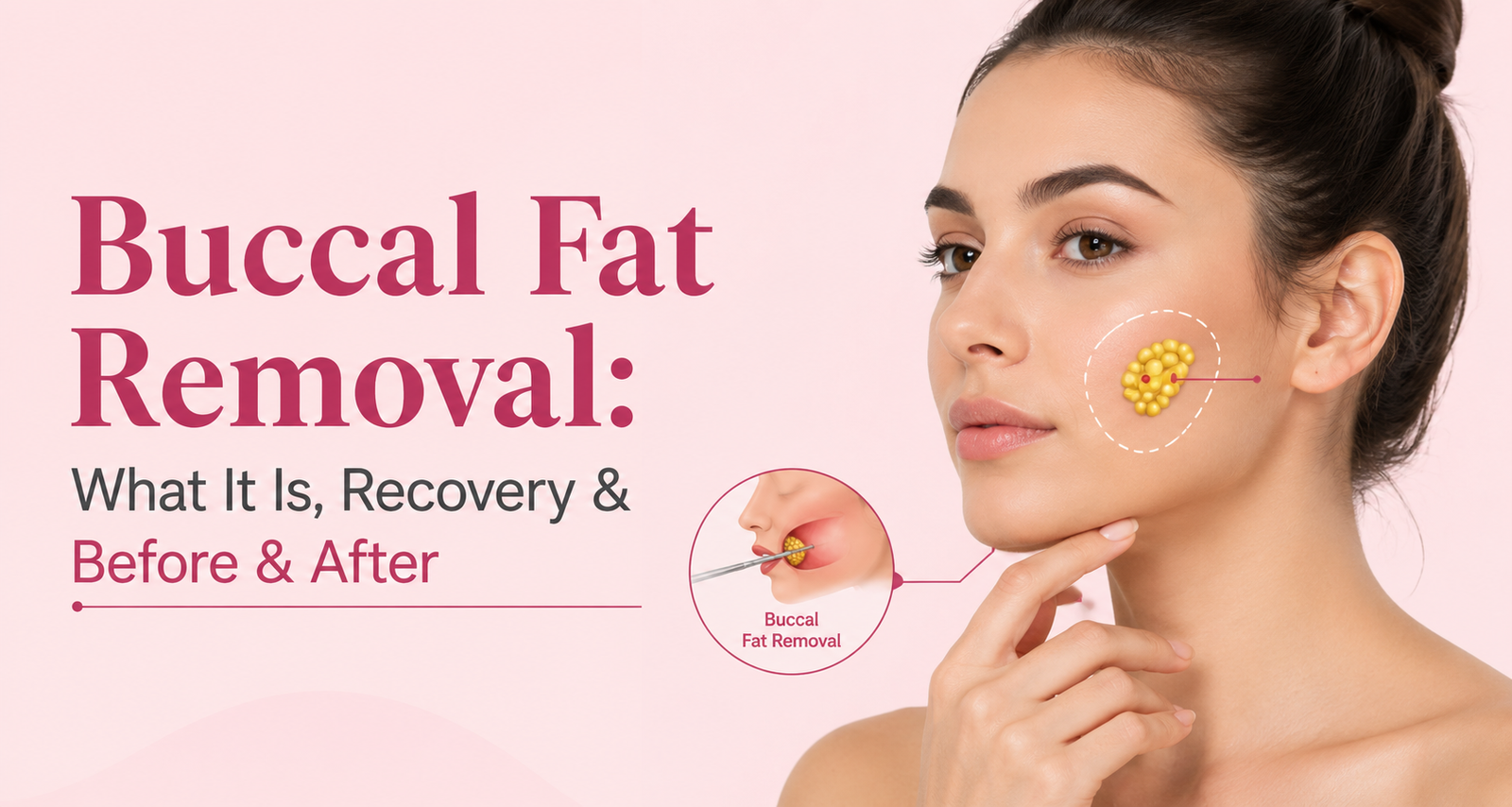
A slimmer, more defined face is something many people look for, especially when they feel that their cheeks appear fuller or rounder than they would like. While weight loss and facial changes can affect the appearance of the face, some people naturally have prominent cheeks because of the buccal fat pads. In such cases, Buccal Fat Removal may be considered as a surgical option to create a more sculpted facial appearance.
Also known as buccal fat surgery or cheek fat removal, this procedure involves removing a carefully planned amount of fat from the lower cheek area. The aim is not to make the face look unnaturally thin, but to improve facial definition and create better balance between the cheeks, jawline and other facial features.
In this blog, we explain what Buccal Fat Removal is, how the procedure works, who may be a suitable candidate, what to expect before and after surgery, and the benefits that can be achieved with the right treatment plan.
What Is Buccal Fat?
Buccal fat is a naturally occurring pocket of fat located deep within the lower part of the cheeks. Everyone has buccal fat pads, but their size and prominence can vary significantly from person to person.
Some people naturally have fuller cheeks due to larger buccal fat pads, even if they maintain a healthy body weight. This is why losing weight does not always create the facial definition that some individuals desire.
Prominent buccal fat can give the face a:
- Rounder appearance
- Fuller lower cheek area
- Softer facial contour
- Less defined cheek and jawline transition
The size of the buccal fat pads is largely influenced by individual facial anatomy and genetics.
What Is Buccal Fat Removal?
Buccal Fat Removal is a cosmetic surgical procedure that removes a portion of the buccal fat pads from the cheeks.
The procedure is designed to reduce fullness in the lower face and create a more contoured appearance. It may help enhance the natural definition of the cheekbones and create a slimmer facial profile in appropriately selected patients.
The procedure is performed through small incisions made inside the mouth. Because the incisions are internal, there are generally no visible scars on the outside of the face.
During the procedure, the surgeon carefully accesses the buccal fat pad and removes an appropriate amount based on the patient's facial structure and desired outcome.
The key word here is appropriate. Removing too much facial fat can lead to an overly hollow appearance, which is why Buccal Fat Removal requires careful planning and an understanding of facial proportions.
Why Do People Choose Buccal Fat Removal?
People consider cheek fat removal for different reasons. The most common reason is a desire for greater facial definition.
Some patients may feel that their face appears disproportionately round or full despite maintaining a stable and healthy weight.
Common goals include:
- Creating a slimmer-looking lower face
- Improving cheek definition
- Enhancing facial contours
- Creating better balance between facial features
- Reducing naturally prominent cheek fullness
- Achieving a more sculpted facial appearance
It is important to remember that the procedure is designed to change the contours of the lower cheek area. It is not a weight-loss procedure and does not replace a healthy lifestyle.
Who Is a Suitable Candidate for Buccal Fat Removal?
Not everyone with a round face is automatically a suitable candidate for Buccal Fat Removal.
A proper consultation is important because the procedure permanently changes the amount of fat in the cheeks. The surgeon needs to consider how your face may change naturally over time before recommending surgery.
You may be considered a suitable candidate if you:
- Have naturally prominent or fuller lower cheeks
- Are in good general health
- Maintain a relatively stable body weight
- Have realistic expectations from the procedure
- Desire more facial definition
- Have sufficient facial volume to support fat removal
However, Buccal Fat Removal may not be suitable for individuals who already have a naturally narrow or thin face. As facial volume naturally decreases with age, removing buccal fat from an already slim face may not provide the desired long-term result.
Your age, skin quality, facial structure and existing cheek volume are all considered before recommending treatment.
What Should You Expect Before Buccal Fat Removal?
Before undergoing Face Slimming Surgery, a detailed consultation is essential.
During the consultation, the surgeon may assess:
- Your facial anatomy
- Existing cheek volume
- Overall facial proportions
- Skin quality
- Medical history
- Previous surgeries
- Your aesthetic concerns and expectations
You should also discuss any medications, allergies or health conditions that could affect the procedure or recovery.
A good consultation is not simply about deciding whether you want slimmer cheeks. It is about determining whether Buccal Fat Removal will suit your face and provide a balanced result in both the short and long term.
Your surgeon may also provide pre-operative instructions regarding food, medications, smoking and other factors before surgery.
Buccal Fat Removal Before and After: What Changes Can You Expect?
One of the most searched aspects of this procedure is Buccal Fat Removal before and after results.
The most important thing to understand is that the results are gradual.
Immediately after surgery, the cheeks may appear swollen. This means the final facial contour will not be visible straight away. As healing progresses and the swelling settles, the lower cheeks may gradually appear more defined.
Depending on the individual's facial anatomy, patients may notice:
- Reduced fullness in the lower cheeks
- A more contoured facial appearance
- Improved cheek definition
- Greater visibility of the natural facial structure
- A slimmer transition from the cheeks towards the jawline
The final outcome varies from person to person. Factors such as facial structure, skin elasticity, the amount of fat removed and the natural healing process can all influence the result.
It is also important to have realistic expectations. Buccal Fat Removal cannot completely change the underlying bone structure of the face. Instead, it reduces excess cheek fullness to reveal more of the natural facial contours already present.
Buccal Fat Recovery: Healing Timeline
Buccal Fat Recovery is an important part of the treatment process. Although the procedure is performed through small incisions inside the mouth, the cheeks still need time to heal and settle.
The recovery experience can vary depending on the individual, the amount of fat removed and how well post-operative instructions are followed.
The First Few Days
During the initial days after Buccal Fat Removal, patients may experience:
- Swelling in the cheeks
- Mild discomfort or soreness
- A feeling of tightness
- Temporary difficulty opening the mouth fully
- Mild bruising in some cases
Your surgeon may prescribe medication to manage discomfort and reduce the risk of infection where appropriate.
It is important to follow the recommended oral hygiene and aftercare instructions during this period.
The First Week
Swelling may still be present during the first week, although discomfort generally begins to improve.
Patients are usually advised to avoid activities that may put unnecessary strain on the healing area. Depending on individual recovery, many people can gradually return to their normal daily routine.
The Following Weeks
As the tissues continue to heal, swelling gradually reduces and the cheeks begin to settle.
The face may start looking more defined, but the final result is still developing.
When Will the Final Results Be Visible?
Patience is important after Buccal Fat Removal. The final facial contour does not appear immediately because swelling can take time to completely resolve.
For many patients, visible improvements develop gradually over several weeks and months as the cheeks heal and settle into their new contour.
What Can You Eat After Buccal Fat Removal?
Diet plays an important role during the initial stage of recovery because the incisions are located inside the mouth.
Your surgeon will provide personalised dietary instructions, but patients are often advised to begin with foods that are soft and easy to consume.
Depending on your recovery stage, suitable options may include:
- Soups after they have cooled to a comfortable temperature
- Yoghurt
- Smooth foods
- Mashed foods
- Soft fruits
- Other easy-to-chew meals
It may be advisable to avoid hard, crunchy or excessively spicy foods during the early stages of healing, as they can cause discomfort around the surgical area.
Good hydration is also important during recovery.
As healing progresses, you can gradually return to your regular diet based on your surgeon's recommendations.
Is Buccal Fat Removal Permanent?
Yes, the buccal fat cells removed during Buccal Fat Surgery are permanently removed and do not grow back.
However, this does not mean that the appearance of the face will remain completely unchanged throughout life.
Factors such as:
- Weight fluctuations
- Natural ageing
- Changes in skin elasticity
- Overall body composition
can still affect facial appearance over time.
This is also why careful patient selection is important. Facial volume naturally changes with age, and the surgeon must consider the long-term impact of removing cheek fat before recommending the procedure.
The goal should always be natural-looking facial contouring rather than excessive fat removal.
Risks and Possible Side Effects of Buccal Fat Removal
Like every surgical procedure, Buccal Fat Removal involves potential side effects and risks.
Temporary side effects during recovery may include:
- Swelling
- Mild pain or discomfort
- Temporary numbness
- Bruising
- Difficulty opening the mouth fully during the initial healing period
Less common surgical risks may include:
- Infection
- Bleeding
- Asymmetry
- Changes in facial contour
- Injury to surrounding structures
- Unsatisfactory aesthetic results
One important long-term consideration is excessive facial hollowing. If too much fat is removed, the face may appear overly thin or hollow, particularly as natural facial volume decreases with age.
This highlights the importance of choosing an experienced surgeon who understands facial anatomy and plans the procedure conservatively and individually.
How to Support a Smooth Buccal Fat Recovery
Following the recommended aftercare plan can help support proper healing after Face Slimming Surgery.
Follow Your Surgeon's Instructions
Every patient's recovery plan may differ. Follow all instructions regarding medication, oral hygiene, diet and activity.
Maintain Good Oral Hygiene
Since the incisions are inside the mouth, proper oral hygiene is particularly important. Your surgeon may recommend specific mouth rinses or cleaning instructions.
Eat Suitable Foods
Follow the recommended diet during the initial recovery period and avoid foods that may irritate the surgical area.
Avoid Strenuous Activities Initially
Give your body time to heal before returning to intense exercise or physical activity. Your surgeon can advise you when it is safe to resume your normal routine.
Attend Follow-Up Appointments
Follow-up visits allow the surgeon to monitor healing and address any concerns during your Buccal Fat Recovery.
If you experience severe pain, increasing swelling, unusual discharge, fever or any symptom that concerns you, contact your treating surgeon promptly.
Why Choose Shobhit Aesthetics for Buccal Fat Removal?
Facial contouring requires more than simply removing fat. Every face has a unique structure, and the amount of facial volume that suits one person may not be appropriate for another.
At Shobhit Aesthetics, the approach to Buccal Fat Removal begins with understanding the patient's facial anatomy, existing cheek volume and aesthetic goals. A detailed assessment helps determine whether the procedure is suitable and how the facial contours can be enhanced while maintaining a natural appearance.
From the initial consultation to surgery and post-operative care, patients receive guidance throughout their treatment journey. Proper planning and realistic expectations remain an essential part of achieving a satisfying result from cheek fat removal.
Conclusion
Buccal Fat Removal can be an effective option for people with naturally prominent lower cheeks who want greater facial definition and a more sculpted appearance. The procedure can create noticeable changes in facial contour, but the results develop gradually as swelling reduces and the tissues heal.
Understanding the procedure, recovery process and possible risks is essential before making a decision. Buccal Fat Removal is also not suitable for everyone, as factors such as facial structure, existing volume and long-term facial ageing need to be carefully considered.
At Shobhit Aesthetics, every Buccal Fat Surgery plan is personalised according to the patient's facial anatomy and aesthetic goals. With careful evaluation, precise treatment planning and proper post-operative care, the aim is to achieve balanced, natural-looking facial contours that complement your overall appearance.
Frequently Asked Questions
What is buccal fat removal?
Buccal Fat Removal is a cosmetic surgical procedure that removes a portion of the buccal fat pads from the lower cheeks to create a more defined and contoured facial appearance.
Is buccal fat removal permanent?
Yes, the fat cells removed during the procedure are permanently removed. However, natural ageing and weight changes can still affect the overall appearance of the face over time.
How long does buccal fat removal take to heal?
Initial healing generally takes a few weeks, while swelling and tissue settling may continue for several weeks or months. The exact recovery timeline varies from person to person.
What can I eat after buccal fat removal?
Soft and easy-to-chew foods are often recommended during the initial recovery period. Your surgeon will provide specific dietary instructions based on your healing progress.
Are there risks associated with buccal fat removal?
Like any surgical procedure, Buccal Fat Removal carries potential risks, including infection, bleeding, asymmetry, changes in facial contour and unsatisfactory results. Choosing an appropriate candidate and careful surgical planning can help reduce these risks.