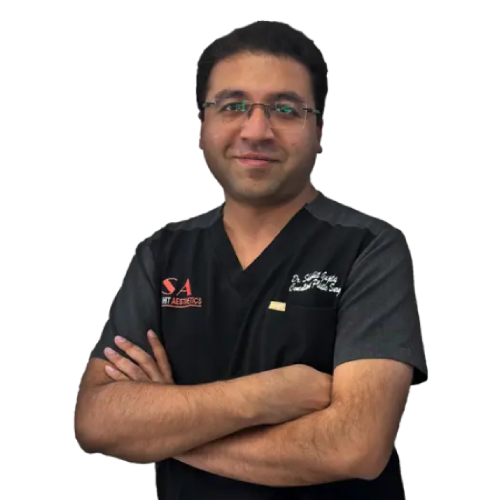
When you reach a point where diet and exercise have done their part, but stubborn pockets of fat remain, it is natural to consider clinical intervention. At Shobhit Aesthetics, we find that our patients aren't looking for "miracles" or "shortcuts." They are looking for a medically sound way to refine their proportions and feel more comfortable in their own skin.
However, because liposuction is one of the most common procedures worldwide, it is often trivialised in the media. It is sometimes spoken about as if it were a simple lunchtime beauty treatment. At our superspeciality centre in India, led by Dr. Shobhit Gupta, we take a different view. Liposuction is a significant surgical procedure. While it is highly effective, it also requires a clear discussion about safety, possible side effects, and what the recovery process may actually involve.
If you are considering fat removal surgery, this guide will help you understand the procedure in a detailed and transparent way, including the medical risks and the financial cost involved.
What Exactly is Liposuction?
Liposuction is a surgical technique used to remove specific areas of fat that are resistant to traditional weight-loss methods. It is most commonly performed on the abdomen, hips, thighs, buttocks, arms, or under the chin.
It is important to clarify a common misconception: liposuction is not a weight-loss tool. It is a contouring procedure. We use it to reshape the body, not to reduce the number on the scale significantly. Patients who see the best results are usually at or near their ideal body weight but have localised deposits that create an out-of-proportion appearance.
Is Liposuction Safe?
The short answer is yes, when performed by a qualified plastic surgeon in a sterile, accredited medical facility. However, safety is considered one of the partnerships between the surgeon’s skill and the patient’s health.
At Shobhit Aesthetics, safety is treated as a priority from the very beginning of the treatment procedure. Before any treatment is recommended, a detailed medical evaluation is conducted to understand the overall health condition of the patient and the suitability of the treatment for the patient. At this stage, the medical experts evaluate various critical conditions of the patient, including heart health, skin conditions, and medical history. When surgery takes place under proper medical supervision in a controlled clinical setting, the likelihood of serious complications is generally low.
Understanding Liposuction Side Effects
Like any surgery, your body will react to the intervention. It is vital to distinguish between expected side effects (which are part of the healing process) and actual liposuction complications.
Common, Expected Side Effects
After the procedure, almost every patient will experience:
While we strive for perfection in every procedure, medical ethics require us to be honest about the potential cosmetic surgery liposuction risks. Being informed allows you to monitor your recovery more effectively and catch any issues early.
1. Contour Irregularities
Sometimes, the skin may appear withered, wavy, or bumpy. This can happen if you have poor skin elasticity or if the fat removal is uneven. While advanced techniques reduce this risk, it is a possibility that every patient should be aware of.
2. Infection
Any time the skin is punctured during a procedure, there is a possibility of infection. To reduce this risk, the surgery is carried out in a sterile clinical environment, and preventive antibiotics may be prescribed. Following proper post-operative care and maintaining good hygiene during recovery also play an important role in supporting safe healing.
3. Seroma (Fluid Accumulation)
Sometimes, pockets of fluid can form under the skin. These may need to be drained by the surgeon using a needle. Wearing your compression garment as instructed is the best way to prevent this.
4. Fat Embolism (Rare)
This is a serious complication where pieces of loosened fat may enter the bloodstream and lodge in the lungs or brain. While extremely rare in the hands of an experienced surgeon, it is a risk associated with large-volume fat removal.
5. Lidocaine Toxicity
Lidocaine is often used during the procedure to manage pain. While safe in controlled doses, in very rare circumstances, it can cause toxicity. This is why having a qualified anaesthetist and surgeon is non-negotiable.
6. Swelling and Bruising
Swelling and bruising are among the most common and expected reactions after liposuction. Because the procedure involves removing fat through small cannulas inserted under the skin, surrounding tissues may become inflamed. This can lead to visible swelling and discoloration in the treated area. In most cases, these symptoms gradually reduce within a few weeks, although mild swelling may persist for a few months. Wearing compression garments and following post-operative care instructions can significantly help in reducing swelling and speeding up recovery.
7. Temporary Numbness
Some patients may experience numbness or reduced sensation in the treated area after surgery. This happens because small nerve endings in the skin can become irritated or temporarily affected during the procedure. In most cases, sensation gradually returns as the nerves heal over the following weeks or months. However, in rare cases, numbness may last longer.
8. Skin Discoloration
After liposuction, the skin in the treated area may appear slightly darker or uneven in color. This condition, known as hyperpigmentation, can occur due to bruising, inflammation, or sensitivity during the healing process. The discoloration is usually temporary and fades gradually as the skin heals.
9. Loose or Sagging Skin
In some patients, especially those with reduced skin elasticity, the skin may not fully tighten after fat removal. This can lead to mild sagging or looseness in the treated area. Younger patients with firm skin typically experience better natural tightening. In cases where skin laxity is significant, additional procedures such as skin tightening treatments may be recommended.
10. Persistent Swelling (Edema)
Although swelling is expected after surgery, in some cases it may persist longer than usual. This condition is known as edema and may last several weeks or even months before completely resolving. Proper compression, hydration, and gentle movement during recovery can help the body reduce fluid retention more effectively.
11. Changes in Skin Sensitivity
Some patients report increased sensitivity or tingling in the treated areas during the healing process. This occurs as nerve endings regenerate and the skin adapts to the new contour of the body. These sensations are generally temporary and fade gradually over time.
12. Blood Clots
Although uncommon, blood clots can form in the veins after surgery, particularly if the patient remains inactive for long periods. This condition is known as deep vein thrombosis (DVT). To reduce this risk, doctors often recommend light walking soon after surgery to improve circulation.
13. Burns from Surgical Devices
Certain liposuction techniques that use ultrasound, laser, or heat-based technology carry a small risk of burns to the skin or surrounding tissues. This risk is significantly reduced when the procedure is performed by a skilled and experienced surgeon using approved medical equipment.
14. Asymmetry in Body Contours
In some cases, the treated areas may appear slightly uneven or asymmetrical after healing. This can occur if fat removal differs slightly between two sides of the body or if swelling affects areas unevenly during recovery. Minor asymmetry can sometimes improve over time, while corrective treatments may be suggested if necessary.
15. Delayed Healing
Some patients may experience slower healing due to factors such as smoking, poor circulation, or underlying medical conditions. Delayed healing can increase the risk of infection or scarring, which is why following the surgeon’s pre- and post-operative instructions is extremely important.
Who is the Ideal Candidate for Liposuction?
One of the most important factors that determines the success of liposuction is patient selection. Contrary to popular belief, liposuction is not suitable for everyone who wants to lose weight. Instead, it is designed for individuals who already maintain a relatively healthy lifestyle but struggle with localized fat deposits that do not respond to diet or exercise.
The ideal candidate for liposuction usually has the following characteristics:
Stable Body Weight
Patients who are within 10–15% of their ideal body weight typically see the best outcomes from liposuction. Because the procedure focuses on body contouring rather than weight reduction, individuals who are significantly overweight may require lifestyle modifications before considering surgery.
Good Skin Elasticity
Skin elasticity plays a major role in determining the final results. After fat is removed, the skin must contract and adapt to the new body shape. Younger patients or individuals with naturally firm skin often achieve smoother contours. In cases where the skin is loose or sagging, additional procedures such as a tummy tuck may be recommended.
Overall Good Health
Patients must be in good general health to safely undergo surgery. Conditions such as uncontrolled diabetes, severe heart disease, or clotting disorders may increase surgical risks. During the consultation process, the surgeon evaluates the patient’s medical history, medications, and lifestyle habits to ensure safety.
Realistic Expectations
Liposuction can significantly improve body contours, but it is important for patients to maintain realistic expectations. The procedure enhances proportions and shape, but it does not completely transform body structure or replace healthy habits.
Non-Smokers or Those Willing to Quit
Smoking reduces blood circulation and slows the healing process. For this reason, surgeons strongly advise patients to stop smoking at least several weeks before and after surgery.
Ultimately, the best candidates for liposuction are individuals who want to refine specific areas of their body and are committed to maintaining the results through healthy lifestyle choices.
Areas of the Body That Can Be Treated with Liposuction
Liposuction is a versatile procedure that can target multiple areas of the body where stubborn fat tends to accumulate. While the abdomen is the most common treatment area, modern techniques allow surgeons to sculpt several parts of the body safely and effectively.
Abdomen and Waist
The abdominal area is one of the most frequently treated zones. Many people struggle with persistent belly fat even after significant weight loss. Liposuction can remove these deposits and create a more defined waistline.
Thighs
Fat accumulation in the inner and outer thighs can create discomfort and imbalance in body proportions. Liposuction helps reshape the thighs, making them appear slimmer and more proportionate to the rest of the body.
Hips and Love Handles
Fat around the hips, often referred to as “love handles,” can make clothing fit awkwardly. Liposuction can contour this area to create a smoother transition between the waist and hips.
Arms
Excess fat in the upper arms may cause them to appear bulky or saggy. Liposuction can refine this area, especially when combined with skin tightening procedures if necessary.
Chin and Neck
Small fat deposits under the chin can create the appearance of a double chin, even in individuals who are otherwise slim. Chin liposuction is a popular option for improving facial definition and creating a sharper jawline.
Back and Bra Line
Fat deposits along the back or near the bra line can be difficult to reduce through exercise alone. Liposuction helps smooth these areas and improve the overall contour of the upper body.
By targeting these specific areas, liposuction allows surgeons to create a more balanced and sculpted body shape, helping patients achieve proportions that are difficult to accomplish through lifestyle changes alone.
Different Types of Liposuction Techniques
Over the years, liposuction technology has evolved significantly. Modern procedures use advanced techniques that improve precision, reduce trauma to surrounding tissues, and shorten recovery times.
Tumescent Liposuction
This is one of the most commonly used techniques. A special solution containing saline, lidocaine, and epinephrine is injected into the treatment area before fat removal. This fluid helps numb the area, reduce bleeding, and make fat easier to remove.
Ultrasound-Assisted Liposuction (UAL)
In this technique, ultrasound energy is used to break down fat cells before removal. The liquefied fat is then suctioned out using a cannula. UAL is particularly useful in fibrous areas such as the back or male chest.
VASER Liposuction
VASER is a more advanced form of ultrasound-assisted liposuction. It selectively targets fat cells while preserving surrounding tissues such as nerves and blood vessels. This often results in less bruising and smoother contouring.
Laser-Assisted Liposuction
Laser energy is used to liquefy fat cells before extraction. An additional advantage of this technique is that the heat generated by the laser may stimulate collagen production, which can help tighten the skin slightly.
Power-Assisted Liposuction (PAL)
PAL uses a specialised cannula that vibrates rapidly, allowing the surgeon to remove fat more efficiently with minimal effort. This technique can improve precision and reduce procedure time.
Each technique has its own advantages, and the choice depends on factors such as the area being treated, the amount of fat to be removed, and the patient’s skin quality. An experienced surgeon will recommend the most appropriate method during the consultation.
The Recovery Journey: A Serious Commitment
One of the most significant parts of liposuction recovery is what happens after you leave the clinic. We treat recovery with the same level of clinical importance as the surgery itself.
The First 48 Hours
You will likely feel groggy and sore. You must have someone to drive you home and stay with you for the first night. We encourage gentle walking around the house to keep your blood circulating, but rest is the priority.
Weeks 1 to 2: The "Compression" Phase
You will be required to wear a medical-grade compression garment 24/7. This garment is not optional. It applies even pressure to the treated area, reducing swelling and helping the skin adhere to the new underlying contours. Most patients can return to a sedentary office job after 5 to 7 days, depending on the extent of the surgery.
Weeks 3 to 6: Gradual Activity
By this stage, most of the visible bruising has usually reduced, although some swelling may still be present. Light activities such as brisk walking can normally be resumed. However, strenuous workouts, heavy lifting, and high-impact sports should still be avoided until Dr. Gupta confirms during the follow-up visit that it is safe to do so.
Month 3 and Beyond
This is when you start to see the "real" results. The residual internal swelling has subsided, and the skin has begun to tighten. By the six-month mark, your new contour should be fully established.
Liposuction Cost: An Investment in Excellence
When researching liposuction, you will notice prices vary widely. While the lowest price is tempting, cost should never be the sole factor for a surgical procedure.
At Shobhit Aesthetics, the final cost depends on several key variables:
- Surgeon’s Experience: Fees reflect the years of specialized training and high success rates of a board-certified expert.
- Facility Standards: Pricing includes access to a sterile, well-equipped surgical center with advanced safety systems and trained medical staff.
- Procedure Scope: Costs vary by area; treating small zones like the chin requires less time and resources than larger areas like the abdomen or back.
- Technology Used: Advanced techniques like VASER or Power-Assisted Liposuction (PAL) may influence the total investment compared to traditional methods.
- Anaesthesia and Post-Op Care: Including all follow-up visits and garments.
We provide a detailed, transparent quote after your physical consultation. We believe in being upfront about costs so you can make an informed financial decision without hidden "add-ons" later.
Getting Ready for Your Procedure: The Clinical Approach
To keep you as safe as possible during and after your surgery, we require all our patients to follow these medical guidelines strictly:
- Stopping Smoking: You will need to quit smoking at least 3 to 4 weeks before and after your surgery. Nicotine narrows your blood vessels, which starves your tissues of oxygen and significantly increases the risk of skin death (necrosis) or wounds that simply won't heal.
- Checking Your Medications: We will go through your current prescriptions together. You must stop taking blood thinners, certain herbal supplements, and anti-inflammatory tablets like aspirin, as these can cause dangerous levels of bleeding during the operation.
- Maintaining a Stable Weight: Liposuction is most effective when your weight has been steady for at least three months. Significant fluctuations right before or after surgery can compromise your final results.
Long-Term Results and Maintaining Your New Body Shape
One of the most appealing aspects of liposuction is that the results can be long-lasting. Once fat cells are removed from the treated area, they do not regenerate. However, maintaining the results requires ongoing lifestyle commitment.
Healthy Eating Habits
A balanced diet plays a crucial role in maintaining liposuction results. While the procedure removes existing fat cells, the remaining fat cells can still expand if calorie intake consistently exceeds energy expenditure.
Regular Exercise
Incorporating regular physical activity helps maintain body weight and improve muscle tone. Activities such as strength training, cardio workouts, and yoga can contribute to overall body balance and long-term results.
Weight Stability
Significant weight gain after liposuction may cause fat to accumulate in other areas of the body. Maintaining a stable weight ensures that the body contour achieved through surgery remains visible.
Skin Care and Hydration
Healthy skin adapts better to the new contours created during surgery. Proper hydration, skincare routines, and avoiding excessive sun exposure can support skin elasticity.
Follow-Up Consultations
Regular follow-up appointments with the surgeon allow medical professionals to monitor healing and ensure that the results remain optimal.
Patients who maintain a healthy lifestyle often enjoy their liposuction results for many years, making it a long-term investment in both appearance and confidence.
Liposuction vs Non-Surgical Fat Reduction Treatments
In recent years, several non-surgical body contouring treatments have become popular alternatives to liposuction. While these treatments can reduce small amounts of fat, they work very differently from surgical procedures.
Non-Surgical Fat Reduction
Technologies such as cryolipolysis (fat freezing), radiofrequency, and ultrasound therapy aim to destroy fat cells without surgery. These treatments are usually painless and require little to no downtime.
However, the results are typically subtle and gradual. Patients may require multiple sessions over several months to see noticeable changes.
Liposuction
Liposuction, on the other hand, physically removes fat cells during a single surgical procedure. This allows for more dramatic and immediate contouring results. It is particularly effective for individuals who want precise sculpting of specific body areas.
Comparing the Two Approaches
Non-surgical treatments are best suited for:
-
Individuals with small fat pockets
-
Patients seeking minimal downtime
-
Those who prefer non-invasive options
Liposuction is better suited for:
-
Patients with larger fat deposits
-
Individuals seeking more defined contouring
-
Cases where immediate results are desired
Both approaches have their advantages, and the choice depends on the patient’s goals, body type, and expectations.
Why Shobhit Aesthetics?
At Shobhit Aesthetics, we are not a "quick-fix" clinic. We are a medical destination for those who value their health as much as their appearance.
Dr. Shobhit Gupta brings a level of precision and anatomical knowledge that only a qualified plastic surgeon can offer. We often tend to avoid high-pressure sales tactics. Instead, we make sure to offer a professional environment where your questions are answered with clinical honesty. We want you to choose surgery because it is the right medical decision for you, not because of a promotional offer.
Summary Table: Liposuction at a Glance
|
|
|
|
|
|
|
|
|
|
|
|
|
|
|
|
|
|
|
|
|
Final Thoughts
Liposuction is a transformative procedure that can resolve years of body image frustration. However, it should never be entered lightly. By understanding the liposuction side effects, respecting the recovery timeline, and choosing a medically credible surgeon, you can achieve the results you desire with the safety you deserve.
Your body is a permanent vessel; it deserves the highest standard of surgical care.
Frequently Asked Questions (FAQs):-
1. Is liposuction safe?
Yes, liposuction is generally safe when performed by a qualified and experienced plastic surgeon in a certified medical facility. Proper patient evaluation, sterile surgical conditions, and professional post-operative care significantly reduce the risk of complications.
2. What are the risks of liposuction?
Some common risks include swelling, bruising, infection, contour irregularities, and temporary numbness. Serious complications are rare but can occur if the procedure is not performed under proper medical supervision.
3. How long is liposuction recovery?
Most patients can return to normal desk work within 5 to 7 days after surgery. However, full recovery and visible final results can take 3 to 6 months, depending on the body’s healing process.
4. Can liposuction cause complications?
Yes, like any surgical procedure, liposuction can have complications such as infection, fluid accumulation (seroma), or uneven contours. These risks are minimized when the surgery is performed by an experienced surgeon.
5. Are liposuction results permanent?
Yes, the fat cells removed during liposuction do not grow back. However, maintaining a healthy lifestyle with balanced nutrition and exercise is important to preserve the results.
6. Who is an ideal candidate for liposuction?
An ideal candidate for liposuction is someone who is close to their ideal body weight but has stubborn fat deposits that do not respond to diet and exercise. Good skin elasticity and overall good health also help in achieving better results.
7. How much fat can be removed during liposuction?
The amount of fat removed depends on the patient's body type and health condition. In most cases, surgeons remove between 2 to 5 litres of fat safely, depending on the treatment area and medical guidelines.
8. Does liposuction leave scars?
Liposuction requires very small incisions to insert the cannula. These incisions usually leave minimal scars, which tend to fade over time and are often placed in less visible areas.
9. Is liposuction painful?
The procedure itself is performed under local anaesthesia with sedation or general anaesthesia, so patients do not feel pain during surgery. Some soreness, swelling, and mild discomfort can occur during the recovery phase, which typically improves within a few days.
10. How long do liposuction results last?
Liposuction results can be long-lasting or permanent because the fat cells removed during the procedure do not grow back. However, maintaining a healthy diet and regular exercise is important to prevent new fat accumulation.
11. Can liposuction tighten loose skin?
Liposuction primarily removes fat and does not significantly tighten loose skin. Patients with poor skin elasticity may require additional procedures such as skin tightening or body contouring surgery for optimal results.
12. When can I see visible results after liposuction?
Some improvement can be noticed once the initial swelling reduces, usually within 3 to 4 weeks. However, the final results become more visible after 3 to 6 months, once the body has fully healed.
13. Can liposuction be combined with other cosmetic procedures?
Yes, liposuction is often combined with other procedures such as tummy tuck, fat grafting, or body contouring treatments to achieve more balanced and comprehensive results.
14. Is liposuction suitable for weight loss?
No, liposuction is not designed for weight loss. It is meant for body contouring and shaping areas where fat deposits are resistant to traditional weight-loss methods.
15. What areas of the body can be treated with liposuction?
Liposuction can treat several areas including the abdomen, thighs, hips, back, arms, buttocks, chin, neck, and love handles.
16. How soon can I return to exercise after liposuction?
Light walking is usually recommended immediately after surgery to improve circulation. However, intense workouts and heavy lifting should be avoided for about 4 to 6 weeks, depending on your surgeon’s advice.
17. Do I need to wear compression garments after liposuction?
Yes, wearing a medical compression garment after liposuction is essential. It helps reduce swelling, improves healing, and allows the skin to adapt to the new body contours.
18. Can fat return after liposuction?
The removed fat cells do not regenerate. However, if a patient gains significant weight after surgery, remaining fat cells in the body can expand, which may affect the final contour.
19. How long does the liposuction procedure take?
The duration of liposuction depends on the number of treatment areas. Typically, the procedure can take between 1 to 3 hours.
20. What should I avoid after liposuction surgery?
Patients are advised to avoid smoking, alcohol, strenuous exercise, and blood-thinning medications during the early recovery phase to reduce complications and support proper healing.