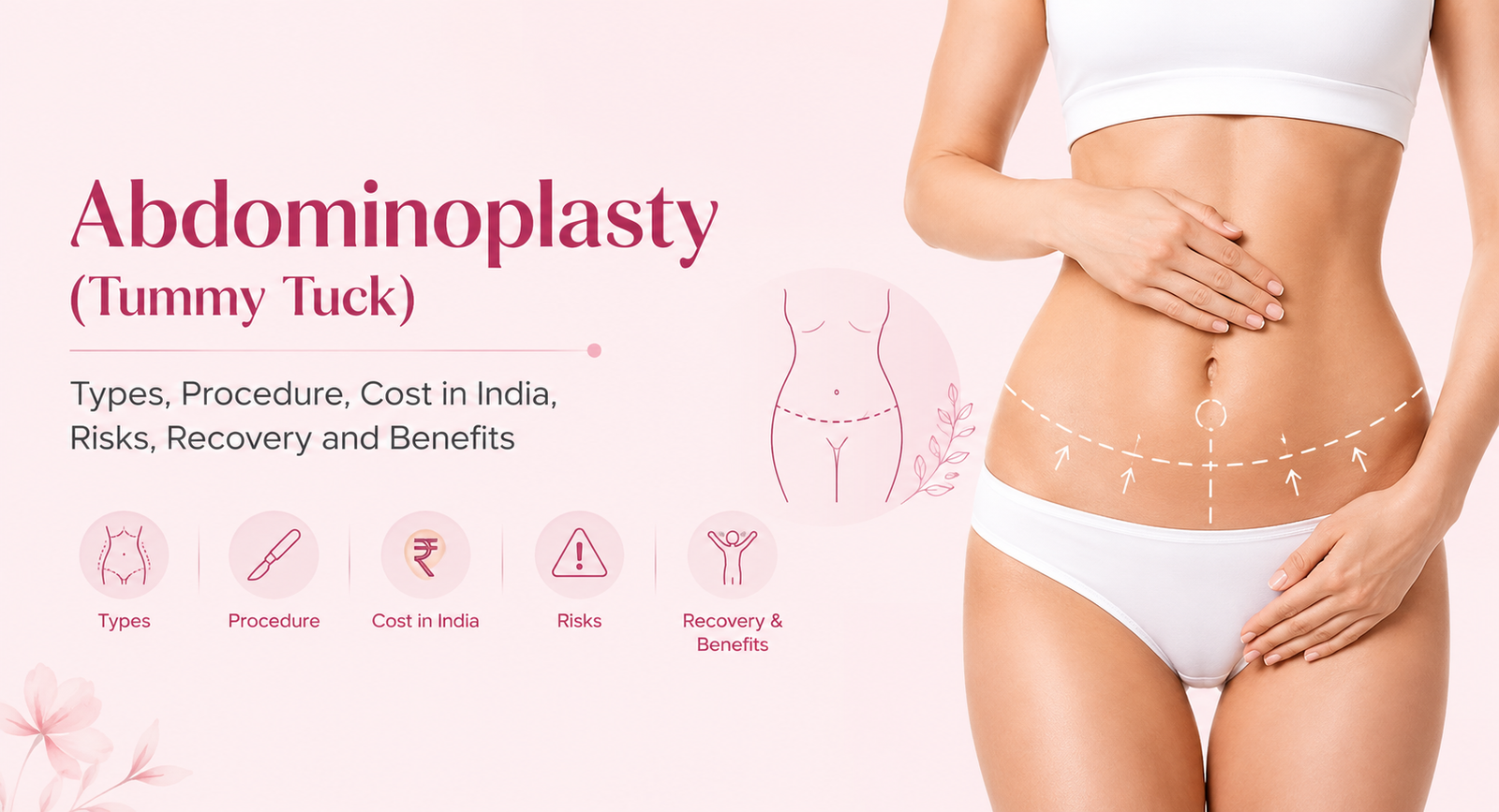
A flat and firm-looking abdomen is something many people aim for through diet and exercise. However, significant weight loss, pregnancy, ageing and changes in the skin can sometimes leave behind loose abdominal skin or weakened abdominal muscles that cannot be corrected through exercise alone.
This is where a Tummy Tuck, medically known as abdominoplasty, may be considered. A Tummy Tuck Procedure is a surgical body contouring procedure designed to remove excess skin and, in suitable cases, improve the appearance of the abdominal area. Depending on the individual's needs, the procedure may also involve addressing separation or weakness in the abdominal muscles and removing excess fat in combination with other techniques.
In this guide, we explain the different types of tummy tuck procedures, how Abdominoplasty Surgery is performed, who may be a suitable candidate and the benefits and results patients can expect.
What Is a Tummy Tuck?
A Tummy Tuck is a surgical procedure that reshapes the abdominal area by removing excess skin and, where appropriate, addressing underlying tissues and muscles.
The exact procedure can vary significantly from one patient to another. Some people may only require limited Abdominal Skin Removal, while others may require a more extensive procedure to address a larger area of loose skin.
The treatment plan depends on factors such as:
- The amount and location of excess skin
- Skin elasticity
- Abdominal muscle condition
- Presence of excess fat
- Previous pregnancies
- Previous abdominal surgeries
- Overall body shape and treatment goals
During a consultation, the surgeon assesses these factors to determine which type of abdominoplasty may be suitable.
Why Do People Choose Abdominoplasty?
There are several reasons why a person may consider Abdominoplasty Surgery.
One of the most common concerns is loose or hanging abdominal skin. This can occur after significant weight loss or pregnancy, when the skin may not completely return to its previous level of tightness.
Some people may also experience changes in their abdominal muscles following pregnancy or weight fluctuations. Even with regular exercise, certain structural changes cannot always be corrected through workouts alone.
People may consider a tummy tuck to address:
- Excess or loose abdominal skin
- A lower abdominal bulge caused by loose tissue
- Changes after pregnancy
- Changes following significant weight loss
- Reduced firmness in the abdominal area
- Concerns about overall abdominal contour
A tummy tuck should not be viewed as an alternative to weight loss. Patients are generally encouraged to achieve a stable and maintainable weight before considering surgery.
Different Types of Tummy Tuck
There is no single type of tummy tuck that is suitable for everyone. The extent of the procedure depends on the amount of correction required and the individual's anatomy.
Mini Tummy Tuck
A mini tummy tuck is generally suitable for people with a smaller amount of loose skin, mainly located below the belly button.
The procedure is less extensive than a full abdominoplasty and focuses primarily on the lower abdomen.
A mini tummy tuck may be considered when the concern is limited to:
- Mild excess lower abdominal skin
- A small lower abdominal bulge
- Localised changes below the navel
However, suitability depends on individual anatomy and a surgeon's assessment.
Full Tummy Tuck
A full tummy tuck addresses a larger area of the abdomen. It may involve removing excess skin from the abdominal region and addressing underlying muscle separation or laxity where required.
In many cases, the belly button may also need to be repositioned as part of the procedure.
A full tummy tuck may be considered for individuals with more significant:
- Loose skin
- Changes after pregnancy
- Changes following major weight loss
- Abdominal muscle laxity
The procedure is more extensive than a mini tummy tuck, and the Tummy Tuck Recovery period may also be longer.
Who Is a Suitable Candidate for a Tummy Tuck?
A person considering a Tummy Tuck should undergo a detailed consultation to determine whether the procedure is appropriate.
You may be considered a suitable candidate if you:
- Have loose or excess abdominal skin
- Are close to a stable body weight
- Are in good general health
- Have realistic expectations
- Do not plan significant future weight fluctuations
- Have concerns about abdominal contour that cannot be addressed through lifestyle changes alone
Women who are planning future pregnancies may also want to discuss the timing of surgery with their surgeon, as pregnancy can affect the results achieved through abdominoplasty.
A consultation allows the surgeon to assess your individual anatomy and discuss whether a tummy tuck, liposuction or another body contouring approach may be more appropriate.
What Happens Before Tummy Tuck Surgery?
Before undergoing Abdominoplasty Surgery, patients usually attend a detailed consultation and pre-operative assessment.
The surgeon may discuss:
- Your medical history
- Current medications
- Previous surgeries
- Any allergies
- Weight stability
- Smoking habits
- Pregnancy history, where relevant
- Your expectations and desired outcome
You may also receive specific instructions about medications, smoking, eating and drinking before surgery.
Being honest and open about your medical history is important, as this helps the surgical team plan the procedure safely.
The consultation is also the right time to discuss concerns about scars, recovery, possible complications and expected results.
Tummy Tuck Before and After: What Results Can You Expect?
When researching a Tummy Tuck, before-and-after results can help patients understand the type of changes that may be possible.
After surgery, the abdominal area may appear flatter and more contoured. However, the final results are not visible immediately.
Swelling, bruising and changes in sensation can occur during the healing period. The tissues need time to settle, and the scars also continue to mature over time.
Depending on the individual's treatment plan, results may include:
- A flatter-looking abdominal profile
- Reduction in loose or hanging skin
- Improved body contours
- A smoother lower abdominal area
- Improvement in the appearance of the abdomen after pregnancy or weight loss
Results vary from person to person. The final outcome depends on factors such as skin quality, the extent of the procedure, healing and future lifestyle changes.
A successful result is not about achieving a completely unrealistic body shape. The aim of Abdominoplasty Surgery is to create a more balanced and proportionate abdominal contour based on the individual's natural anatomy.
Tummy Tuck Recovery: What to Expect
Tummy Tuck Recovery is an important part of the overall treatment journey. Since abdominoplasty is a surgical procedure involving the removal of excess skin and, in some cases, repair of the abdominal muscles, the body needs adequate time to heal.
Recovery can vary depending on the type of tummy tuck performed, the extent of the surgery, the patient's general health and whether other procedures were performed at the same time.
The First Few Days
During the initial days after surgery, patients may experience:
- Swelling and bruising
- Pain or discomfort
- Tightness around the abdominal area
- Temporary difficulty standing fully upright
- Reduced mobility
Pain medication may be prescribed to help manage discomfort. Patients are usually encouraged to follow their surgeon's instructions regarding movement, rest and wound care.
The First One to Two Weeks
During this stage, patients generally begin to feel more comfortable, although swelling and tightness may still be present.
Light movement may be encouraged to support circulation, but strenuous activities and heavy lifting should be avoided.
Depending on the nature of their work and individual recovery, some patients may gradually return to light daily activities during this period.
The Following Weeks
As healing progresses, swelling gradually reduces, and patients may begin to feel more mobile and comfortable.
Your surgeon will advise you about when you can safely return to:
- Exercise
- Heavy lifting
- Driving
- More demanding physical activities
Recovery should not be rushed. Even when the outside of the body appears to be healing well, deeper tissues may still require additional time.
How Much Does a Tummy Tuck Cost in India?
The Tummy Tuck Cost in India can vary significantly depending on the individual treatment plan.
The final cost may be influenced by factors such as:
- The type of tummy tuck required
- The extent of Abdominal Skin Removal
- Whether muscle repair is required
- Whether other procedures are performed alongside the tummy tuck
- Hospital or surgical facility charges
- Anaesthesia charges
- Surgeon's fees
- Post-operative care and follow-up requirements
For example, a mini tummy tuck and a more extensive abdominoplasty may involve different levels of surgical complexity and therefore different costs.
The most accurate way to understand the Tummy Tuck Cost is through a personal consultation. After assessing your concerns, body anatomy and treatment requirements, the surgical team can provide a clearer understanding of the procedure and associated costs.
It is important not to choose a surgical procedure based on price alone. Surgeon qualifications, patient safety, surgical planning and post-operative care should all be important considerations.
Risks and Possible Side Effects of a Tummy Tuck
Like any major surgical procedure, a Tummy Tuck involves potential risks and complications.
Common temporary side effects may include:
- Swelling
- Bruising
- Pain or discomfort
- Tightness in the abdominal area
- Temporary numbness or changes in skin sensation
Possible surgical risks may include:
- Infection
- Bleeding
- Fluid accumulation
- Delayed wound healing
- Changes in skin sensation
- Noticeable or unfavourable scarring
- Skin irregularities
- Asymmetry
- Blood clots
- Anaesthesia-related complications
The level of risk can vary depending on the patient's health, the extent of surgery and other individual factors.
A detailed pre-operative assessment and careful surgical planning are important parts of reducing potential complications.
How to Support a Smooth Tummy Tuck Recovery
Following the right aftercare plan can support the healing process and help reduce unnecessary complications.
Follow Your Surgeon's Instructions
Your surgeon will provide personalised instructions regarding medication, wound care, activity levels and follow-up appointments.
These instructions should be followed carefully throughout your Tummy Tuck Recovery.
Wear Compression Garments if Advised
Compression garments may be recommended after surgery to support the healing area and help manage swelling.
Always wear them according to your surgeon's instructions.
Avoid Heavy Physical Activity
Your body needs time to recover. Avoid heavy lifting, strenuous exercise and intense physical activities until your surgeon confirms that it is safe to resume them.
Maintain a Healthy Diet and Hydration
A balanced diet and proper hydration can support the body's healing process. Your surgeon may also provide specific dietary guidance based on your recovery.
Attend Follow-Up Appointments
Follow-up appointments allow your surgeon to monitor the healing process and address any concerns.
If you experience unusual symptoms or have concerns about your recovery, contact your surgical team promptly.
Why Choose Shobhit Aesthetics for a Tummy Tuck?
A Tummy Tuck Procedure is not simply about removing excess skin. Every patient has a different body shape, degree of skin laxity and individual aesthetic goal.
At Shobhit Aesthetics, the journey begins with a detailed consultation and assessment. The surgeon evaluates the abdominal area, skin quality, underlying muscle condition and overall body proportions before recommending a personalised treatment plan.
As a Plastic Surgery Superspeciality Centre, Shobhit Aesthetics focuses on careful surgical planning, patient safety and natural-looking body contouring. Whether a patient requires limited Abdominal Skin Removal or a more extensive Abdominoplasty Surgery, the treatment approach is planned according to their individual needs.
The focus extends beyond the surgery itself. From pre-operative guidance to Tummy Tuck Recovery and follow-up care, patients receive support throughout their treatment journey.
The aim is to help patients make informed decisions while working towards a balanced and proportionate abdominal contour.
Conclusion
A Tummy Tuck can be an effective option for people struggling with loose abdominal skin or changes in abdominal contour after pregnancy, significant weight loss or other body changes. Different types of Abdominoplasty Surgery are available, and the right approach depends on the individual's anatomy and treatment requirements.
Before undergoing surgery, it is important to understand the procedure, recovery process, possible risks and realistic expectations. A detailed consultation can help determine whether a tummy tuck is suitable and which treatment approach may best address your concerns.
At Shobhit Aesthetics, each Tummy Tuck Procedure is planned around the patient's individual body structure and goals. With personalised surgical planning, appropriate aftercare and careful follow-up, the aim is to achieve a natural-looking abdominal contour while prioritising patient safety and long-term wellbeing.
Frequently Asked Questions
What is a tummy tuck?
A Tummy Tuck, also known as abdominoplasty, is a surgical procedure that removes excess abdominal skin and reshapes the abdominal area. In suitable cases, underlying abdominal muscles may also be repaired.
How long does tummy tuck recovery take?
Initial recovery generally takes several weeks, while swelling and deeper tissue healing can continue for several months. The exact recovery period depends on the type and extent of the procedure.
How much does a tummy tuck cost in India?
The Tummy Tuck Cost in India varies depending on the type of procedure, extent of surgery, surgeon's fees, hospital charges, anaesthesia and post-operative care. A personal consultation is required to determine an accurate cost.
Is a tummy tuck permanent?
The removal of excess skin is permanent, but future weight changes, pregnancy and natural ageing can affect the appearance of the abdomen over time.
What are the risks and side effects of a tummy tuck?
Common side effects include swelling, bruising, discomfort and temporary numbness. Possible risks include infection, bleeding, fluid accumulation, scarring, delayed healing, blood clots and anaesthesia-related complications.