Changes in the abdominal region have been an issue for many people at various stages of their lives. For instance, pregnancy, weight gain or loss, aging, and genetic factors have been cited as the main factors that cause changes in the abdominal region. Some people have excess fat that they have been unable to eliminate despite their best efforts at dieting and exercising. On the other hand, other people have concerns about the loose skin in the abdominal region, which they have been unable to eliminate despite their best efforts.
As a result, many people have opted for surgeries that can help improve the shape of the stomach. In the process, one of the surgeries that has been cited as an option is the comparison between Tummy Tuck vs. Liposuction. At first glance, the two surgeries may appear to be the same, considering that they deal with the abdominal region. However, the two surgeries deal with two very different issues.
The purpose of this blog is to educate readers on the two surgeries, who they may be appropriate for, and what they can expect from the two surgeries.
Understanding the Difference Between Tummy Tuck and Liposuction
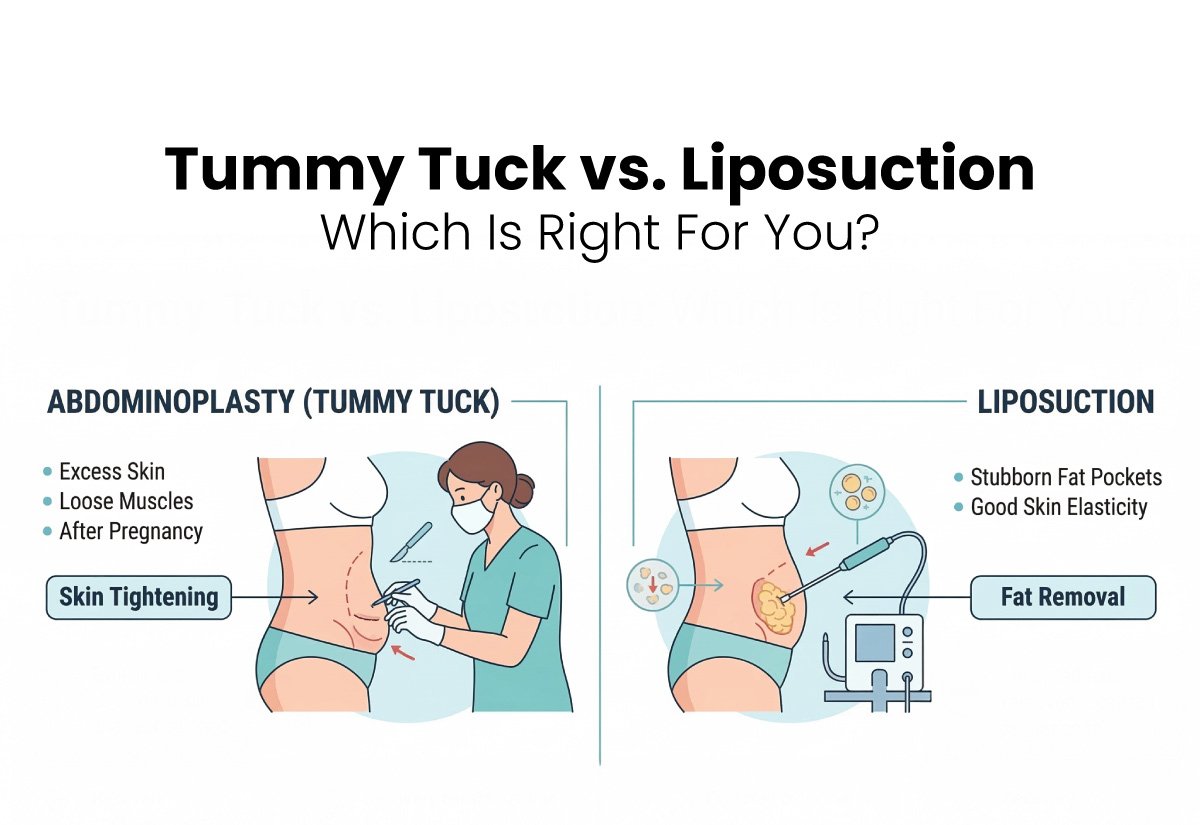
Most people who have been researching abdominal surgeries believe that the two surgeries have the same purpose. However, despite the two surgeries being mentioned together, they have two very different objectives. For instance, the main objective of a tummy tuck is to remove excess skin and tighten the abdominal muscles. On the other hand, the main purpose of the Liposuction is to tighten the muscles under the stomach. As such, the two surgeries have two very different objectives. For instance, the Tummy Tuck is usually considered in cases where the abdominal skin is stretched beyond its limits. Such cases may have resulted from pregnancy or excessive weight loss.
On the other hand, liposuction is more focused on the removal of fat deposits in particular areas of the body. This type of procedure is usually used to deal with cases where an individual has accumulated fat that is not easily reduced with dieting or exercise. This procedure is used to shape the body by getting rid of the accumulated fat deposits.
In other words, liposuction is used to deal with cases of excessive fat in the body, while tummy tuck surgery is used to deal with cases of loose skin and weak muscles in the abdominal region. Since the two cases are different, the choice of procedure will depend on the condition of the skin, the amount of fat in the body, and other factors.
What Is a Tummy Tuck?
A tummy tuck is a surgical procedure that is used to improve the shape of the abdomen. This procedure is usually recommended to individuals with loose skin removal in the abdominal region that is not easily reduced with exercise or dieting.
During the procedure, the surgeon will seek to remove the skin in the lower abdomen to create a flat look. This procedure is medically known as the abdominoplasty procedure, which is the medical term used to refer to the surgical procedure that is used to shape the abdominal wall.
One of the main purposes of this procedure is to remove loose skin. In cases where the skin has been overstretched beyond its limit to return to its original shape, this procedure is usually used to help the individual achieve a smoother look in the stomach region.
This kind of surgery is usually contemplated by those who have experienced changes in their body due to pregnancy or those who have reduced significantly in weight and are left with extra skin around the abdomen.
What Is Liposuction?
Liposuction is a form of surgery used to remove extra fat deposits in certain areas of the body. Liposuction is usually performed on the abdomen, thighs, hips, arms, and back to improve body shape.
To perform liposuction, small incisions are made on the skin, and a small tube called a cannula is inserted into the incision sites. The cannula is then used to remove extra fat from under the skin. Liposuction performed on the stomach is called liposuction abdomen, as the extra fat is being removed in this particular area of the body.
This form of surgery is also included in body contouring surgery, as it is performed to improve body shape rather than reduce body weight.
When a Tummy Tuck May Be Recommended
A tummy tuck is usually recommended by doctors when the problem is related to extra skin or stretched abdominal muscles, rather than extra fat. This is usually experienced by those who have been pregnant or those who have reduced significantly in weight, as the skin and muscles tend to stretch further than their natural ability to revert to their original state.
Exercise and other lifestyle changes are essential for a healthy lifestyle, but they cannot reverse stretched skin or separate abdominal muscles.
Some common situations where this procedure may be recommended are:
- Loose or hanging skin after pregnancy: Pregnancy is known to stretch the abdominal muscles as well as the abdominal skin. In some cases, the abdominal skin does not tighten after childbirth. This results in folds or hanging of the abdominal skin.
- Too much skin after losing a lot of weight: In some cases, people end up losing a lot of weight, and the abdominal skin gets stretched due to the excess weight. Even after losing weight, the abdominal skin does not return to normal.
- Separated abdominal muscles: In some people, the abdominal muscles get separated due to pregnancy or weight gain. This results in a bulging stomach, and the person may end up looking fat, even if he or she is not.
- Difficulty in getting a flat stomach with exercises alone: In some people, the abdominal muscles and the abdominal skin may not get a flat stomach, despite exercising regularly.
When Liposuction May Be the Better Option
There are some situations where the main problem is not the loose abdominal skin, but the presence of fat in some regions of the body, which does not seem to reduce with a healthy lifestyle.
The most common areas where fat is usually deposited include the abdomen, the sides of the abdomen, and the stomach.
There are several factors that a person needs to consider before undergoing this procedure. Some of the situations where liposuction is recommended include:
- Localized fat in the abdominal area: There are individuals with fat deposits in the stomach area that remain even when they have attained a steady weight. Liposuction helps in the reduction of fat deposits to achieve an even shape.
- Steady Body Weight with Fat Deposits: Liposuction is also considered for people who have achieved their steady weight but still have fat deposits in certain areas of the body.
- Good Skin Elasticity: If the skin is elastic enough, the results of liposuction can be achieved.
- Wish for Refining Body Shape: Some people wish to improve the shape of their bodies, particularly the abdominal area.
Key Differences Between the Procedures
Although the two surgeries have the same end goal, which is to improve the appearance of the abdominal area, the areas of concern for the two surgeries differ. Understanding the differences between the two surgeries helps one determine which one is better suited for their needs.
Most Important Difference: Area of Concern
- Tummy tuck surgery: Focuses on the skin. This type of surgery is usually recommended for people who have excess skin, weakened muscles, or both. Excess skin is removed, and the muscles are tightened to achieve the desired look.
- Liposuction focuses on fat deposits: This type of surgery is usually recommended for people who have fat deposits despite their steady weight. Excess fat is removed, but the stretched skin is not tightened, nor is the abdominal muscle tightened.
Since the procedures are targeting different issues, the choice of procedure will depend on the condition of the skin and the abdominal wall.
Recovery and Healing
The process of healing is a critical part of the surgical process, and understanding the process of healing will help the patient know what to expect after undergoing the procedure.
After undergoing abdominal surgery, the patient is likely to experience swelling, bruising, and some level of discomfort in the first period of the healing process. However, the symptoms are likely to reduce gradually as the body heals.
The period of healing after undergoing procedures that involve the removal of the skin and repair of the muscles is likely to take a longer period, and the patient is advised to avoid lifting heavy objects and engaging in strenuous activities during this period.
It is essential to remember that the period of healing is different for different people, and the patient is advised to follow the after-surgery procedures to help the body heal faster.
The Science Behind Abdominal Changes
Understanding why the abdominal area changes over time can help people make informed decisions about treatment options. The abdomen is one of the most dynamic parts of the body. It expands during pregnancy, stores fat during weight gain, and often becomes the first place where signs of aging appear.
Several biological factors contribute to changes in the abdominal region:
Skin Elasticity
Skin contains collagen and elastin fibers that allow it to stretch and return to its original shape. Over time, these fibers weaken due to aging, hormonal changes, and lifestyle factors. When the skin stretches beyond its capacity—such as during pregnancy or rapid weight gain—it may not fully retract, resulting in loose or sagging skin.
Fat Distribution
Fat storage patterns vary from person to person. Some individuals tend to store fat primarily around the abdomen due to genetics and hormonal factors. This type of fat, especially subcutaneous fat located just beneath the skin, can sometimes be resistant to traditional weight-loss methods.
Muscle Separation (Diastasis Recti)
During pregnancy or significant weight gain, the abdominal muscles can stretch and separate. This condition, known as diastasis recti, weakens the abdominal wall and causes the stomach to protrude outward. Exercise alone often cannot repair this separation, which is why surgical intervention may be required.
These underlying biological factors explain why some individuals may benefit from liposuction while others require a tummy tuck procedure.
Who Is an Ideal Candidate for Liposuction?
Liposuction is not a weight-loss procedure; rather, it is a body contouring treatment designed to remove stubborn fat deposits that do not respond to diet and exercise.
Ideal candidates for liposuction typically have the following characteristics:
Stable Body Weight
People who maintain a stable weight but struggle with localized fat deposits may benefit most from liposuction.
Good Skin Elasticity
Since liposuction removes fat but does not tighten the skin, candidates should have good skin elasticity so that the skin can naturally contract after fat removal.
Healthy Lifestyle
Individuals who follow a healthy lifestyle and regular exercise routine tend to maintain the results of liposuction more effectively.
Realistic Expectations
Liposuction can improve body contour but will not dramatically change body weight or replace healthy habits.
When these criteria are met, liposuction can create smoother body proportions and improve overall body confidence.
Who Is an Ideal Candidate for a Tummy Tuck?
A tummy tuck, or abdominoplasty, is recommended for individuals whose main concern is loose skin or weakened abdominal muscles rather than excess fat alone.
Post-Pregnancy Changes
After pregnancy, many women experience stretched abdominal muscles and excess skin that does not return to its original state. A tummy tuck can help restore abdominal firmness by tightening muscles and removing excess skin.
Major Weight Loss
People who have lost a significant amount of weight often experience loose skin around the abdomen. This excess skin may cause discomfort, hygiene issues, or aesthetic concerns.
Abdominal Muscle Weakness
Separated abdominal muscles can create a persistent bulge in the stomach area. During a tummy tuck procedure, surgeons can repair these muscles and restore abdominal strength.
Good General Health
Candidates should be in good overall health and have stable weight before considering surgery.
A tummy tuck provides more dramatic transformation compared to liposuction because it addresses both skin and muscle concerns.
Can Liposuction and Tummy Tuck Be Performed Together?
In many cases, patients benefit from combining liposuction with a tummy tuck. These procedures complement each other by addressing different aspects of abdominal contouring.
Why Combination Procedures Are Common
- Liposuction removes stubborn fat deposits.
- A tummy tuck removes excess skin and tightens muscles.
- Combining both procedures allows surgeons to sculpt the abdomen more effectively.
For example, a patient who has both loose skin and excess fat may achieve the best results with a combined approach.
The surgeon will determine whether combining procedures is safe and appropriate based on the patient’s medical history and body condition.
Understanding the Surgical Process
Consultation
The first step involves a detailed consultation with a qualified plastic surgeon. During this stage, the surgeon will:
- Evaluate abdominal skin quality
- Assess fat distribution
- Examine muscle structure
- Review medical history
- Discuss treatment goals
Based on this evaluation, the surgeon will recommend the most suitable procedure.
Preparation
Before surgery, patients may be advised to:
- Avoid smoking for several weeks
- Stop certain medications that increase bleeding risk
- Maintain a stable weight
- Follow pre-surgical dietary instructions
Proper preparation helps reduce surgical risks and improves recovery outcomes.
How Long Do the Procedures Take?
Liposuction Procedure Duration
Most liposuction procedures take 1–3 hours, depending on the number of areas being treated.
Tummy Tuck Procedure Duration
A tummy tuck usually takes 2–4 hours because it involves skin removal and muscle repair.
If both procedures are performed together, surgery may take slightly longer.
Recovery Timeline After Surgery
Recovery varies depending on the procedure performed and the individual's healing ability.
Liposuction Recovery
- Most patients resume light activities within 3–5 days
- Swelling may persist for several weeks
- Compression garments are worn to support healing
- Final results appear gradually as swelling subsides
Tummy Tuck Recovery
- Initial recovery may take 2–3 weeks
- Patients should avoid strenuous activities for about 6 weeks
- Compression garments help support the abdomen during healing
Following post-operative instructions carefully plays a crucial role in achieving optimal results.
Long-Term Results and Maintenance
Both liposuction and tummy tuck procedures can provide long-lasting results when patients maintain a healthy lifestyle.
Maintaining Liposuction Results
Fat cells removed during liposuction do not return. However, remaining fat cells can expand if a person gains weight. Maintaining a balanced diet and regular exercise routine helps preserve the results.
Maintaining Tummy Tuck Results
Tummy tuck results are typically permanent, especially if the patient maintains stable weight and avoids future pregnancies.
Risks and Safety Considerations
Like any surgical procedure, tummy tuck and liposuction surgeries carry certain risks. However, these risks are minimized when procedures are performed by experienced surgeons in certified medical facilities.
Possible risks may include:
- Temporary swelling or bruising
- Infection
- Fluid accumulation
- Minor scarring
- Changes in skin sensation
Choosing a qualified surgeon and following medical advice carefully significantly reduces these risks.
Psychological Benefits of Abdominal Contouring
While cosmetic surgery primarily focuses on physical appearance, many patients report significant psychological benefits after abdominal procedures.
Improved Self-Confidence
Patients often feel more confident in clothing and social situations after achieving their desired body contour.
Motivation for Healthy Living
Many individuals become more motivated to maintain a healthy lifestyle after undergoing body contouring procedures.
Positive Body Image
Improving abdominal appearance can help individuals feel more comfortable with their bodies.
These psychological benefits contribute to overall quality of life.
Myths and Misconceptions About Liposuction and Tummy Tuck
There are several misconceptions surrounding these procedures.
Myth 1: Liposuction Is a Weight Loss Procedure
Liposuction is not designed for weight loss. It is a body contouring treatment that targets localized fat deposits.
Myth 2: Tummy Tuck Leaves Large Scars
Modern surgical techniques focus on minimizing scars and placing incisions in discreet areas that can be hidden under clothing.
Myth 3: Results Are Immediate
Although improvements can be seen after surgery, final results take time to appear as swelling gradually reduces.
Understanding these facts helps patients set realistic expectations.
Lifestyle Tips for Maintaining a Flat Abdomen
Whether or not someone undergoes surgery, maintaining abdominal health requires consistent lifestyle habits.
Balanced Nutrition
Eating nutrient-dense foods and avoiding excessive processed foods helps maintain healthy body composition.
Regular Exercise
A combination of strength training and cardiovascular exercise supports muscle tone and overall fitness.
Hydration
Proper hydration supports skin health and metabolic function.
Adequate Sleep
Sleep plays an essential role in hormone regulation and weight management.
Maintaining these habits can help preserve surgical results and support overall health.
Why Professional Consultation Is Essential
Every individual’s body is unique, and selecting the right procedure requires careful medical evaluation. A qualified plastic surgeon can determine whether liposuction, tummy tuck surgery, or a combination of both procedures will provide the most effective results.
During consultation, patients receive detailed information about:
- Surgical options
- Expected outcomes
- Potential risks
- Recovery timelines
This allows individuals to make informed decisions based on their personal goals and medical suitability.
The Importance of Choosing the Right Clinic
Selecting a reputable clinic is one of the most important factors in achieving safe and successful surgical outcomes.
Key factors to consider include:
- Experience of the surgeon
- Safety standards of the surgical facility
- Quality of patient consultations
- Transparent communication about results and risks
Clinics that prioritize patient safety and realistic expectations tend to deliver the most satisfactory outcomes.
Final Considerations Before Choosing a Procedure
Choosing between a tummy tuck and liposuction involves evaluating several factors:
- The presence of excess fat
- The condition of abdominal skin
- Muscle strength and structure
- Long-term body goals
In some cases, lifestyle changes alone may improve abdominal appearance. In others, surgical procedures may offer more effective solutions.
The most important step is to seek professional advice from a qualified plastic surgeon who can evaluate your condition and recommend the most suitable treatment plan.
Results Patients Can Expect
The procedures are targeting the abdominal area, and the results will depend on the issue the patient wants to correct. The procedures, which include reshaping the abdomen, are a component of body contouring surgery, a type of surgery intended to improve the proportions of the body.
The patient will observe the following outcomes:
A flat abdomen can be attained by tightening the abdominal muscles or eliminating fat to make the stomach appear flatter and smoother.
- Reduction of Excessive Skin: In cases where there is excessive skin, surgery can be performed to tighten the abdominal area.
- Improved Body Proportions: When fat is reduced, the stomach area will look proportionate to other parts of the body.
- Results that Emerge Gradually as Healing Takes Place: In some cases, it might take time for swelling to go down completely after surgery. Results will be clearer as healing takes place over time.
It is important to have realistic expectations about these procedures, which will improve your body shape. However, it is important to note that each person’s skin, lifestyle, and healing abilities will determine how successful they will be.
Why Choose Shobhit Aesthetics
At Shobhit Aesthetics, we take our time to offer medical advice instead of rushing into procedures. Every person who wants to have surgery is unique, and we do not offer recommendations until we have fully understood their needs, medical history, and physical condition. At Shobhit Aesthetics, we have a team led by Dr. Shobhit Gupta, who is a qualified plastic and cosmetic surgeon with a patient-oriented approach to cosmetic surgery. Our focus is to improve our patients’ looks, as well as their state of mind, so that they feel comfortable and confident throughout their stay with us.
It is important to note that patients appreciate clinics where they feel they have been offered quality consultation and realistic expectations. This will enable them to make informed decisions regarding their bodies.
- Experienced Surgical Leadership: The procedures are conducted under the supervision of Dr. Shobhit Gupta, who is a specialist in plastic and cosmetic surgery and is focused on providing medically correct planning for the treatment.
- Patient-centric consultations: The consultations are conducted with proper evaluation, and the patient gets to ask questions and understand the procedures before making any decision.
- Emphasis on safety and results: The treatment is recommended with proper emphasis on safety, results, and natural appearance rather than overdone results.
- Medically oriented environment: The Shobhit Aesthetics is a superspeciality plastic surgery center, and the procedures are conducted with proper medical expertise rather than focusing on quick fixes.
Conclusion
Choosing between abdominal procedures may seem confusing, as some of the procedures may seem similar in fixing the issues, but the main difference lies in what is being targeted.
A tummy tuck is focused on tightening the skin and strengthening the abdominal muscles, whereas liposuction is focused on reducing the fat accumulation in the abdomen. Understanding the problem, whether it is fat or skin, plays an important role in deciding which of the procedures is more appropriate for fixing the issues.
It is best to consult a qualified and experienced plastic surgeon who will help decide the best option for fixing the issues, as every individual is different and may require a different approach for fixing the issues with clarity and confidence for those who are interested in undergoing procedures for fixing the issues with their abdomen.
Frequently Asked Questions (FAQs):-
Q.1 What is the difference between a tummy tuck and liposuction?
A tummy tuck removes extra skin and tightens muscles, while liposuction removes fat from specific areas.
Q.2 Which is better, a tummy tuck or liposuction?
It depends on the concerntummy tuck is better for loose skin, while liposuction is better for stubborn fat.
Q.3 Can liposuction remove loose skin?
No, liposuction removes fat but does not remove loose or sagging skin.
Q.4 Who is a candidate for a tummy tuck?
People with loose abdominal skin or weak stomach muscles after pregnancy or weight loss may be candidates.
Q.5 Can a tummy tuck and liposuction be combined?
Yes, in some cases, both procedures can be done together to improve abdominal shape.
Q6. How do I know whether I need a tummy tuck or liposuction?
The choice depends on the main concern in the abdominal area. If the issue is stubborn fat deposits, liposuction may be recommended. If there is loose skin or weakened abdominal muscles, a tummy tuck is usually the better option. A consultation with a qualified surgeon can determine the most suitable procedure.
Q7. Is liposuction or a tummy tuck more painful?
Both procedures involve some level of discomfort during recovery, but pain is typically manageable with prescribed medication. A tummy tuck generally has a longer recovery period because it involves muscle tightening and skin removal, while liposuction recovery is usually faster.
Q8. How long do the results of liposuction last?
The results of liposuction can be long-lasting because the removed fat cells do not grow back. However, maintaining a stable weight through a healthy lifestyle is essential to preserve the results.
Q9. Will a tummy tuck help remove stretch marks?
A tummy tuck can remove stretch marks that are located on the excess skin being removed, usually in the lower abdomen. However, stretch marks outside the treated area may still remain.
Q10. How soon can I return to work after these procedures?
Most patients can return to work within a few days after liposuction, depending on the nature of their job. For a tummy tuck, patients may need around one to two weeks before resuming normal work activities.
Q11. Are the results of a tummy tuck permanent?
Yes, tummy tuck results can be long-lasting if the patient maintains a stable weight and follows a healthy lifestyle. Significant weight gain or pregnancy after the procedure may affect the results.
Q12. Can liposuction tighten loose skin?
No, liposuction primarily removes fat and does not tighten loose or sagging skin. If skin laxity is the main concern, a tummy tuck may be a more appropriate option.
Q13. Is liposuction safe for abdominal fat removal?
When performed by a qualified plastic surgeon in a proper medical facility, liposuction is generally considered a safe procedure. Following post-operative care instructions helps reduce risks and supports recovery.
Q14. Will there be visible scars after a tummy tuck?
A tummy tuck involves an incision along the lower abdomen, which may result in a scar. However, surgeons typically place the incision in a location that can be easily hidden under clothing or swimwear.
Q15. Can men undergo tummy tuck or liposuction procedures?
Yes, both procedures are suitable for men as well as women. Many men choose these treatments to remove stubborn abdominal fat or tighten loose skin for a more defined body contour.
Q16. How soon will I see results after liposuction or tummy tuck surgery?
Initial results may be visible soon after surgery, but swelling can take several weeks to subside. Final results usually become clearer over a few months as the body fully heals.
Q17. Is it possible to gain weight again after liposuction?
Yes, weight gain is still possible if healthy lifestyle habits are not maintained. Although removed fat cells do not return, remaining fat cells can expand with weight gain.
Q18. Do I need to follow a special diet after these procedures?
While no strict diet is required, surgeons often recommend a balanced diet rich in protein, vitamins, and hydration to support healing and maintain results.
Q19. Can exercise replace the need for these procedures?
Exercise and diet are essential for overall health, but they may not eliminate stubborn fat deposits or loose skin caused by pregnancy, aging, or significant weight loss. Surgical procedures may be considered when lifestyle changes alone are not enough.
Q20. How should I prepare for a consultation about abdominal surgery?
Before the consultation, it helps to note your concerns, medical history, and treatment goals. Being open about your expectations allows the surgeon to recommend the most appropriate procedure for your needs.