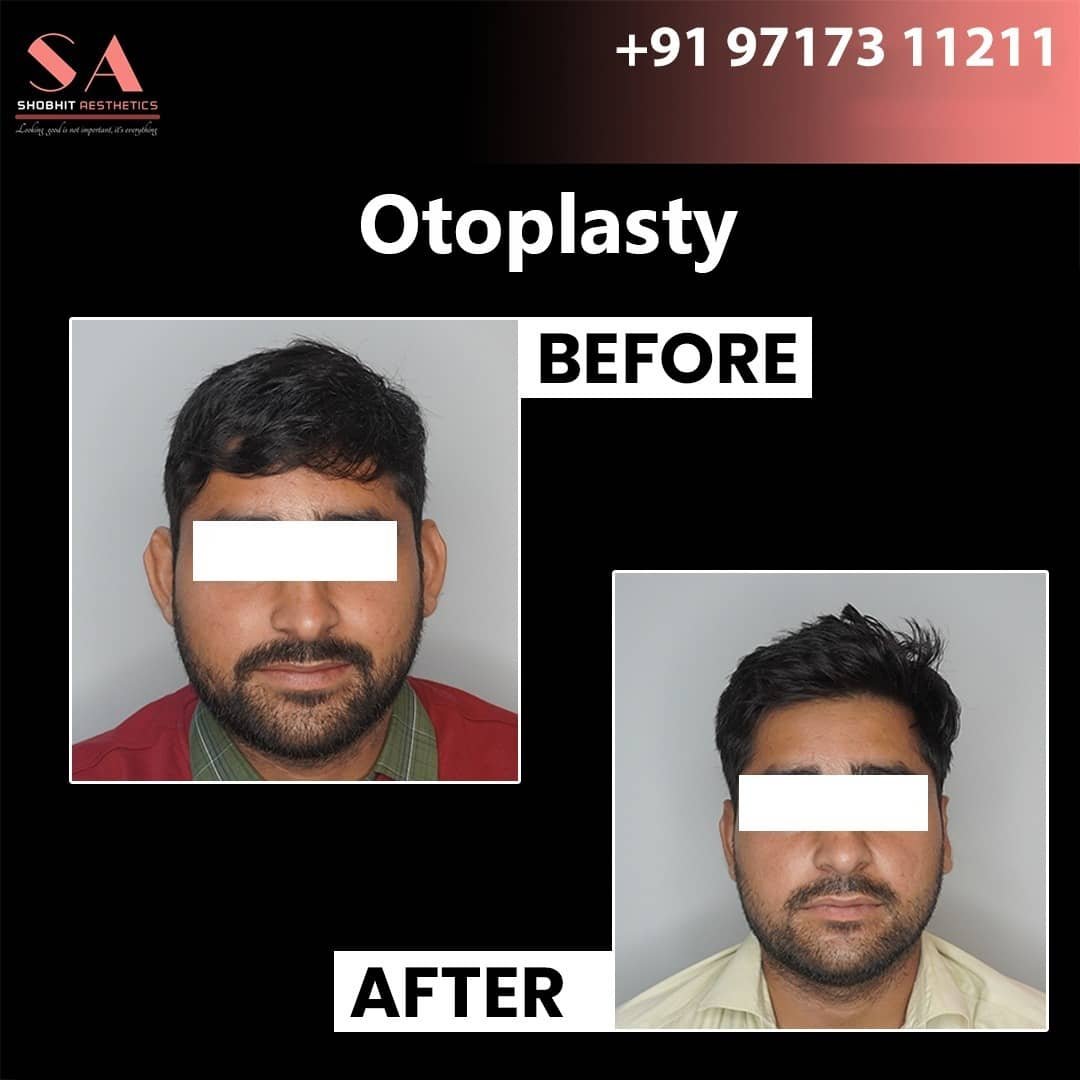
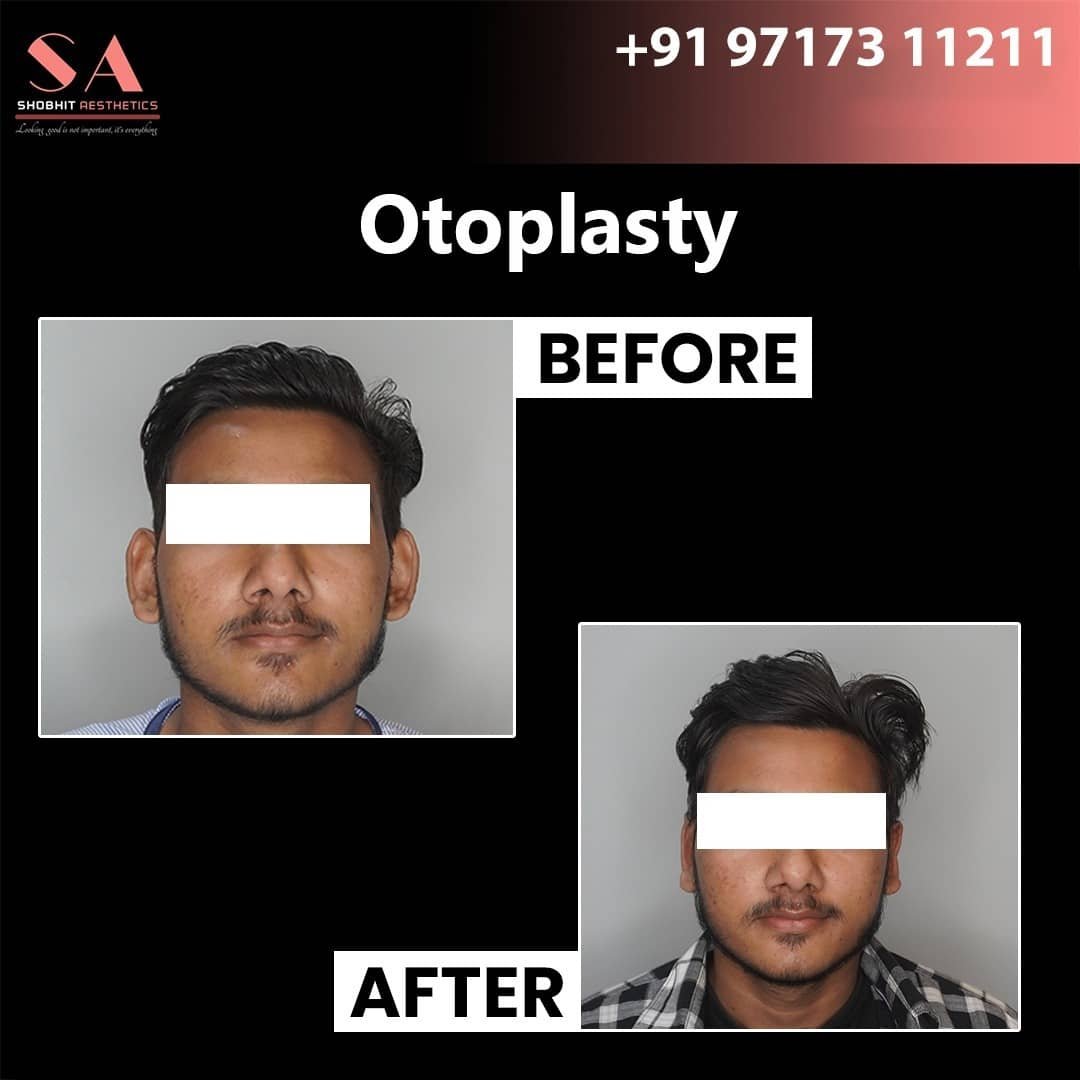
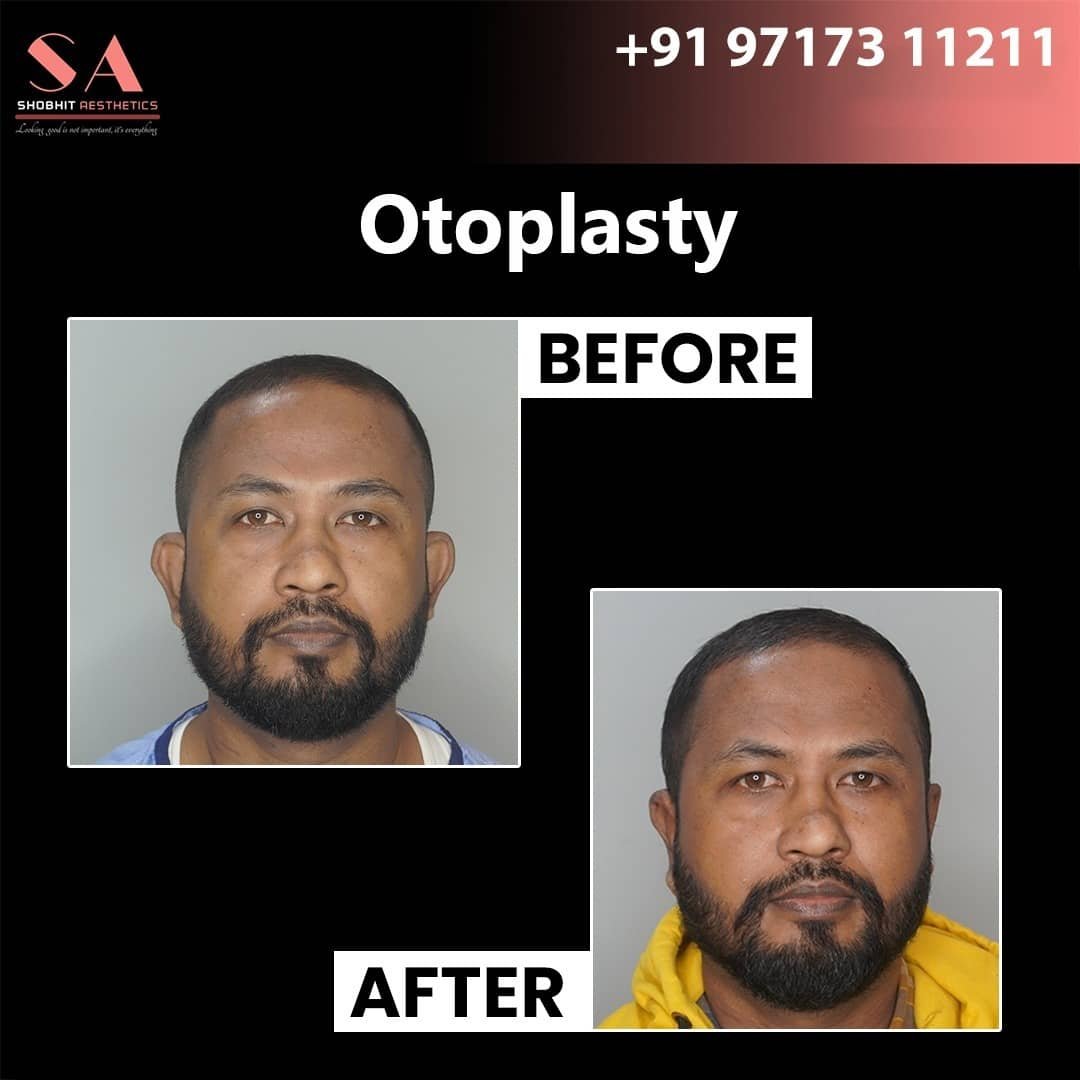
Ear surgery which is also known as otoplasty can advance the shape and proportion of the ear. Any deformity in the ear structure from birth can be rectified by otoplasty. This procedure can be done to treat deformed ears caused by any injury.
Ear surgery offers a natural shape and also brings balance and proportion to the ears and face. Correction of ear deformities improves the appearance and self-esteem of a person. If distending or disfigured ears are the reason for embarrassment for you or your kid, you might think about ear surgery in Delhi with Shobhit Aesthetics.
What is Ear Surgery/Otoplasty?
Ear surgery, commonly known as otoplasty surgery, is a cosmetic and reconstructive surgical procedure performed to improve the shape, size, position, or proportion of the ears. It is one of the most commonly performed facial cosmetic procedures for both children and adults who are unhappy with the appearance of their ears. Otoplasty helps correct ear deformities caused by birth conditions, injuries, or improper cartilage development.
The procedure mainly focuses on the auricle, which is the visible outer part of the ear made of cartilage and skin. Since the ears are one of the most noticeable facial features, even a small deformity or asymmetry can affect overall facial balance and self-confidence. Cosmetic ear surgery is designed to create a more natural and proportionate appearance while maintaining harmony with the face.
Many people choose ear surgery because of protruding ears that stick out more than normal. Prominent ears can often become a source of embarrassment, especially for children and teenagers who may face teasing in schools or social environments. Ear correction surgery can significantly improve self-esteem and emotional well-being by giving the ears a more balanced appearance.
Otoplasty treatment is also performed to correct congenital conditions such as misshapen ears, oversized ears, folded ears, or underdeveloped ear structures. In some cases, reconstructive ear surgery may be required after accidents, burns, or trauma that damage the ear structure.
Modern ear surgery techniques involve minimal incisions and advanced cartilage reshaping methods to achieve natural-looking results. The procedure is usually performed under local or general anesthesia depending on the patient’s age and the complexity of the surgery. Most otoplasty procedures are completed within a few hours, and patients can generally return home on the same day.
One of the major advantages of ear reshaping surgery is that the scars are usually hidden behind the ears or within the natural folds of the skin, making them barely visible after healing. The results are long-lasting and often permanent.
Ear surgery does not affect hearing ability because the procedure only modifies the external appearance of the ears. Instead, it focuses on improving facial aesthetics and correcting structural irregularities.
With advancements in cosmetic surgery in India, otoplasty has become a safe, effective, and highly preferred procedure for individuals seeking improved appearance, confidence, and facial symmetry.
Types of Otoplasty
There are three main types of otoplasty surgery performed by Dr. Shobhit Gupta are ear pinning, ear enlargement, and ear reduction. :
1. Ear Pinning Surgery
Ear pinning surgery is one of the most common types of otoplasty performed to correct protruding or prominent ears. In this procedure, the ears are repositioned closer to the head to create a more balanced and natural appearance. The surgeon makes a small incision behind the ear and reshapes the cartilage using advanced suturing techniques. Ear pinning surgery is commonly performed on both children and adults who feel self-conscious because their ears stick out excessively. The procedure helps improve facial symmetry and boosts confidence without affecting hearing ability.
2. Ear Reduction Surgery
Ear reduction surgery is performed for individuals with unusually large ears, a condition medically known as macrotia. Large ears may appear disproportionate to the face and can affect overall facial aesthetics. During the procedure, excess cartilage and skin are carefully removed to reduce the size of the ears while maintaining their natural shape. Ear reduction surgery helps create a more proportionate and symmetrical facial appearance. The results are generally permanent and provide significant cosmetic improvement.
3. Ear Enlargement Surgery
Ear enlargement surgery is recommended for people with underdeveloped or abnormally small ears. This procedure is commonly used to treat congenital ear deformities where the ears have not developed properly. Cosmetic ear surgery techniques may involve cartilage grafting and tissue reshaping to improve the size and structure of the ears. Ear enlargement surgery helps achieve better facial balance and restores a more natural ear appearance.
4. Reconstructive Otoplasty
Reconstructive otoplasty is performed to repair ear deformities caused by birth defects, trauma, burns, accidents, or previous surgeries. This type of ear surgery focuses on rebuilding or reshaping damaged ear structures to restore both appearance and function. Depending on the severity of the condition, surgeons may use cartilage grafts or advanced reconstructive techniques. Reconstructive ear surgery is highly customized according to the patient’s ear anatomy and cosmetic needs.
5. Revision Otoplasty
Revision otoplasty is a corrective ear surgery performed on patients who are not satisfied with the results of a previous ear surgery. Some individuals may experience asymmetry, overcorrection, undercorrection, or visible irregularities after their initial procedure. Revision otoplasty helps refine the shape, position, and contour of the ears to achieve improved cosmetic outcomes. This procedure requires careful planning and should ideally be performed by an experienced plastic surgeon.
6. Cryptotia Correction Surgery
Cryptotia correction surgery is performed to treat a congenital condition in which the upper part of the ear appears buried beneath the skin of the scalp. This condition makes the ear look partially hidden and poorly defined. Through cosmetic ear surgery, the surgeon separates the ear from the scalp and reshapes the cartilage to create a normal ear contour. The procedure improves both appearance and ear structure.
7. Stahl’s Ear Correction
Stahl’s ear correction is used to treat an abnormal ear shape caused by an extra cartilage fold in the upper ear. This condition gives the ear a pointed or elf-like appearance. During the surgery, the surgeon reshapes the cartilage and removes the abnormal fold to create a smoother and more natural ear contour. Stahl’s ear correction significantly improves ear symmetry and overall facial aesthetics.
Ideal Candidates for Otoplasty Surgery
Otoplasty surgery is suitable for individuals who are unhappy with the appearance, size, or positioning of their ears and wish to improve facial balance through cosmetic ear surgery. The ideal candidate for ear surgery is someone who is physically healthy, emotionally prepared, and has realistic expectations regarding the outcome of the procedure.
Children are often considered good candidates for otoplasty treatment because ear deformities or protruding ears can affect their confidence and social interactions at an early age. Most plastic surgeons recommend ear surgery for children after the age of 5 years because the ear cartilage becomes sufficiently developed and stable by that time. Performing ear correction surgery at an early age can help prevent emotional stress caused by teasing or bullying in schools and social environments.
An ideal child candidate for ear surgery should:
-
Be physically healthy without serious medical conditions
-
Not have untreated chronic ear infections
-
Be emotionally cooperative during treatment and recovery
-
Have stable ear cartilage suitable for reshaping procedures
-
Show willingness to undergo the surgery
Adults are also excellent candidates for cosmetic ear surgery. Many adults choose otoplasty to correct prominent ears, asymmetry, oversized ears, or deformities that have affected their confidence for years. Since there is no upper age limit for ear surgery, healthy adults of any age can undergo the procedure successfully.
Ideal adult candidates for otoplasty surgery generally include:
-
Individuals in good overall physical health
-
Non-smokers or those willing to stop smoking before surgery
-
People with realistic expectations about the results
-
Individuals seeking permanent improvement in ear appearance
-
Patients without serious illnesses affecting healing or recovery
However, some individuals may not be considered suitable candidates for ear surgery. Patients suffering from uncontrolled chronic illnesses, severe ear infections, or conditions that interfere with healing may require additional medical evaluation before undergoing otoplasty treatment.
People with unrealistic expectations regarding cosmetic outcomes may also not be ideal candidates. A detailed consultation with an experienced plastic surgeon is important to determine whether ear reshaping surgery is appropriate for the patient’s condition and goals.
During the consultation, the surgeon carefully examines the ear structure, cartilage condition, medical history, and aesthetic concerns before recommending the best treatment approach. Proper patient selection plays a major role in ensuring safe surgery, smooth recovery, and satisfactory long-term results from otoplasty surgery.
Why Otoplasty Surgery is Becoming Popular in India
In recent years, otoplasty surgery in India has gained significant popularity among both teenagers and adults. Increasing awareness about cosmetic procedures, advancements in surgical technology, and the availability of experienced plastic surgeons have contributed to the growing demand for ear surgery.
Many individuals are now more conscious about facial aesthetics and overall appearance. Since the ears are one of the most noticeable facial features, even minor deformities or asymmetry can affect confidence. Ear correction surgery offers a permanent solution for improving ear shape and positioning.
Another major reason behind the popularity of cosmetic ear surgery is the availability of minimally invasive techniques that ensure faster healing and reduced downtime. Modern otoplasty procedures involve smaller incisions, advanced suturing methods, and improved anesthesia techniques, making the surgery safer and more comfortable for patients.
Social confidence also plays an important role. People with protruding ears or abnormal ear shapes often feel uncomfortable in social gatherings, photographs, and professional environments. Ear reshaping surgery helps individuals feel more confident and comfortable with their appearance.
India has also emerged as a preferred destination for cosmetic procedures because of:
-
Experienced and qualified plastic surgeons
-
Advanced cosmetic surgery clinics
-
Affordable treatment options
-
International-standard medical facilities
-
Personalized patient care
Many patients from different parts of India choose otoplasty treatment because it provides natural-looking and permanent results with minimal scarring. The procedure is usually completed within a few hours, and most patients can resume their normal routine within a short period.
With growing awareness and improved accessibility, ear surgery continues to be one of the most sought-after cosmetic procedures in India today.
Advanced Techniques Used in Modern Ear Surgery
Modern otoplasty surgery has evolved significantly with advancements in cosmetic and reconstructive surgery techniques. Today, ear surgery procedures are safer, more precise, and capable of delivering highly natural-looking results with minimal scarring and downtime.
Plastic surgeons use advanced surgical methods depending on the patient’s ear structure, cartilage condition, and cosmetic goals. Every ear correction surgery is customized to ensure balanced facial aesthetics and long-term stability.
One of the commonly used techniques in cosmetic ear surgery is cartilage reshaping. In this procedure, the surgeon carefully reshapes and repositions the ear cartilage to create a more natural contour. Special suturing techniques are used to hold the cartilage in the desired position permanently.
For patients with protruding ears, ear pinning surgery is performed to bring the ears closer to the head. This technique improves facial symmetry and reduces the prominence of the ears without affecting hearing ability.
In cases involving oversized ears or macrotia, ear reduction surgery is used to decrease the overall size of the ear while maintaining its natural shape and proportion. Surgeons ensure that the final appearance complements the patient’s facial structure.
Reconstructive otoplasty techniques are also used for patients with congenital ear deformities, trauma, or injuries. Advanced reconstructive methods help restore the structure, shape, and appearance of the ear with improved precision.
Another major advancement in ear surgery is the use of minimally visible incisions. Most incisions are strategically placed behind the ears or hidden within natural skin folds to minimize visible scarring after recovery.
Modern anesthesia techniques have also made otoplasty treatment more comfortable and convenient for patients. Depending on the complexity of the procedure, ear surgery can be performed under local anesthesia with sedation or general anesthesia.
With the help of modern technology and experienced plastic surgeons, patients undergoing ear surgery in India can now expect safer procedures, faster recovery, improved comfort, and highly satisfying cosmetic outcomes.
When to Consider Ear Surgery?
Ear surgery or otoplasty surgery is an effective cosmetic procedure for individuals who are unhappy with the appearance, size, or positioning of their ears. Many people choose cosmetic ear surgery to improve facial balance, enhance confidence, and correct congenital or injury-related ear deformities. Otoplasty treatment is suitable for both children and adults who wish to achieve a more natural and proportionate ear appearance.
You can consider ear surgery in the following situations:
Prominent or Protruding Ears
-
If your ears stick out too far from the sides of the head
-
If the ears appear overly noticeable in photographs or social situations
-
If protruding ears affect your confidence or self-esteem
-
If children face teasing or bullying because of ear appearance
Oversized or Asymmetrical Ears
-
If one ear appears larger or differently shaped than the other
-
If the ears seem disproportionate compared to the face and head
-
If excessively large ears affect facial harmony
Congenital Ear Deformities
Otoplasty surgery can help correct several birth-related ear conditions, including:
-
Cryptotia – when the upper ear appears hidden under the skin
-
Stahl’s Ear – an abnormal cartilage fold causing a pointed ear shape
-
Lop Ear – when the upper ear folds downward
-
Constricted Ear – incomplete development of ear cartilage
-
Underdeveloped or misshapen ears
Previous Unsatisfactory Ear Surgery
Some individuals may seek revision otoplasty if they are unhappy with the results of a previous ear surgery. Revision ear surgery helps improve ear shape, positioning, and symmetry.
Injury or Trauma-Related Ear Damage
Ear reshaping surgery may also be considered after accidents, burns, sports injuries, or trauma that affect the structure and appearance of the ears.
Benefits of Otoplasty Surgery
Otoplasty treatment offers several cosmetic and emotional benefits, including:
-
Improves facial symmetry and overall appearance
-
Corrects protruding or misshapen ears
-
Provides permanent and natural-looking results
-
Enhances confidence and self-esteem
-
Helps children feel more comfortable socially
-
Corrects congenital ear abnormalities
-
Restores ear shape after injuries or trauma
Modern ear surgery techniques provide safe and effective outcomes with minimal visible scarring. A detailed consultation with a qualified plastic surgeon helps determine whether otoplasty surgery is the right option based on the patient’s condition and expectations.
How You Should Prepare For Otoplasty?
Proper preparation before otoplasty surgery plays an important role in ensuring a smooth procedure, faster recovery, and better surgical outcomes. Before undergoing ear surgery, patients are advised to follow specific medical and lifestyle guidelines provided by the plastic surgeon. Careful preparation helps reduce the risk of complications and supports proper healing after the procedure.
Medical Evaluation Before Surgery
Before cosmetic ear surgery, the surgeon will perform a detailed consultation and physical examination. During this stage:
-
The surgeon evaluates the shape, size, and structure of the ears
-
Medical history and current medications are reviewed
-
The patient’s expectations and desired results are discussed
-
Pre-operative photographs may be taken for assessment
Patients should inform the surgeon about:
-
Existing medical conditions
-
Allergies
-
Previous surgeries
-
Smoking or alcohol habits
-
Current medications or supplements
Avoid Blood-Thinning Medications
Patients are usually advised to stop taking blood-thinning medicines and supplements before ear surgery because they may increase bleeding risk. These may include:
-
Aspirin
-
Certain painkillers
-
Vitamin E supplements
-
Herbal supplements
Only medications approved by the surgeon should be continued before the surgery.
Quit Smoking and Alcohol
Smoking and alcohol consumption can negatively affect blood circulation and slow down the healing process. Patients are generally advised to:
-
Stop smoking at least a few weeks before surgery
-
Avoid alcohol consumption before and after the procedure
-
Maintain healthy lifestyle habits for better recovery
Maintain a Healthy Diet and Hydration
A nutritious diet supports faster healing after otoplasty surgery. Patients should:
-
Eat balanced and protein-rich meals
-
Drink plenty of water
-
Avoid unhealthy or processed foods before surgery
Prepare for Recovery
Since patients may feel dizzy or weak after anesthesia, it is important to:
-
Arrange someone to accompany and assist after surgery
-
Plan adequate rest for a few days
-
Inform schools or workplaces in advance if needed
Follow the Surgeon’s Instructions Carefully
Patients must strictly follow all pre-operative instructions provided by the surgeon. Proper preparation helps minimize complications, improves comfort during recovery, and supports successful long-term results from ear surgery.
What is the Procedure of Otoplasty?
Otoplasty surgery is a cosmetic and reconstructive procedure designed to improve the shape, size, or positioning of the ears. The surgery is customized according to the patient’s ear structure and cosmetic goals. Modern ear surgery techniques focus on creating natural-looking results with minimal visible scarring and a faster recovery process.
Step 1: Consultation and Surgical Planning
Before the procedure, the plastic surgeon carefully examines the ears and discusses the patient’s concerns and expectations. During the consultation:
-
The ear structure and cartilage are evaluated
-
The surgeon decides the most suitable surgical technique
-
Photographs may be taken for surgical planning
-
The procedure, risks, and recovery process are explained
Step 2: Administration of Anesthesia
Otoplasty surgery is generally performed under:
-
Local anesthesia with sedation for adults
-
General anesthesia for children or complex procedures
The type of anesthesia depends on the patient’s age and the complexity of the surgery.
Step 3: Making the Incisions
The surgeon usually makes small incisions behind the ears where scars remain minimally visible. In some cases, incisions may also be placed within the natural folds of the ear depending on the correction required.
Step 4: Reshaping the Ear Cartilage
After making the incisions, the surgeon reshapes or repositions the cartilage to achieve the desired ear contour. Depending on the condition:
-
Excess cartilage may be removed
-
Cartilage may be folded or stitched into a new shape
-
The ears may be repositioned closer to the head
This step is carefully performed to maintain a natural appearance and facial symmetry.
Step 5: Closing the Incisions
Once the correction is completed:
-
The incisions are closed using fine stitches
-
Protective dressings or bandages are applied
-
Bandages help support the ears during healing
Duration of the Procedure
-
Ear surgery usually takes around 1 to 2 hours
-
Most patients are discharged on the same day
-
The procedure is considered minimally invasive with a relatively quick recovery period
Results After Otoplasty
The results of otoplasty surgery are visible soon after the bandages are removed. Patients generally notice improved ear shape, better facial balance, and enhanced confidence. Following post-operative care instructions carefully helps ensure smooth healing and long-lasting results.
Recovery After Otoplasty
Recovery after otoplasty surgery is generally smooth and comfortable when patients carefully follow the post-operative instructions provided by the surgeon. Since ear surgery is a minimally invasive cosmetic procedure, most patients can return to their daily routine within a short period. However, proper care during the healing phase is important to achieve the best possible results.
Immediately after cosmetic ear surgery, patients may experience mild discomfort, swelling, tightness, or itching around the treated area. These symptoms are completely normal and usually subside within a few days. The surgeon may prescribe pain medications and antibiotics to manage discomfort and reduce the risk of infection.
After the procedure, protective bandages are placed around the ears to support the new ear shape and promote proper healing. Patients are generally advised to keep the bandages intact for the recommended duration. Once the dressings are removed, the results of the otoplasty surgery become visible almost immediately.
During the recovery period, patients should:
-
Take adequate rest for at least a few days
-
Avoid sleeping on the sides to prevent pressure on the ears
-
Avoid strenuous physical activities and sports
-
Keep the surgical area clean and dry
-
Wear protective headbands if advised by the surgeon
-
Attend follow-up appointments regularly
Most swelling and bruising gradually reduce within one to two weeks. While the ears continue to settle into their final shape over time, noticeable improvement in appearance is usually visible early in the recovery phase.
The incisions made during ear reshaping surgery are generally hidden behind the ears or within natural folds, making scars minimally visible. Over the following months, the scars continue to fade significantly.
Full recovery after ear surgery may take a few weeks depending on the complexity of the procedure and the individual’s healing capacity. The results of otoplasty treatment are long-lasting and help improve facial symmetry, appearance, and overall confidence.
Benefits of Ear Surgery for Children and Adults
Ear surgery or otoplasty surgery is one of the most effective cosmetic procedures for improving the appearance, symmetry, and proportion of the ears. Whether performed for children or adults, otoplasty treatment can provide both physical and emotional benefits. Many people who undergo cosmetic ear surgery often report improved confidence and enhanced self-esteem after the procedure.
Children with protruding or unusually shaped ears are often subjected to teasing or bullying in schools and social settings. Ear correction surgery can help reduce emotional stress and improve social confidence at an early age. Since the ear cartilage becomes stable by the age of 5 to 6 years, otoplasty can safely be performed in children under expert supervision.
Adults also choose ear reshaping surgery for various cosmetic and reconstructive reasons. Some individuals may have lived with prominent ears since birth, while others may require ear surgery after trauma or injury. Cosmetic ear surgery helps restore facial balance and improves overall appearance.
Some of the major benefits of otoplasty surgery include:
-
Improved shape and proportion of the ears
-
Correction of protruding or asymmetrical ears
-
Permanent and natural-looking results
-
Minimal visible scarring
-
Enhanced facial harmony
-
Increased confidence and self-image
-
Quick recovery and same-day discharge in most cases
Modern ear surgery techniques are designed to deliver safe and long-lasting outcomes with minimal discomfort. Since every individual has unique ear anatomy, surgeons customize the procedure according to the patient’s condition and expectations.
Patients considering ear surgery in India should consult a qualified plastic surgeon to understand the best treatment approach suitable for their needs.
Different Ear Conditions Treated with Otoplasty Surgery
Otoplasty surgery is not only performed for cosmetic enhancement but also for correcting various congenital and acquired ear deformities. Ear correction surgery can improve both the appearance and structure of the ears, helping individuals achieve a more balanced facial profile.
Some common ear conditions treated with ear reshaping surgery include:
Prominent Ears
Prominent or protruding ears are among the most common reasons people seek otoplasty treatment. In this condition, the ears stick out farther from the head than usual. Ear pinning surgery helps reposition the ears closer to the scalp for a more natural appearance.
Macrotia
Macrotia refers to excessively large ears that appear disproportionate to the face and head. Ear reduction surgery is performed to reduce the size of the ears and improve facial symmetry.
Microtia
Microtia is a congenital condition where the external ear is underdeveloped or smaller than normal. Depending on the severity, reconstructive ear surgery may be required to improve the shape and appearance of the ear.
Lop Ear Deformity
This condition occurs when the upper portion of the ear folds downward due to improper cartilage development. Cosmetic ear surgery can reshape the cartilage and restore the normal contour of the ear.
Stahl’s Ear
Stahl’s ear is characterized by an abnormal fold or pointed shape in the upper ear cartilage. Otoplasty surgery corrects the deformity and creates a smoother ear shape.
Cryptotia
Cryptotia is a condition where the upper part of the ear appears buried under the skin. Ear surgery helps separate the ear from the scalp and improves its visibility and structure.
Ear Injuries and Trauma
Injuries caused by accidents, burns, or sports trauma may damage the ear structure. Reconstructive ear surgery can restore both function and appearance.
With advancements in plastic surgery techniques, ear surgery procedures in India are now safer, more precise, and highly effective for correcting a wide range of ear deformities.
Precautions Before the Surgery
Taking proper precautions before otoplasty surgery is extremely important for ensuring a safe procedure, faster healing, and better cosmetic results. Proper preparation helps reduce surgical risks, improves recovery, and supports long-lasting outcomes after cosmetic ear surgery. Patients planning to undergo ear surgery should carefully follow all pre-operative instructions provided by their plastic surgeon.
Maintain a Healthy Diet
A healthy and balanced diet plays a major role in preparing the body for surgery and recovery. Patients are advised to:
-
Eat protein-rich foods to support tissue healing
-
Include fruits and vegetables rich in vitamins and minerals
-
Stay well hydrated before the procedure
-
Avoid unhealthy processed foods and excessive sugar intake
Good nutrition helps strengthen the immune system and promotes faster recovery after otoplasty treatment.
Stop Smoking and Alcohol Consumption
Smoking and alcohol can negatively affect blood circulation and delay the healing process after ear surgery. Nicotine reduces oxygen supply to tissues, which can increase the risk of complications and slow wound healing.
Patients are generally advised to:
-
Stop smoking at least a few weeks before surgery
-
Avoid alcohol consumption before and after the procedure
-
Inform the surgeon honestly about smoking and drinking habits
Following these precautions helps improve surgical safety and recovery outcomes.
Avoid Blood-Thinning Medications
Certain medications and supplements may increase bleeding during and after surgery. Patients should avoid taking blood-thinning substances unless approved by the surgeon. These may include:
-
Aspirin
-
Ibuprofen
-
Vitamin E supplements
-
Herbal medications
-
Certain anti-inflammatory drugs
The surgeon will provide a detailed list of medications to avoid before otoplasty surgery.
Inform the Surgeon About Medical Conditions
Patients should discuss their complete medical history during the consultation, including:
-
Allergies
-
Chronic illnesses
-
Previous surgeries
-
Existing medications
-
Ear infections or skin conditions
Providing accurate medical information helps the surgeon plan the procedure safely.
Arrange Post-Surgery Assistance
Since anesthesia may cause temporary dizziness or weakness, patients should:
-
Arrange transportation after surgery
-
Ensure someone is available to assist during the initial recovery period
-
Plan adequate rest after the procedure
Follow All Pre-Operative Instructions
Patients should strictly follow the surgeon’s instructions regarding:
-
Fasting before surgery
-
Hair washing and hygiene
-
Wearing comfortable clothing on the surgery day
-
Avoiding makeup or jewelry during the procedure
Proper preparation before ear reshaping surgery significantly improves patient safety, healing, and overall surgical success.
What Otoplasty Can / Can’t Do?
Otoplasty surgery is a highly effective cosmetic and reconstructive procedure designed to improve the appearance, shape, and positioning of the ears. The procedure can address several aesthetic concerns and congenital ear deformities, helping patients achieve improved facial balance and self-confidence. However, it is also important to understand the limitations of cosmetic ear surgery and maintain realistic expectations regarding the results.
What Otoplasty Can Do
Reposition Protruding Ears
One of the most common benefits of ear surgery is correcting ears that stick out too far from the head. Ear pinning surgery helps reposition the ears closer to the scalp to create a more balanced and natural appearance.
Improve Ear Symmetry
Otoplasty treatment can correct uneven or asymmetrical ears by reshaping the cartilage and improving ear proportions. This helps create better facial harmony and aesthetics.
Correct Congenital Ear Deformities
Cosmetic ear surgery can treat several birth-related ear abnormalities, including:
-
Cryptotia
-
Stahl’s Ear
-
Lop Ear
-
Constricted Ear
-
Misshapen or folded ears
Correcting these conditions helps improve both appearance and confidence.
Reduce the Size of Large Ears
Ear reduction surgery is performed for individuals with unusually large ears. The procedure removes excess cartilage and tissue to create a more proportionate ear size.
Repair Ear Injuries or Trauma
Reconstructive otoplasty can restore the appearance of ears damaged due to accidents, burns, injuries, or previous surgeries.
Improve Self-Confidence
Many patients experience improved emotional well-being and confidence after ear reshaping surgery because of enhanced facial appearance and reduced self-consciousness.
What Otoplasty Cannot Do
Change Hearing Ability
Otoplasty surgery only modifies the external structure of the ears and does not improve or affect hearing ability in any way.
Completely Change Ear Placement
Although ear surgery can reposition protruding ears closer to the head, it cannot completely alter the natural anatomical location of the ears on the skull.
Deliver Perfect Symmetry
While surgeons aim for balanced and natural-looking results, achieving absolute perfection or identical symmetry may not always be possible because every face and ear structure is naturally unique.
Stop the Natural Aging Process
Otoplasty surgery provides long-lasting results, but it cannot stop natural skin and tissue aging over time.
Replace Medical Ear Treatments
Ear surgery is a cosmetic and reconstructive procedure and does not treat hearing disorders, inner ear diseases, or medical ear conditions unrelated to appearance.
Understanding both the benefits and limitations of otoplasty treatment helps patients make informed decisions and maintain realistic expectations regarding the outcome of ear surgery.
What is the Risk Involved in Otoplasty?
Otoplasty surgery is generally considered a safe cosmetic procedure when performed by a qualified and experienced plastic surgeon. However, like any surgical procedure, ear surgery may involve certain risks and temporary side effects. Understanding these risks helps patients prepare better and follow proper aftercare instructions to minimize complications.
Most side effects after cosmetic ear surgery are mild and temporary, and they usually improve during the recovery period.
Common Temporary Side Effects
Swelling and Bruising
Mild swelling and bruising around the ears are common after otoplasty surgery. These symptoms usually decrease gradually within a few days or weeks.
Pain or Discomfort
Patients may experience mild discomfort, tightness, or tenderness after ear surgery. Prescribed medications help manage pain effectively during recovery.
Itching and Sensitivity
Temporary itching around the treated area is a normal part of the healing process. Some patients may also experience mild skin sensitivity around the ears.
Temporary Numbness
Numbness or reduced sensation around the ears can occur after surgery due to swelling and tissue healing. This usually improves naturally within a few weeks.
Possible Surgical Risks
Infection
Although uncommon, infections may sometimes develop after surgery. To reduce this risk:
-
Surgeons prescribe antibiotics
-
Patients must maintain proper hygiene
-
Follow-up appointments are important
Early treatment helps prevent serious complications.
Asymmetry
In rare cases, slight unevenness between the ears may occur after healing. Since natural ears are never perfectly identical, minor asymmetry can sometimes remain even after surgery.
Overcorrection or Undercorrection
Some patients may feel that the ears are:
-
Too close to the head
-
Still protruding slightly
-
Not shaped as expected
In such situations, revision otoplasty may occasionally be considered.
Visible Scarring
Most ear surgery scars are hidden behind the ears or within natural folds. However, in rare cases, scars may become slightly noticeable depending on the individual healing response.
Delayed Healing
Smoking, poor aftercare, or underlying medical conditions may slow down the healing process after otoplasty treatment.
How Risks Can Be Reduced
Patients can minimize complications by:
-
Choosing an experienced plastic surgeon
-
Following all pre-operative and post-operative instructions
-
Avoiding smoking and alcohol
-
Attending follow-up appointments regularly
-
Keeping the surgical area clean and protected
Serious complications after ear reshaping surgery are rare, and most patients recover smoothly without major issues. Proper surgical planning, expert care, and careful recovery management help ensure safe treatment and successful long-term results.
Tips for Faster Recovery After Ear Surgery
Recovery plays a very important role in achieving the best results after otoplasty surgery. While ear surgery is generally considered a safe procedure, following proper post-operative care instructions can help reduce discomfort, speed up healing, and minimize complications.
Most patients recover comfortably within a few weeks after cosmetic ear surgery. However, proper care during the healing phase is essential for maintaining the new ear shape and ensuring long-lasting results.
Here are some important recovery tips after ear surgery:
Wear the Protective Bandage Properly
After the procedure, the surgeon places bandages around the ears to protect them and support healing. Patients should wear the dressing exactly as instructed to avoid unnecessary pressure on the ears.
Avoid Sleeping on the Sides
Sleeping directly on the ears may cause discomfort and affect healing. Patients are usually advised to sleep on their back with their head elevated during the initial recovery period.
Avoid Heavy Physical Activities
Strenuous exercise, sports, and heavy lifting should be avoided for a few weeks after otoplasty surgery. Physical activities may increase swelling or put pressure on the treated area.
Keep the Surgical Area Clean
Maintaining proper hygiene is important to prevent infections. Patients should carefully clean the area as instructed by the surgeon and avoid touching the ears unnecessarily.
Take Prescribed Medications on Time
Pain, mild swelling, and discomfort are common after ear reshaping surgery. Taking prescribed medications regularly helps manage these symptoms effectively.
Protect the Ears from Injury
The ears remain sensitive during recovery. Patients should avoid activities that may accidentally bend or injure the ears.
Follow-Up Appointments are Important
Regular follow-up visits help the surgeon monitor healing progress and ensure proper recovery after ear surgery.
By following the recommended aftercare guidelines, patients can achieve smooth healing and enjoy the long-term benefits of otoplasty treatment.
Know Your Surgeon
Dr. Shobhit Gupta is a highly experienced and board-certified plastic and cosmetic surgeon known for his expertise in advanced cosmetic and reconstructive procedures. With more than 11 years of experience in the field of plastic surgery, he has successfully treated numerous patients seeking aesthetic enhancement and corrective surgical treatments. His dedication to patient care, precision, and natural-looking results has made him one of the most trusted names in cosmetic surgery in India.
Specializing in otoplasty surgery, Dr. Shobhit Gupta focuses on improving the appearance, symmetry, and proportion of the ears through advanced surgical techniques. He carefully evaluates each patient’s facial structure, ear anatomy, and cosmetic concerns before planning a personalized treatment approach. His goal is to deliver balanced and natural results while maintaining patient safety and comfort throughout the procedure.
Dr. Shobhit Gupta is known for performing various types of cosmetic ear surgery, including:
-
Ear pinning surgery for protruding ears
-
Ear reduction surgery for oversized ears
-
Ear reshaping surgery for congenital deformities
-
Reconstructive otoplasty for trauma-related ear damage
-
Revision otoplasty for correcting previous ear surgeries
His patient-focused approach involves detailed consultations where he explains the procedure, recovery process, expected outcomes, and post-operative care. This helps patients make informed decisions and feel confident about their treatment journey.
Using modern surgical techniques and advanced cosmetic procedures, Dr. Shobhit Gupta aims to minimize visible scarring, reduce recovery time, and achieve long-lasting aesthetic results. His expertise in cosmetic and reconstructive surgery allows patients to achieve improved facial harmony and enhanced self-confidence.
Patients seeking ear surgery often prefer experienced surgeons because expertise and surgical precision play a major role in ensuring safe treatment and satisfactory outcomes. Dr. Shobhit Gupta’s experience, advanced skills, and commitment to quality care continue to make him a preferred choice for otoplasty surgery and cosmetic procedures in India.
Cost of Ear Surgery
The cost of ear surgery or otoplasty surgery can vary depending on several important factors related to the procedure, the surgeon’s expertise, and the patient’s individual condition. Since every patient has unique cosmetic concerns and treatment requirements, the overall cost of cosmetic ear surgery may differ from person to person.
One of the primary factors affecting the cost of otoplasty treatment is the complexity of the procedure. Simple ear pinning surgery for protruding ears may cost differently compared to reconstructive ear surgery or revision otoplasty, which may involve more advanced surgical techniques and longer operating time.
Several factors that commonly influence ear surgery cost include:
Type of Otoplasty Procedure
The overall treatment cost depends on the type of ear surgery being performed, such as:
-
Ear pinning surgery
-
Ear reduction surgery
-
Ear enlargement surgery
-
Reconstructive otoplasty
-
Revision ear surgery
More complex procedures generally require additional surgical planning and expertise.
Surgeon’s Experience and Expertise
The experience, qualifications, and specialization of the plastic surgeon significantly influence the cost of cosmetic ear surgery. Highly experienced surgeons with expertise in otoplasty procedures may charge higher fees because of their advanced skills and successful treatment outcomes.
Hospital and Surgical Facility Charges
The quality of the surgical facility, operation theatre setup, anesthesia services, and post-operative care also contribute to the total ear surgery cost.
Anesthesia and Medication Expenses
The type of anesthesia used during the procedure, along with prescribed medications, follow-up consultations, and recovery care, may also affect the final treatment cost.
Individual Patient Requirements
Every patient has unique ear anatomy and cosmetic goals. Some cases may require additional correction, cartilage reshaping, or reconstructive techniques, which can influence the overall pricing.
While cost is an important consideration, patients should prioritize choosing a qualified and experienced plastic surgeon to ensure safety, proper care, and natural-looking results. Otoplasty surgery is a long-term investment in appearance, facial harmony, and self-confidence.
Modern ear surgery procedures in India are now widely accessible, offering advanced cosmetic solutions with personalized treatment plans and high standards of patient care.