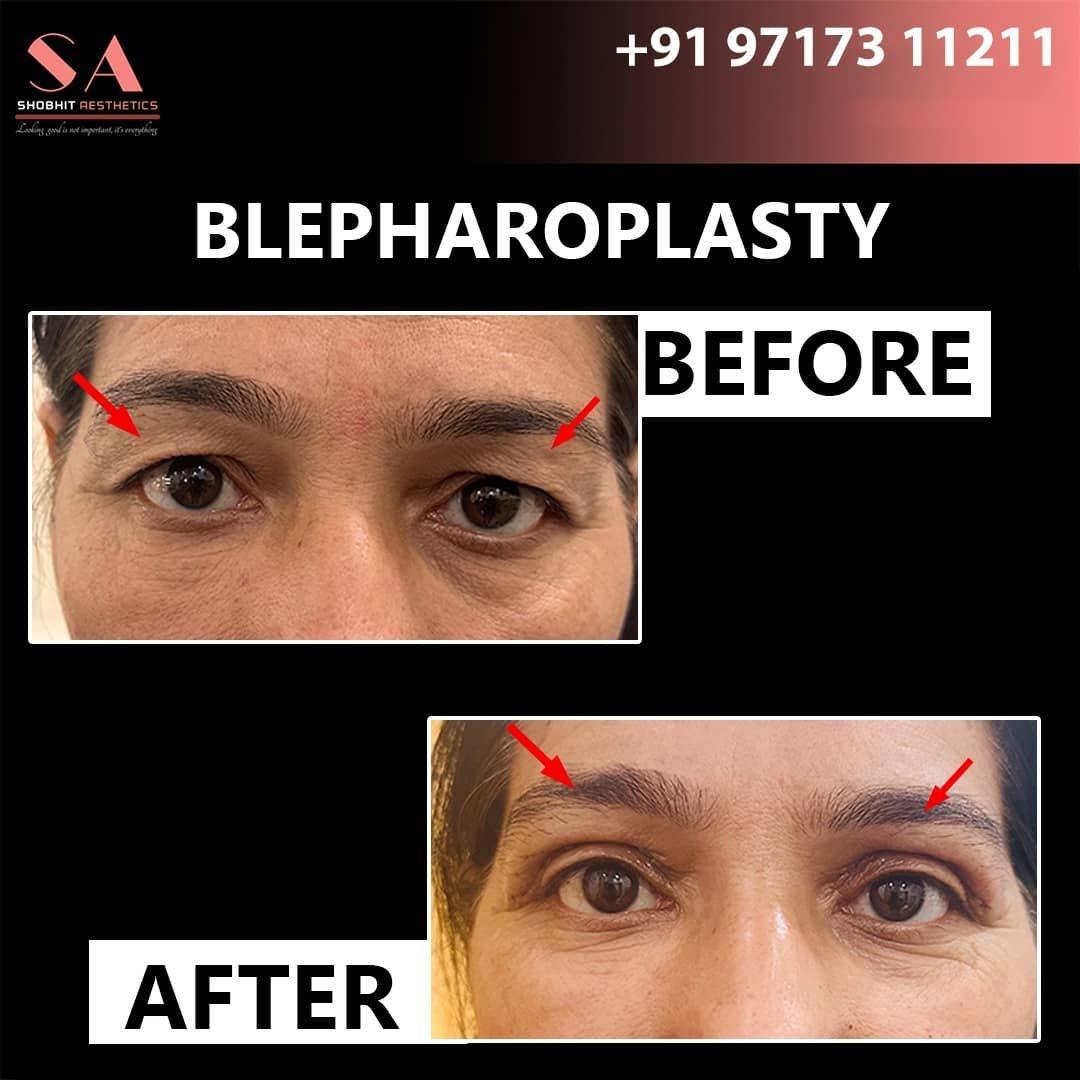
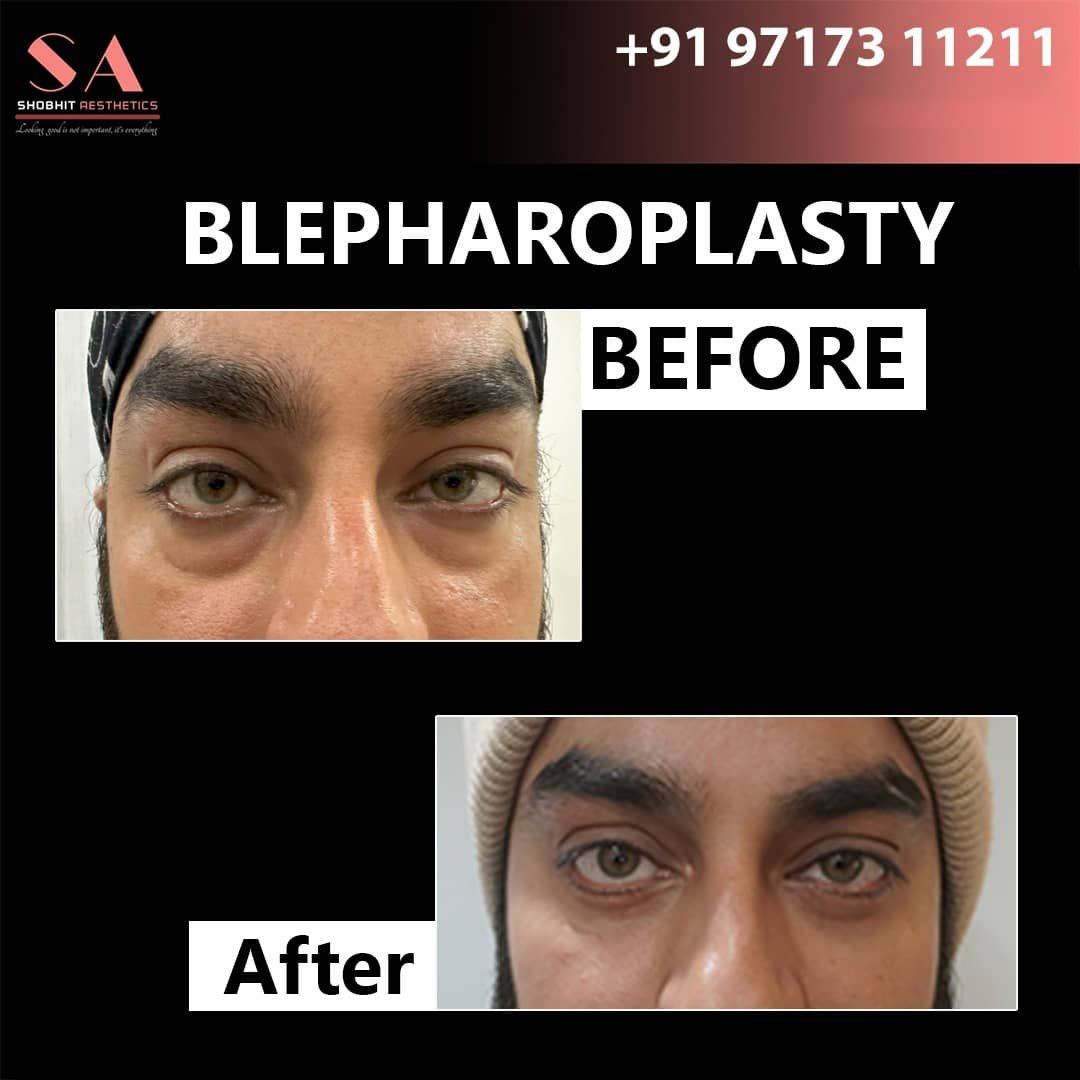
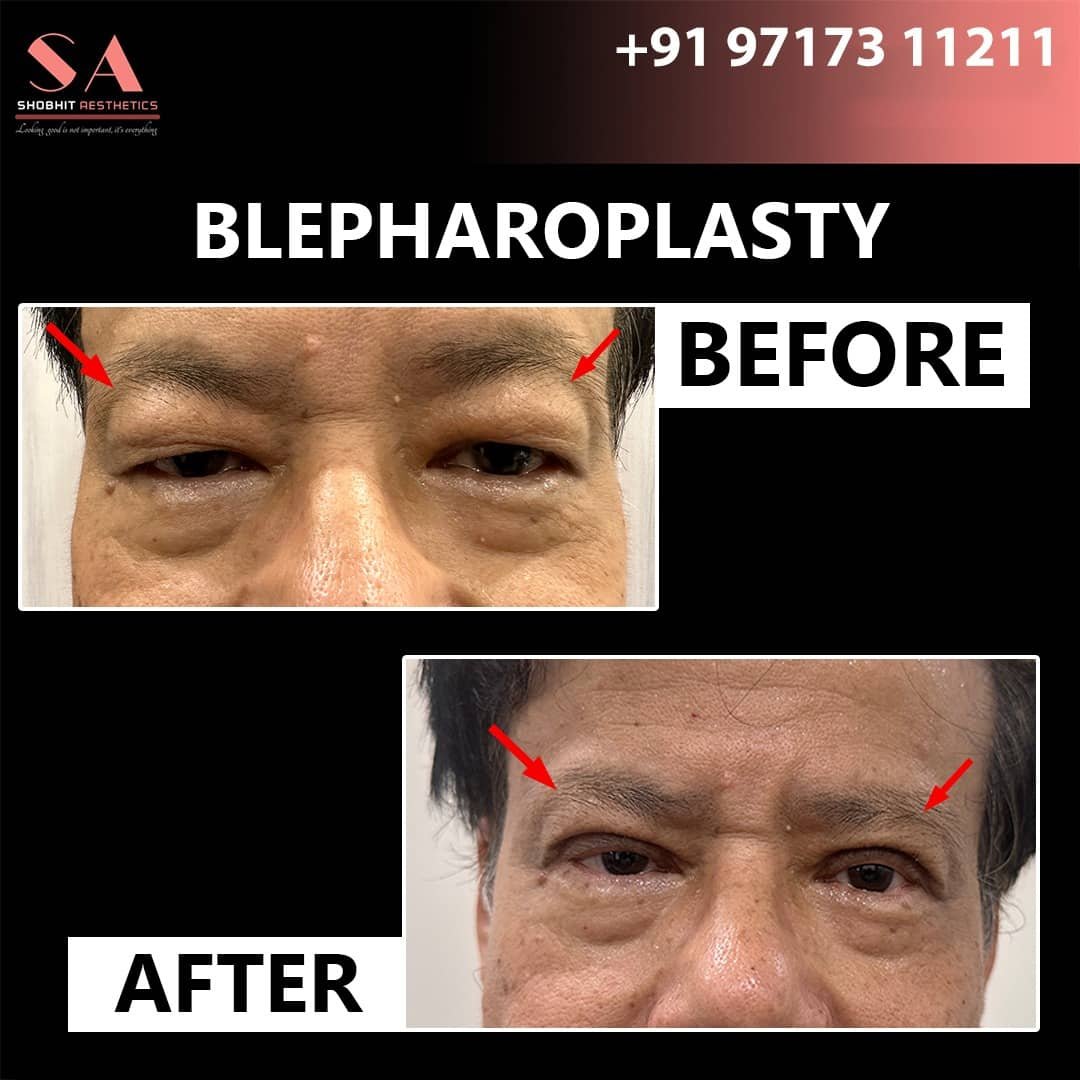
The eyes are often considered the most expressive and attractive feature of the face. They play a significant role in facial aesthetics, communication, and first impressions. However, the delicate skin around the eyes is also one of the first areas to show visible signs of aging. As we age, the natural production of collagen and elastin decreases, causing the skin to lose firmness and elasticity. This can lead to drooping upper eyelids, under-eye bags, puffiness, loose skin, and a tired or aged appearance.
In addition to aging, factors such as genetics, sun exposure, stress, poor sleep, smoking, allergies, and lifestyle habits can accelerate changes around the eyes. Many individuals notice that even when they feel energetic and well-rested, their eyes may still appear tired, heavy, or older than their actual age. Excess skin around the eyelids can sometimes become severe enough to affect peripheral vision and interfere with daily activities.
Blepharoplasty surgery, commonly known as eyelid surgery or eyelid lift surgery, is a highly effective cosmetic and functional procedure designed to rejuvenate the eye area. The procedure involves removing or repositioning excess skin, fat, and muscle from the upper and lower eyelids to restore a refreshed, youthful, and natural appearance. Modern blepharoplasty techniques focus on enhancing facial harmony while preserving the natural characteristics of the eyes.
Whether your concerns involve droopy eyelids, puffy under-eye bags, hooded eyes, or age-related skin laxity, blepharoplasty can provide long-lasting improvement and renewed confidence. With advancements in plastic surgery and facial rejuvenation techniques, eyelid surgery has become one of the most popular and successful cosmetic procedures worldwide. It offers both aesthetic and functional benefits, helping patients look more alert, youthful, and vibrant while maintaining natural facial expressions.
What is Blepharoplasty?
Blepharoplasty, commonly referred to as eyelid surgery, is a specialized cosmetic and reconstructive procedure designed to improve the appearance of the upper eyelids, lower eyelids, or both. The surgery addresses common concerns such as drooping eyelids, excess skin, under-eye bags, puffiness, wrinkles, and age-related changes around the eyes. By removing or repositioning excess skin, muscle, and fat, blepharoplasty helps create a more youthful, refreshed, and alert appearance.
As people age, the tissues surrounding the eyes gradually weaken. The skin loses elasticity, muscles become lax, and fat deposits may shift or protrude. These changes can result in hooded upper eyelids, puffy lower eyelids, and a tired-looking appearance. In some cases, excessive upper eyelid skin may even impair peripheral vision, making blepharoplasty beneficial for both cosmetic and functional reasons.
Different Types of Blepharoplasty Surgery
Blepharoplasty is not a one-size-fits-all procedure. Depending on the patient's concerns, anatomy, and age-related changes, different types of eyelid surgery may be recommended. Modern blepharoplasty techniques are highly customized to address both cosmetic and functional concerns.
Common Types of Blepharoplasty
| Type of Blepharoplasty | Purpose | Ideal Candidate |
|---|---|---|
| Upper Eyelid Blepharoplasty | Removes excess skin and fat from upper eyelids | Patients with droopy or hooded eyelids |
| Lower Eyelid Blepharoplasty | Treats under-eye bags and loose skin | Patients with puffiness under the eyes |
| Transconjunctival Blepharoplasty | Removes lower eyelid fat without visible scars | Younger patients with eye bags |
| Double Eyelid Surgery | Creates an upper eyelid crease | Individuals seeking a more defined eyelid contour |
| Functional Blepharoplasty | Improves vision affected by drooping eyelids | Patients with visual obstruction |
Cosmetic Benefits
- Brighter and more youthful appearance
- Reduced puffiness around the eyes
- Improved eye symmetry
- Better eyelid definition
- Enhanced facial balance
Functional Benefits
- Improved peripheral vision
- Reduced eyelid heaviness
- Better comfort during daily activities
- Reduced eye fatigue
Choosing the correct type of blepharoplasty depends on a detailed evaluation of the eyelids, brow position, skin quality, and facial anatomy.
How Ageing Affects the Eye Area
The eyes are often the first facial feature to show visible signs of ageing. As collagen production decreases and skin elasticity reduces over time, the delicate tissues around the eyes begin to change.
Common Age-Related Changes Around the Eyes
- Drooping upper eyelids
- Hooded eyelids
- Under-eye bags
- Fine lines and wrinkles
- Hollow tear troughs
- Loose eyelid skin
- Sagging eyebrows
Why the Eye Area Ages Faster
The skin around the eyes is significantly thinner than the skin on most other parts of the face. This makes it more vulnerable to:
- Sun damage
- Repeated facial expressions
- Collagen loss
- Environmental stress
- Lifestyle factors
Factors Accelerating Eyelid Ageing
| Factor | Impact |
|---|---|
| Smoking | Reduces collagen production |
| Poor Sleep | Increases puffiness |
| UV Exposure | Accelerates skin ageing |
| Stress | Contributes to premature ageing |
| Genetics | Influences skin laxity |
Blepharoplasty surgery helps reverse many of these changes by removing excess tissue and restoring a more refreshed and youthful appearance.
Ideal Candidate for Blepharoplasty Surgery
Blepharoplasty surgery, commonly known as eyelid surgery, is designed to improve the appearance of the upper eyelids, lower eyelids, or both. It is one of the most effective facial rejuvenation procedures for individuals who wish to address signs of aging around the eyes or improve eyelid function. However, achieving the best results depends greatly on selecting the right candidate for the procedure.
An ideal candidate for blepharoplasty is someone who experiences visible concerns around the eyes that affect their appearance, confidence, or daily activities. Many patients seek eyelid surgery because they appear tired, older, or less energetic than they actually feel. In some cases, excess upper eyelid skin may even interfere with vision, making the procedure beneficial from both a cosmetic and functional standpoint.
Common Characteristics of an Ideal Candidate
Individuals with Hooded Eyes
Hooded eyelids occur when excess skin folds over the natural crease of the upper eyelid. This can make the eyes appear smaller, heavier, and older. Blepharoplasty helps remove the excess tissue and restores a more open, youthful appearance.
People with Sagging or Droopy Eyelids
Drooping upper eyelids are one of the most common reasons patients consider eyelid surgery. Excess skin can create a tired appearance and may even obstruct peripheral vision in severe cases.
Individuals with Puffy Eyes and Eye Bags
Fat deposits beneath the eyes can create persistent puffiness and under-eye bags. Lower eyelid surgery can remove or reposition this fat to create smoother and more refreshed contours.
Patients with Excess Upper Eyelid Fat
Some individuals naturally accumulate fat around the upper eyelids, giving the eyes a swollen or heavy appearance. Blepharoplasty can effectively address this concern.
People with Wrinkled or Loose Eyelid Skin
Age-related skin laxity can cause wrinkles and folds around the eyes. Eyelid surgery helps tighten and rejuvenate the area while maintaining natural facial expressions.
Health Requirements for Blepharoplasty
A good candidate should:
- Be in overall good physical health
- Have realistic expectations from surgery
- Be free from serious uncontrolled medical conditions
- Be a non-smoker or willing to stop smoking before surgery
- Have healthy eyes without severe untreated eye diseases
- Understand the recovery process
Conditions That May Require Additional Evaluation
Patients with the following conditions may require special assessment before surgery:
- Dry eye syndrome
- Glaucoma
- Thyroid eye disease
- Diabetes
- High blood pressure
- Previous eye surgeries
Quick Candidate Assessment Table
| Candidate Profile | Suitable for Blepharoplasty? |
|---|---|
| Hooded Eyelids | Yes |
| Under-Eye Bags | Yes |
| Droopy Upper Eyelids | Yes |
| Healthy Non-Smoker | Yes |
| Realistic Expectations | Yes |
| Active Eye Infection | No (until treated) |
| Uncontrolled Medical Conditions | Requires evaluation |
Ultimately, the best candidates for blepharoplasty are individuals seeking a refreshed, youthful appearance while maintaining natural facial harmony. A thorough consultation with an experienced plastic surgeon helps determine whether eyelid surgery is the right option based on individual anatomy, goals, and overall health.
Upper Eyelid Surgery
Upper eyelid surgery, also known as Upper Blepharoplasty, is a specialized cosmetic and functional procedure designed to remove excess skin, fat, and sometimes muscle from the upper eyelids. As people age, the delicate skin around the eyes gradually loses elasticity, causing the upper eyelids to sag and develop folds. In some cases, these changes can make a person appear tired, older, or even interfere with vision.
The primary goal of upper eyelid surgery is to create a more youthful, refreshed, and alert appearance while maintaining the natural shape and expression of the eyes. The procedure is highly customized based on the patient's anatomy, skin quality, and aesthetic goals.
Common Concerns Treated by Upper Eyelid Surgery
- Hooded eyelids
- Excess upper eyelid skin
- Drooping eyelids
- Heavy-looking eyes
- Fat deposits in the upper eyelids
- Vision obstruction caused by sagging skin
- Asymmetrical eyelids
During the procedure, a carefully planned incision is placed within the natural crease of the eyelid. This placement helps ensure that the resulting scar remains virtually invisible after healing. Excess skin, muscle, and fat are then removed or repositioned to restore a smoother and more youthful contour.
Benefits of Upper Eyelid Surgery
| Benefit | Result |
|---|---|
| Removes excess skin | Brighter appearance |
| Improves eyelid contour | Younger-looking eyes |
| Reduces heaviness | More alert expression |
| Improves peripheral vision | Better functionality |
| Creates natural rejuvenation | Long-lasting results |
The procedure typically takes one to two hours and is often performed as a day-care surgery. Recovery is relatively straightforward, with most swelling and bruising improving within a few weeks.
Upper blepharoplasty remains one of the most effective facial rejuvenation procedures because it directly addresses one of the most visible signs of ageing. The result is a fresher, more energetic appearance that enhances overall facial harmony without dramatically altering natural facial features.
Lower Eyelid Surgery
Lower eyelid surgery is a highly effective cosmetic procedure designed to address puffiness, under-eye bags, loose skin, wrinkles, and hollowness beneath the eyes. The lower eyelids are particularly vulnerable to ageing because the skin in this area is extremely thin and delicate. Over time, weakening tissues and shifting fat deposits can create a tired, aged appearance even when a person feels well-rested.
Lower blepharoplasty focuses on restoring a smoother transition between the lower eyelid and cheek while maintaining natural facial expressions. The procedure can dramatically improve facial rejuvenation without changing the unique character of the eyes.
Common Problems Corrected by Lower Eyelid Surgery
- Eye bags
- Under-eye puffiness
- Loose skin
- Fine lines and wrinkles
- Tear trough deformities
- Dark shadowing caused by fat protrusion
- Sagging lower eyelids
For younger patients with prominent fat bags but minimal excess skin, a transconjunctival blepharoplasty may be recommended. This advanced technique removes or repositions fat through an incision made inside the eyelid, leaving no visible external scar.
Benefits of Lower Eyelid Surgery
- Reduces under-eye bags
- Creates smoother contours
- Minimizes tired appearance
- Improves facial balance
- Enhances eye definition
- Delivers long-lasting rejuvenation
Lower Eyelid Surgery vs Ageing Concerns
| Concern | Surgical Solution |
|---|---|
| Eye Bags | Fat removal or repositioning |
| Wrinkles | Skin tightening |
| Puffiness | Fat reduction |
| Hollow Eyes | Fat repositioning |
| Loose Skin | Skin excision |
Lower eyelid surgery is often combined with fat grafting, fillers, or facial rejuvenation procedures to provide comprehensive anti-ageing benefits and achieve a naturally refreshed appearance.
Causes of Ageing Eyelids
Ageing eyelids are a natural part of the facial ageing process. Because the skin surrounding the eyes is thinner than elsewhere on the body, it often shows signs of ageing earlier than other facial areas. As collagen and elastin production decline over time, the eyelids lose firmness and begin to sag.
Ageing around the eyes is influenced by a combination of intrinsic and external factors. While genetics play a significant role, lifestyle habits and environmental exposure can accelerate these changes.
Common Causes of Ageing Eyelids
Natural Ageing
The most common cause is the gradual loss of skin elasticity and muscle tone that occurs with age.
Sun Exposure
Ultraviolet (UV) radiation damages collagen fibers, leading to premature wrinkles and skin laxity.
Genetics
Some individuals inherit a tendency toward hooded eyelids, eye bags, or loose skin.
Smoking
Smoking reduces blood flow to the skin and accelerates collagen breakdown.
Sleep Deprivation
Poor sleep contributes to puffiness, dark circles, and tired-looking eyes.
Fluid Retention
Excess fluid accumulation can cause swelling around the eyes.
Thyroid Disorders
Certain thyroid conditions may affect the appearance and function of the eyelids.
Additional Contributing Factors
- Stress
- Allergies
- Eye fatigue
- Hormonal changes
- Nutritional deficiencies
- Previous injuries
- Chronic medical conditions
Factors Affecting Eyelid Ageing
| Factor | Impact |
|---|---|
| Age | High |
| Genetics | High |
| Sun Exposure | High |
| Smoking | Moderate to High |
| Sleep Quality | Moderate |
| Stress | Moderate |
Understanding these causes helps patients adopt preventive measures and determine when treatments such as blepharoplasty may be beneficial for restoring a youthful appearance.
How to Prepare for the Surgery
Proper preparation is essential for achieving the safest possible surgical experience and optimal recovery after blepharoplasty. A well-prepared patient is more likely to experience smoother healing and better outcomes.
The preparation process begins with a comprehensive consultation where the surgeon reviews medical history, medications, allergies, previous surgeries, and treatment goals.
Pre-Surgery Checklist
- Complete all recommended medical tests
- Discuss current medications
- Inform your surgeon about supplements
- Maintain a stable weight
- Stay well hydrated
- Eat a balanced diet
- Arrange transportation for surgery day
Important Precautions
Stop Smoking
Smoking affects blood circulation and significantly delays healing. Patients are usually advised to stop smoking several weeks before surgery.
Avoid Blood-Thinning Medications
Certain medications and supplements can increase bleeding risk and should only be continued or discontinued under medical supervision.
Protect Your Skin
Minimize excessive sun exposure before surgery and use sunscreen regularly.
Prepare for Recovery
Arrange assistance for the first few days and prepare a comfortable recovery area at home.
Before Surgery, Avoid:
- Smoking
- Alcohol consumption
- Recreational drugs
- Excessive sun exposure
- Unapproved medications
Why Preparation Matters
| Benefit | Outcome |
|---|---|
| Reduced Risks | Safer surgery |
| Better Healing | Faster recovery |
| Less Swelling | Improved comfort |
| Better Results | Enhanced outcomes |
Good preparation lays the foundation for a successful procedure and contributes significantly to long-term satisfaction with the results.
Before Blepharoplasty
Before undergoing blepharoplasty surgery, patients must complete a thorough pre-operative evaluation to ensure they are suitable candidates for the procedure. This stage is extremely important because it helps the surgeon understand the patient's concerns, assess the anatomy of the eyes, identify any underlying medical conditions, and create a personalized surgical plan.
The consultation process begins with a detailed discussion about the patient's goals and expectations. Some patients seek eyelid surgery to reduce drooping eyelids, while others wish to eliminate under-eye bags or achieve a more youthful appearance. Understanding these goals allows the surgeon to recommend the most appropriate treatment approach.
Physical Assessment
During the examination, the surgeon carefully evaluates:
- Upper eyelid skin laxity
- Lower eyelid puffiness
- Fat distribution around the eyes
- Eyebrow position
- Skin quality and elasticity
- Facial symmetry
- Tear trough deformities
- Existing scars or previous procedures
This assessment helps determine whether upper blepharoplasty, lower blepharoplasty, or a combined procedure will provide the best outcome.
Vision Examination
A vision assessment may be recommended, especially for patients experiencing functional problems caused by drooping eyelids. The surgeon may evaluate:
- Peripheral vision
- Eye movement
- Eyelid position
- Tear production
- Eye muscle function
In certain cases, documenting visual obstruction can help establish the functional necessity of surgery.
Medical Evaluation
Patients should disclose:
- Previous surgeries
- Eye disorders
- Dry eye syndrome
- Glaucoma
- Thyroid disease
- Diabetes
- High blood pressure
- Allergies
- Current medications
Pre-Operative Photography
Photographs are typically taken before surgery to:
- Assist surgical planning
- Document baseline appearance
- Compare before-and-after results
- Monitor healing progress
Goals of the Pre-Surgery Assessment
| Assessment | Purpose |
|---|---|
| Physical Examination | Evaluate eyelid anatomy |
| Vision Testing | Assess visual obstruction |
| Medical Review | Identify risk factors |
| Photography | Document baseline appearance |
| Consultation | Understand patient goals |
A comprehensive pre-operative evaluation ensures that surgery is performed safely and that realistic expectations are established before treatment begins.
During Blepharoplasty
Blepharoplasty surgery is a highly precise procedure that focuses on improving the appearance and function of the eyelids. Modern surgical techniques allow surgeons to achieve natural-looking results while minimizing visible scarring and preserving normal eyelid function.
The procedure is generally performed under local anesthesia with sedation or general anesthesia, depending on the complexity of the surgery and patient preference. The surgeon carefully marks the treatment areas before beginning the operation to ensure accurate correction.
Upper Eyelid Surgery Procedure
For upper eyelid blepharoplasty:
- Incisions are placed within the natural eyelid crease.
- Excess skin is removed.
- Protruding fat deposits are reduced or repositioned.
- Muscle adjustments may be performed when necessary.
- The incision is closed using fine sutures.
The incision location helps conceal the scar within the natural folds of the eyelid.
Lower Eyelid Surgery Procedure
For lower eyelid blepharoplasty:
- Incisions may be placed beneath the eyelashes or inside the eyelid.
- Excess fat is removed or repositioned.
- Loose skin is tightened.
- Tear trough deformities may be corrected.
- The area is carefully reshaped to create smoother contours.
Transconjunctival Blepharoplasty
This advanced technique is commonly used for younger patients with prominent eye bags and minimal skin laxity.
Advantages include:
- No visible external scar
- Faster recovery
- Minimal tissue disruption
- Natural-looking results
Customized Treatment Approach
Different age groups may require different treatment combinations:
| Age Group | Common Approach |
|---|---|
| Under 35 | Fat repositioning or fillers |
| 35-50 Years | Blepharoplasty with volume restoration |
| 50-60 Years | Skin tightening and fat adjustment |
| Above 60 | Blepharoplasty with facial rejuvenation procedures |
Key Objectives During Surgery
- Remove excess skin
- Reposition or remove fat
- Improve eyelid contour
- Restore youthful appearance
- Maintain natural facial expression
The entire procedure usually takes between one and three hours, depending on the complexity of the treatment. Patients typically return home on the same day with detailed post-operative instructions.
Recovery After Blepharoplasty Surgery
Recovery is a crucial part of the blepharoplasty journey. While eyelid surgery is generally associated with a relatively quick recovery period, proper aftercare is essential for achieving the best possible results and minimizing complications.
Immediately after surgery, patients may experience mild swelling, bruising, tightness, and temporary discomfort around the eyes. These symptoms are normal and gradually improve over time.
First Few Days After Surgery
Patients should focus on:
- Resting adequately
- Keeping the head elevated
- Applying cold compresses
- Taking prescribed medications
- Avoiding eye strain
Recovery Timeline
| Recovery Stage | What to Expect |
|---|---|
| Days 1-3 | Swelling and bruising |
| Week 1 | Initial healing begins |
| Week 2 | Improved comfort and appearance |
| Weeks 3-4 | Significant reduction in swelling |
| Months 2-3 | Continued scar maturation |
| Months 3-6 | Final results visible |
Important Recovery Instructions
Avoid Strenuous Activities
Heavy lifting, intense exercise, and activities that increase blood pressure should be avoided during the early recovery period.
Protect the Eyes
Patients should wear:
- Sunglasses outdoors
- Broad-spectrum sunscreen
- Protective eyewear when required
Maintain Healthy Habits
- Stay hydrated
- Follow a nutritious diet
- Avoid smoking
- Avoid alcohol consumption during recovery
Normal Recovery Symptoms
- Mild bruising
- Temporary numbness
- Tightness around the eyes
- Light sensitivity
- Mild tearing
- Temporary dryness
Tips for Faster Recovery
- Follow all surgeon instructions
- Attend follow-up appointments
- Avoid rubbing the eyes
- Get sufficient sleep
- Use prescribed eye drops
Most patients resume normal social and professional activities within two weeks. Final results continue to improve over several months as swelling completely subsides and scars mature.
Complications After Blepharoplasty Surgery
Blepharoplasty is considered a safe and effective procedure when performed by a qualified plastic surgeon. However, like all surgical procedures, it carries certain risks and potential complications. Understanding these possibilities helps patients make informed decisions and recognize when medical attention may be required.
Fortunately, serious complications are uncommon, and most side effects are temporary and manageable.
Common Temporary Side Effects
The majority of patients experience:
- Swelling
- Bruising
- Mild discomfort
- Tightness around the eyes
- Temporary numbness
- Increased tearing
- Dry eyes
These symptoms usually improve significantly within the first few weeks after surgery.
Potential Complications
Infection
Although uncommon, infection can occur if bacteria enter the surgical site. Most infections respond well to prescribed medications.
Dry Eye Symptoms
Some patients experience temporary dryness or irritation while the eyelids heal.
Difficulty Closing the Eyes
Mild difficulty closing the eyes may occur during early recovery due to swelling and tissue tightness.
Asymmetry
Small differences in healing can occasionally result in slight asymmetry between the eyelids.
Visible Scarring
While scars are usually well hidden, individual healing characteristics can influence scar appearance.
Rare Complications
- Bleeding
- Vision disturbances
- Prolonged swelling
- Conjunctival inflammation
- Delayed healing
- Skin irregularities
- Eyelid malposition
Factors That Increase Risk
| Risk Factor | Impact |
|---|---|
| Smoking | Delayed healing |
| Diabetes | Higher infection risk |
| Poor Aftercare | Increased complications |
| Uncontrolled Blood Pressure | Higher bleeding risk |
| Existing Eye Conditions | Recovery challenges |
Reducing the Risk of Complications
Patients can improve safety by:
- Choosing an experienced surgeon
- Following post-operative instructions
- Attending follow-up appointments
- Avoiding smoking
- Maintaining good overall health
With proper patient selection, meticulous surgical technique, and appropriate aftercare, blepharoplasty remains one of the safest and most rewarding facial rejuvenation procedures available.
What Are the Benefits of Blepharoplasty?
Blepharoplasty offers both cosmetic and functional benefits, making it one of the most popular facial rejuvenation procedures worldwide. By addressing excess skin, puffiness, and age-related changes around the eyes, eyelid surgery can dramatically improve overall facial appearance while maintaining a natural look.
The eyes play a major role in facial attractiveness and expression. Even small improvements around the eyelids can make a person appear significantly younger, healthier, and more energetic.
Cosmetic Benefits of Blepharoplasty
More Youthful Appearance
Removing excess skin and puffiness helps restore a fresher and more youthful look.
Brighter, More Open Eyes
Drooping eyelids can make the eyes appear smaller and tired. Blepharoplasty creates a more open and alert appearance.
Improved Facial Harmony
The procedure enhances the balance between the eyes, eyebrows, and surrounding facial features.
Functional Benefits
For some patients, blepharoplasty can:
- Improve peripheral vision
- Reduce eyelid heaviness
- Enhance comfort during daily activities
- Decrease eye fatigue
Additional Benefits
- Long-lasting results
- Minimal visible scarring
- Improved confidence
- Better appearance in photographs
- Reduced under-eye bags
- Smoother eyelid contours
- Enhanced eye definition
Benefits Overview
| Benefit | Result |
|---|---|
| Removes Excess Skin | Younger appearance |
| Eliminates Eye Bags | Refreshed look |
| Improves Vision | Better functionality |
| Enhances Eye Shape | Increased attractiveness |
| Restores Confidence | Positive self-image |
Why Patients Choose Blepharoplasty
Many patients report feeling more confident and satisfied with their appearance after surgery. They often find that they look more energetic, approachable, and rested, which can positively influence both personal and professional interactions.
Because the procedure focuses on one of the most visible areas of the face, the results can have a significant impact on overall facial rejuvenation. When performed by an experienced surgeon, blepharoplasty delivers natural-looking improvements that enhance appearance without making the face look artificial or overdone.
The combination of aesthetic enhancement, functional improvement, and long-lasting results makes blepharoplasty one of the most valuable and effective facial plastic surgery procedures available today.
Blepharoplasty Recovery Timeline: Week-by-Week Guide
Understanding the recovery process helps patients prepare mentally and physically for eyelid surgery.
First 24-48 Hours
Patients may experience:
- Mild swelling
- Bruising
- Tightness around the eyes
- Temporary watery eyes
Cold compresses are commonly recommended during this stage.
Week 1
Most patients notice:
- Reduction in swelling
- Improved comfort
- Healing of incision lines
- Removal of stitches (if required)
Week 2-3
Patients can typically:
- Return to social activities
- Resume office work
- Wear light makeup with approval
Week 4-6
At this stage:
- Most swelling subsides
- Scars continue fading
- Eyelids begin looking more natural
Recovery Timeline Table
| Recovery Stage | What to Expect |
|---|---|
| Days 1-3 | Swelling and bruising |
| Week 1 | Initial healing |
| Week 2 | Return to routine activities |
| Week 4 | Significant improvement |
| Month 3 | Final results becoming visible |
Following your surgeon's instructions is critical for achieving optimal healing and long-lasting results.
Blepharoplasty vs Non-Surgical Eye Rejuvenation Treatments
Many patients wonder whether eyelid surgery is necessary or if non-surgical treatments can achieve similar results.
Comparison Table
| Treatment | Best For | Longevity |
|---|---|---|
| Blepharoplasty | Excess skin and fat | Long-lasting |
| Dermal Fillers | Tear trough hollowness | Temporary |
| Neuromodulator Injections | Dynamic wrinkles | Temporary |
| Skin Tightening | Mild skin laxity | Moderate |
| Laser Treatments | Fine lines and texture | Moderate |
Advantages of Blepharoplasty
- Removes excess skin permanently
- Corrects significant drooping
- Eliminates eye bags
- Improves vision in some cases
- Provides long-lasting results
While non-surgical treatments may offer subtle improvements, blepharoplasty remains the gold standard for correcting moderate to severe eyelid ageing.
Long-Term Results and Longevity of Blepharoplasty
One of the most appealing aspects of eyelid surgery is its long-lasting outcome.
How Long Do Results Last?
| Procedure | Average Longevity |
|---|---|
| Upper Eyelid Surgery | 10-15 Years |
| Lower Eyelid Surgery | Often Permanent |
| Combined Blepharoplasty | Many Years |
Factors Influencing Longevity
- Genetics
- Sun protection
- Smoking habits
- Skincare routine
- Overall health
Tips to Maintain Results
- Use sunscreen daily
- Wear sunglasses outdoors
- Maintain hydration
- Follow a healthy lifestyle
- Avoid smoking
Although ageing continues naturally, patients generally look younger than they would have without surgery.
Psychological and Confidence Benefits of Eyelid Surgery
The impact of blepharoplasty extends beyond physical appearance.
Common Emotional Benefits
Many patients report:
- Increased self-confidence
- Improved self-image
- Greater satisfaction with appearance
- Enhanced social confidence
- Reduced self-consciousness
Professional and Social Benefits
A refreshed appearance can help patients feel:
- More energetic
- More approachable
- More confident during professional interactions
- More comfortable in photographs
Quality of Life Improvements
| Area | Potential Benefit |
|---|---|
| Confidence | Improved self-esteem |
| Social Life | Increased comfort |
| Professional Life | Better first impressions |
| Daily Activities | Improved vision in some cases |
Blepharoplasty often helps patients feel that their outward appearance better reflects how youthful and energetic they feel internally.
Choosing the Right Surgeon for Blepharoplasty Surgery
Selecting a qualified plastic surgeon is one of the most important decisions in the eyelid surgery journey.
What to Look For
Qualifications
- Board certification
- Specialized training in facial surgery
- Extensive blepharoplasty experience
Safety Standards
- Accredited surgical facility
- Modern equipment
- Established emergency protocols
Experience
Ask about:
- Number of eyelid surgeries performed
- Before-and-after photographs
- Complication management experience
Consultation Checklist
Before surgery, ask:
- Am I a good candidate for blepharoplasty?
- Which technique is best for me?
- What results can I realistically expect?
- What is the recovery process?
- What are the potential risks?
Surgeon Selection Factors
| Factor | Importance |
|---|---|
| Board Certification | High |
| Blepharoplasty Experience | High |
| Safety Protocols | High |
| Patient Reviews | Medium |
| Technology | Medium |
| Communication | High |
Blepharoplasty Surgery with Shobhit Aesthetics
The eyes are one of the most noticeable features of the face and often the first area to show signs of aging. Droopy eyelids, under-eye bags, excess skin, and puffiness can make an individual appear tired, older, or less energetic than they actually feel. At Shobhit Aesthetics, we specialize in advanced blepharoplasty surgery designed to rejuvenate the eye area and restore a fresher, younger-looking appearance.
Led by Dr. Shobhit Gupta, a board-certified plastic surgeon with extensive experience in facial aesthetic procedures, Shobhit Aesthetics combines surgical expertise with artistic precision to deliver natural-looking results. Every eyelid surgery procedure is carefully planned according to the patient's facial anatomy, skin condition, age-related changes, and cosmetic goals.
Our approach focuses on achieving facial harmony rather than creating an artificial or over-corrected appearance. Whether a patient requires upper eyelid surgery, lower eyelid surgery, transconjunctival blepharoplasty, or a combination procedure, every treatment plan is personalized to provide optimal outcomes.
Why Patients Choose Shobhit Aesthetics
- Board-certified plastic surgeon with extensive experience
- Personalized treatment plans for every patient
- Advanced surgical techniques and technology
- Focus on natural-looking results
- Comprehensive pre-operative assessment
- Strict patient safety protocols
- Dedicated post-operative care and follow-up
- Modern surgical infrastructure
- Transparent consultation process
At Shobhit Aesthetics, patient safety remains our highest priority. From the initial consultation to recovery and follow-up care, every stage of treatment is managed with meticulous attention to detail. Our team understands that cosmetic surgery is a personal journey, and we strive to provide a comfortable, supportive, and professional environment throughout the process.
We also place significant emphasis on patient education. Every individual receives detailed information about the procedure, expected outcomes, recovery process, and potential risks so they can make informed decisions with confidence.
Whether your goal is to correct drooping eyelids, reduce under-eye bags, improve vision affected by excess eyelid skin, or simply achieve a more youthful and refreshed appearance, Shobhit Aesthetics offers comprehensive solutions tailored to your needs. With a commitment to excellence, patient satisfaction, and natural-looking results, we help individuals enhance both their appearance and confidence through advanced blepharoplasty surgery.
What is the Average Cost of Blepharoplasty?
The cost of blepharoplasty surgery in India varies depending on several factors, including the type of procedure performed, the complexity of the case, the surgeon's expertise, the facility where the surgery is performed, and the level of post-operative care required. Since every patient has unique anatomical concerns and treatment goals, the total cost can differ significantly from one individual to another.
Blepharoplasty may involve upper eyelid surgery, lower eyelid surgery, transconjunctival blepharoplasty, double eyelid surgery, or a combination of procedures. Naturally, more extensive treatments generally involve higher costs due to increased surgical time and complexity.
One of the most important considerations when evaluating the cost of eyelid surgery is the surgeon's experience and qualifications. Choosing a highly trained, board-certified plastic surgeon may involve a higher investment but significantly improves safety, precision, and the likelihood of achieving natural-looking results.
Factors Affecting Blepharoplasty Cost
| Cost Factor | Impact on Cost |
|---|---|
| Type of Blepharoplasty | Moderate to High |
| Surgeon's Experience | High |
| Surgical Facility | Moderate |
| Anesthesia Charges | Moderate |
| Medical Tests | Low to Moderate |
| Complexity of Procedure | High |
| Post-Operative Care | Moderate |
What is Typically Included in the Cost?
The total cost of eyelid surgery may include:
- Surgeon's professional fees
- Operating room charges
- Anesthesia fees
- Pre-operative consultations
- Medical investigations and tests
- Surgical consumables
- Follow-up appointments
- Post-operative medications
- Recovery guidance and monitoring
Patients should avoid selecting a surgeon based solely on price. The quality of care, safety standards, surgical expertise, and long-term results are far more important than choosing the lowest-cost option.
Choosing Value Over Price
When considering blepharoplasty surgery, it is important to focus on:
- Surgeon credentials
- Patient reviews and testimonials
- Surgical experience
- Safety protocols
- Facility standards
- Before-and-after results
A successful blepharoplasty procedure can provide long-lasting improvements in appearance and confidence. Investing in an experienced surgeon and a reputable clinic helps maximize both safety and aesthetic outcomes. During your consultation, a personalized treatment plan and cost estimate can be provided based on your specific needs and desired results.
Conclusion
Blepharoplasty surgery is one of the most effective procedures for rejuvenating the eye area and restoring a youthful, refreshed appearance. Since the eyes are often the first facial feature to show signs of aging, addressing concerns such as drooping eyelids, excess skin, puffiness, and under-eye bags can significantly improve overall facial aesthetics. The procedure not only enhances appearance but can also provide functional benefits for individuals experiencing vision obstruction caused by excess upper eyelid skin.
Modern eyelid surgery techniques are designed to produce natural-looking results while preserving the unique characteristics of each patient's face. Whether performed on the upper eyelids, lower eyelids, or both, blepharoplasty can help create brighter, more alert, and youthful-looking eyes. The surgery is highly customizable and can be tailored to address a wide range of cosmetic and functional concerns.
One of the key advantages of blepharoplasty is its long-lasting outcome. While the natural aging process continues, patients often enjoy noticeable improvements for many years following the procedure. Combined with a healthy lifestyle, good skincare habits, and proper sun protection, the results can remain attractive and youthful for an extended period.
Choosing an experienced and qualified plastic surgeon is essential for achieving safe, successful, and aesthetically pleasing results. A thorough consultation, realistic expectations, and careful adherence to post-operative instructions all contribute to a smooth recovery and optimal outcome.
For individuals seeking to eliminate tired-looking eyes, reduce puffiness, correct drooping eyelids, or achieve a more refreshed facial appearance, blepharoplasty offers a proven and reliable solution. Beyond the physical transformation, many patients experience increased confidence, improved self-image, and greater satisfaction with their appearance. By combining advanced surgical techniques with personalized treatment planning, blepharoplasty continues to be one of the most sought-after facial rejuvenation procedures for those looking to look as vibrant and energetic as they feel.