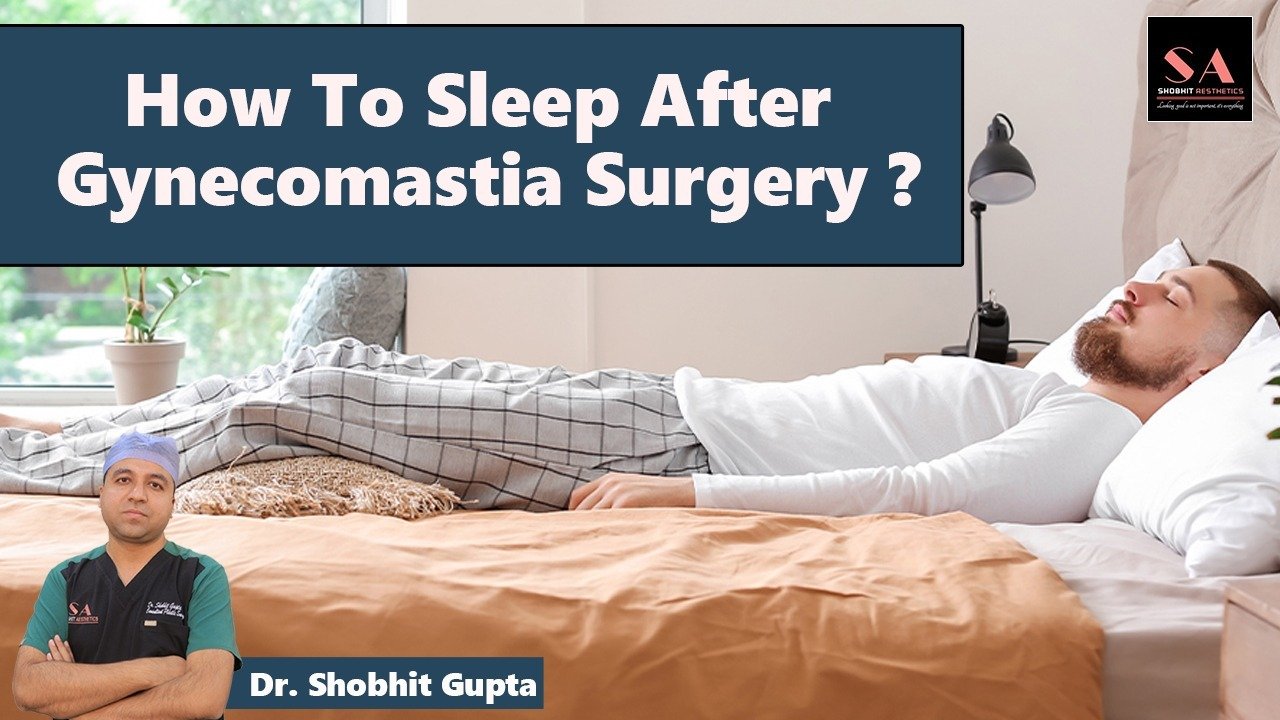
Men get gynecomastia surgery to lessen breast tissue. Healing after surgery includes lots of quality rest. Good sleep can aid in reducing pain, swelling, and helping the surgical area to mend. Correcting sleep post-surgery can even boost comfort. We'll dive into the ideal ways to sleep after this gynecomastia treatment in Delhi. This involves sleep patterns, aids to help sleep, and pointers for a smooth recovery.
Understanding the Gynecomastia Surgery Recovery Timeline
One of the most common questions patients ask after gynecomastia surgery is how long the full recovery process actually takes. While sleep and rest are central to healing, understanding the broader recovery timeline helps set realistic expectations and allows you to plan your personal and professional life around the procedure appropriately.
In the first twenty-four to forty-eight hours after surgery, the priority is rest and careful monitoring. Most patients experience moderate discomfort, tightness across the chest, and some degree of swelling and bruising during this initial period. The compression garment provided by your surgeon should be worn continuously during this time, and movement should be kept to a minimum. Sleep during this phase may be disrupted by discomfort, and this is entirely normal. Taking prescribed pain medication as directed — particularly before attempting to sleep — makes a significant difference in the quality of rest achieved during these early days.
During the first week, swelling and bruising begin to peak before gradually subsiding. Most patients are able to manage their discomfort with oral pain medication and find that sleep quality improves noticeably from the third or fourth night onward as the initial acute discomfort settles. Light, gentle movement around the home is encouraged to promote circulation, but any activity that raises the heart rate or engages the chest muscles should be strictly avoided. Showering is usually permitted from the second or third day, following specific guidance from your surgeon about how to protect the incision sites.
By the end of the second week, the majority of patients experience a significant reduction in discomfort and are able to return to sedentary work and light daily activities. Swelling is still present but noticeably reduced, and the chest begins to take on a flatter, more defined contour. Sleep quality at this stage is typically much improved, though back-sleeping with elevation should still be maintained as the tissues continue to heal beneath the surface.
Between weeks three and six, most of the visible bruising has resolved and swelling continues to decrease gradually. Many patients feel well enough to resume light exercise such as walking during this phase, though chest exercises, heavy lifting, and any activity that places direct strain on the pectoral area must still be avoided. Your surgeon will assess your progress at follow-up appointments during this period and advise you on when it is safe to gradually resume more strenuous activity.
By six to eight weeks, the majority of patients have returned to their full range of daily activities including gym work, though high-impact chest exercises may be restricted for a few additional weeks. The final results of gynecomastia surgery typically become clearly visible between three to six months post-procedure, once all residual swelling has fully resolved and the skin has adapted to the new contour of the chest.
Why Is Sleep Important After Gynecomastia Surgery?
Getting enough sleep is crucial for recovery because it helps your body mend itself and create new cells. When individuals are healing from gynecomastia surgery in Delhi, sleep becomes a key player. It helps in:
- Reducing Swelling: Proper rest minimizes inflammation and helps the body drain fluids effectively.
- Pain Management: Quality sleep lowers the body's perception of pain and promotes faster recovery.
- Preventing Complications: Sleeping in the correct position avoids unnecessary pressure on the chest, reducing the risk of stitches tearing or fluid buildup.
Recommended Sleeping Positions After Gynecomastia Surgery
1. Sleep on Your Back (Elevated)
- For the first few weeks after surgery, it's best to sleep on your back.
- Try to keep your upper body a bit lifted. This helps lessen swelling. It works by boosting blood flow and reducing fluid buildup in your chest.
- To do this, use a slanted pillow or pile up two or three normal ones. Your upper body should be leaned back at an angle of 30–45 degrees.
2. Avoid Sleeping on Your Stomach
- Don't sleep on your belly while healing. It stresses your surgery area and can mess up your recovery.
- It might also make you uncomfortable and risk messing up your stitches or squeezing your chest.
3. Avoid Sleeping on Your Side
- It's best to avoid sleeping on your side after surgery.
- This position could stress one side of your chest. As a result, you might feel uncomfortable or have uneven healing.
4. Transitioning to Regular Sleeping Positions
- After a month to a month and a half, your surgeon may let you sleep in your favorite positions. That depends on how well you're healing.
Preparing Your Sleep Environment
Creating a comfortable and supportive sleep environment is essential for your recovery. Here's how to set it up:
1. Invest in Proper Pillows
- Grab a wedge pillow for some lift, or stack a few pillows for extra support. Try memory foam pillows for better comfort and less movement throughout the night.
2. Wear a Compression Garment
- Post-operation, your best gynecomastia doctor in Delhi would probably suggest a tight-fitting compression attire. This garment reduces swelling, provides support, and ensures your chest contours heal correctly.
- Ensure it's comfortably snug without impeding your breath or causing you distress during sleep.
3. Choose a Supportive Mattress
- A decently firm bed gives your back good support. It keeps your sleep posture in check.
- Don't use super squishy beds as they can lead to bad sleeping positions.
4. Control Room Conditions
- Make sure your room is cool, dim, and silent for top-notch sleep.
- If needed, use heavy-duty curtains, a calming noise device, or earplugs.
Tips to Improve Sleep After Surgery
Post-surgical recovery frequently involves unease, potentially affecting your sleep. Here are some strategies to help you rest better:
1. Take Prescribed Pain Medication
- Pain management is crucial for uninterrupted sleep. Follow your surgeon's instructions regarding painkillers, and take them as needed, especially before bedtime.
2. Stick to a Sleep Schedule
- Maintain consistent sleep and wake times to regulate your body clock, even during recovery.
3. Limit Screen Time
- Stop using electronic gadgets an hour before you sleep. Screens emit blue light that messes with your melatonin levels, making sleep elusive.
4. Practice Relaxation Techniques
- Deep inhales and exhales, peaceful meditation, or a gentle body stretch can soothe your mind and body, eases you into sleep.
5. Elevate Your Legs
- Have puffy legs? A raised leg position using a cushion can boost blood flow and add to your comfort level.
6. Use Sleep Aids (If Necessary)
- Battling insomnia? Talk to your doctor about harmless off-the-shelf sleep meds or organic remedies such as melatonin. Don't prescribe drugs to yourself.
Common Sleep Challenges and Solutions
1. Discomfort While Sleeping on Your Back
Solution: Gradually adjust to back-sleeping before surgery by practicing it nightly. Use supportive pillows to make the position more comfortable.
2. Difficulty Staying Elevated
Solution: Use a wedge pillow designed for post-surgery recovery. Adding side cushions can prevent you from sliding down during sleep.
3. Waking Up in Pain
Solution: Stick to the schedule for your medicines, setting a nighttime alarm if necessary. Double-check that your compression clothing fits right to prevent extra discomfort.
4. Feeling Restless
Solution: Establish a calming bedtime routine, including warm showers, reading, or listening to soothing music. Avoid caffeine in the evening.
Long-Term Sleep Habits for Optimal Recovery
As you heal, you can slowly return to your normal sleeping habits. However, maintaining certain practices can enhance your recovery and overall health:
-
Continue sleeping on your back for at least 6–8 weeks or as advised by your gynecomastia surgeon in Delhi.
- Keep your chest protected, especially if you have pets or children who may accidentally bump into you while you sleep.
- Avoid strenuous activities before bedtime to prevent disrupting your rest.
- Gradually reduce the use of elevation pillows as your swelling subsides.
Nutrition and Hydration: Their Role in Post-Surgical Sleep and Recovery
The connection between what you eat and drink after gynecomastia surgery and how well you sleep during recovery is more significant than most patients realise. Proper nutrition provides the raw materials your body needs to repair tissue, fight infection, and regulate the inflammatory processes that drive post-operative swelling and discomfort. Optimising your diet during recovery is one of the most practical steps you can take to accelerate healing and improve your sleep quality.
Protein is the single most important nutritional priority after surgery. Your body uses protein to build and repair tissue, produce the collagen that heals incisions, and support immune function. Aim to include a high-quality protein source — eggs, chicken, fish, lentils, dairy, or protein supplements — in every meal during the recovery period. Patients who consume inadequate protein often notice that their healing feels slower and their energy levels remain low for longer than expected.
Vitamin C plays a critical role in collagen synthesis and immune function, making it particularly valuable during post-surgical recovery. Citrus fruits, strawberries, bell peppers, and leafy green vegetables are all excellent sources. Zinc, found in nuts, seeds, legumes, and lean meats, is another micronutrient that specifically supports wound healing and should feature prominently in your recovery diet. Vitamin A, present in orange and yellow vegetables as well as dairy products, supports the growth of new skin cells and the integrity of mucosal tissues.
Anti-inflammatory foods can help manage post-operative swelling and may also improve sleep quality by reducing the discomfort that disrupts rest. Turmeric, ginger, fatty fish rich in omega-3 fatty acids, berries, and green tea all have well-documented anti-inflammatory properties. Incorporating these foods naturally into your daily diet during recovery requires minimal effort but can make a meaningful difference to how you feel, particularly in the first two to three weeks after surgery.
Hydration is equally important and frequently overlooked. Adequate fluid intake supports circulation, helps the lymphatic system drain post-operative swelling more efficiently, and prevents the constipation that is a common side effect of certain pain medications. Aim to drink at least two to two and a half litres of water daily during recovery, and avoid alcohol entirely for at least four to six weeks post-surgery, as it impairs healing, interacts with pain medications, and significantly disrupts sleep architecture.
Foods to avoid during recovery include heavily processed foods, excessive salt — which promotes fluid retention and worsens swelling — refined sugars, and any substances that thin the blood or interfere with medication, such as high doses of vitamin E or certain herbal supplements. Always inform Dr. Shobhit Gupta of any supplements you are taking before and after surgery.
The Psychological Dimension of Recovery: Managing Anxiety and Emotional Wellbeing
Gynecomastia surgery is not merely a physical procedure — for the vast majority of men who undergo it, it represents the culmination of years of self-consciousness, social anxiety, and emotional distress related to the appearance of their chest. Understanding the psychological dimension of recovery, and how emotional wellbeing interacts with sleep quality and physical healing, is an important aspect of preparing for life after surgery.
It is entirely normal to experience a complex mix of emotions in the weeks following gynecomastia surgery. The initial relief and excitement of having taken action is often followed by a period of impatience as the recovery process unfolds and results remain obscured by swelling. Some patients experience moments of doubt or anxiety — particularly if early swelling makes the results appear different from what they expected — and these feelings can significantly disrupt sleep.
Managing these emotional fluctuations begins with setting realistic expectations before surgery. Dr. Shobhit Gupta emphasises during consultations that the final results of gynecomastia surgery take time to fully reveal themselves, and that swelling in the early weeks can temporarily distort the appearance of the chest in ways that do not reflect the ultimate outcome. Knowing this in advance prevents unnecessary alarm during the recovery period.
Staying connected with supportive people in your life during recovery can make a significant difference to your emotional wellbeing. While the physical nature of the recovery means you will need to limit certain activities, spending time with trusted friends and family, engaging in hobbies that do not require physical exertion, and maintaining gentle social engagement all contribute to a positive mental state that supports healing.
If anxiety or low mood becomes persistent during recovery, it is important to speak with your medical team rather than dismissing these feelings. Post-operative psychological support is a legitimate and valued part of comprehensive patient care, and there is no reason to navigate difficult emotions alone. At Shobhit Aesthetics, the team's commitment to patient wellbeing extends well beyond the operating room and encompasses the full spectrum of the recovery experience.
Returning to Exercise After Gynecomastia Surgery: A Gradual, Structured Approach
Exercise is an important part of maintaining the results of gynecomastia surgery over the long term — but knowing when and how to safely return to physical activity after the procedure requires careful guidance and patience. Rushing back to the gym too soon is one of the most common mistakes patients make during recovery and can lead to complications including fluid accumulation, wound healing disruption, and increased swelling.
In the first two weeks, all forms of exercise beyond gentle walking should be avoided entirely. Walking is actively encouraged from the first or second day after surgery — short, gentle walks around the home that gradually increase in duration as comfort allows. The circulatory benefits of gentle walking include reduced risk of blood clots, improved lymphatic drainage, and better overall mood, all of which contribute positively to sleep and recovery.
From weeks three to four, most patients are cleared by their surgeon to gradually resume light lower body exercise — stationary cycling, gentle lower body strength work with very light weights, and longer walks. Any exercise that engages the chest muscles or raises the heart rate significantly should still be avoided. It is particularly important to resist the temptation to begin upper body gym work during this phase, even if you feel physically capable, as the internal healing of breast tissue continues well beyond what is visible on the surface.
Between weeks five and eight, a phased return to moderate cardiovascular exercise and upper body work can typically begin, subject to your surgeon's assessment at follow-up appointments. Light resistance exercises that do not directly target the chest — such as shoulder presses with light weights, bicep curls, and rows — are usually reintroduced before any direct chest work. The pectoral exercises that most men are eager to return to — bench press, push-ups, chest flyes — are generally the last to be reintroduced and should only be resumed when your surgeon is satisfied that healing is complete.
Understanding that the exercise restriction is temporary and that full gym activity will be restored within two to three months helps many patients maintain perspective during the recovery period. The goal of the restriction is not to diminish your fitness but to protect the investment you have made in your surgical results — results that will be yours to enjoy for the long term once the healing process is complete.
Maintaining Long-Term Results After Gynecomastia Surgery
Gynecomastia surgery produces results that are intended to be long-lasting, but maintaining those results requires a commitment to certain lifestyle practices that support the body's new contour and prevent the recurrence of glandular or fatty breast tissue.
Weight management is the single most important lifestyle factor in preserving gynecomastia surgery results. Significant weight gain after surgery can cause fatty tissue to accumulate in the chest area, partially reversing the aesthetic improvement achieved through the procedure. Adopting a balanced, nutritious diet and maintaining a consistent exercise routine once recovery is complete are the foundations of long-term result preservation.
Alcohol consumption is a factor that deserves specific attention in the context of gynecomastia. Excessive alcohol intake is a known hormonal disruptor that can elevate oestrogen levels relative to testosterone — one of the underlying hormonal imbalances that contributes to gynecomastia. Moderating alcohol consumption after surgery is therefore not just a general health recommendation but a specific measure to protect against hormonal recurrence.
Certain medications and substances are also known to contribute to gynecomastia by affecting hormone balance. These include anabolic steroids, some antidepressants, antifungal medications, and certain heart drugs. If you are taking any medication that was identified as a contributing factor to your gynecomastia before surgery, it is essential to discuss this with both your prescribing doctor and Dr. Shobhit Gupta, as addressing the underlying cause is as important as treating the physical manifestation.
Regular follow-up consultations at Shobhit Aesthetics allow Dr. Gupta to monitor your results over time, address any concerns promptly, and provide guidance on maintaining your outcome as your body naturally changes with age. These appointments are not merely a formality — they are an integral part of the long-term care relationship that Shobhit Aesthetics is committed to providing every patient, ensuring that the confidence and satisfaction you gain from your surgery remains with you for years to come.
When to Contact Your Surgeon
While sleep challenges are common after gynecomastia surgery, certain symptoms may indicate complications. Contact your surgeon immediately if you experience:
-
Severe pain that medication doesn’t alleviate.
- Difficulty breathing while lying down.
- Persistent swelling or fluid buildup in the chest.
- Watch out for infection indicators like redness, warmth, or discharge from the operated area.
After the best gynecomastia surgery in Delhi, how you sleep is important. Back-sleeping with your upper body raised is the best choice. Using the correct sleep supplies aids recovery. Always stick to your doctor's after-surgery advice. These steps can speed up your recovery and let you get the most from your surgery.
Thinking about gynecomastia surgery? Got more questions about gynecomastia surgery cost in Delhi? Talk to Dr. Shobhit Gupta, a skilled plastic surgeon for tailored advice. We at Shobhit Aesthetics focus on your smooth recovery and stand-out outcomes. It’s time to book your consultation with us today.
Frequently Asked Questions:-
Q.1 How should I sleep after gynecomastia surgery?
The recommended sleeping position after gynecomastia surgery is on your back with your upper body elevated at an angle of thirty to forty-five degrees. This position minimises swelling by promoting better circulation and preventing fluid from accumulating in the chest area. To achieve and maintain this position comfortably, use a wedge pillow specifically designed for post-surgical recovery, or stack two to three regular pillows beneath your upper body. Avoid sleeping on your stomach or sides for at least the first four to six weeks after surgery, as these positions place unnecessary pressure on the healing chest tissue and can cause discomfort, uneven healing, or disruption to the surgical site. Your surgeon will advise you on when it is safe to gradually transition back to your preferred sleeping position based on your individual healing progress.
Q.2 How long will I need to sleep on my back after gynecomastia surgery?
Most patients are advised to sleep on their back with their upper body elevated for a minimum of four to six weeks following gynecomastia surgery. The exact duration depends on your individual healing progress, the extent of the procedure performed, and the assessment of your surgeon at follow-up appointments. Some patients who heal particularly well may be cleared to return to their preferred sleeping position slightly earlier, while others may be advised to continue back-sleeping for a longer period. It is important not to make this decision independently — always wait for explicit clearance from Dr. Shobhit Gupta before transitioning to side or stomach sleeping, as internal healing continues well beyond the point at which you feel physically comfortable, and resuming certain positions too early can compromise your results.
Q.3 Will I experience pain while sleeping after gynecomastia surgery?
Some degree of discomfort while sleeping is normal and expected in the first one to two weeks following gynecomastia surgery, particularly as you adjust to the unfamiliar back-sleeping position and the chest area remains tender and swollen. Most patients find that taking prescribed pain medication approximately thirty to forty-five minutes before bedtime significantly improves their ability to fall asleep and reduces the likelihood of waking due to pain during the night. By the end of the first week, the majority of patients report that nighttime discomfort has reduced considerably and sleep quality has improved. If you experience severe pain that is not adequately controlled by your prescribed medication at any point during the recovery period, contact Dr. Shobhit Gupta promptly rather than simply tolerating it, as this could indicate a complication that requires attention.
Q.4 Do I need to wear a compression garment while sleeping after gynecomastia surgery?
Yes, wearing your compression garment while sleeping is an essential part of your post-operative care after gynecomastia surgery. The compression garment serves several important functions during both waking and sleeping hours — it reduces swelling by applying consistent gentle pressure to the chest, provides structural support to the healing tissue, helps the skin conform and adhere smoothly to the new chest contour, and reduces the risk of fluid accumulation. Your surgeon will advise you on how many hours per day the garment should be worn, but in most cases this includes overnight wear for the first several weeks. Ensure that the garment fits comfortably snug without restricting your breathing or causing any sharp discomfort during sleep. If the garment feels too tight or causes breathing difficulty while lying down, contact your surgeon to discuss adjustment or replacement.
Q.5 How does sleep affect the healing process after gynecomastia surgery?
Sleep plays a profoundly important role in post-surgical healing that goes far beyond simply providing rest. During deep sleep, the body enters its most active phase of tissue repair and regeneration — growth hormone, which is essential for cell renewal and wound healing, is released primarily during deep sleep stages. Adequate quality sleep also modulates the inflammatory response, helping to reduce post-operative swelling more efficiently. It supports immune function, reducing the risk of infection at the surgical site. Perhaps most importantly from a day-to-day recovery perspective, good sleep significantly lowers the body's perception of pain, meaning that well-rested patients consistently report lower pain levels and a more comfortable recovery experience compared to those whose sleep is chronically disrupted. Prioritising sleep quality during the recovery period is therefore not passive or incidental — it is an active and essential component of achieving the best possible surgical outcome.
Q.6 What can I do if I am struggling to sleep after gynecomastia surgery?
Difficulty sleeping after surgery is a common challenge and one that many patients experience, particularly in the first week when discomfort is at its peak and the unfamiliar back-sleeping position feels awkward. There are several practical strategies that can help. Ensuring your pain medication is taken before bedtime rather than only when pain becomes severe makes a significant difference to nighttime comfort. Establishing a consistent bedtime routine — a warm shower, light reading, or gentle relaxation techniques such as deep breathing or meditation — signals to your body that it is time to sleep and helps ease the transition. Keeping your bedroom cool, dark, and quiet creates the optimal environment for restful sleep. Limiting caffeine after midday and avoiding screens for at least an hour before bed removes two of the most common barriers to falling asleep. If you continue to struggle despite these measures, speak with Dr. Shobhit Gupta about whether a short-term sleep aid or melatonin supplement might be appropriate for your situation.
Q.7 When can I return to exercise after gynecomastia surgery, and will this affect my sleep?
A graduated return to exercise is typically possible from around week three to four of recovery for light lower body activity, with a fuller return to upper body and chest exercises generally not recommended until week six to eight or beyond, subject to your surgeon's assessment. Exercise has a well-established positive effect on sleep quality — regular physical activity improves sleep depth, reduces the time taken to fall asleep, and promotes a more consistent sleep-wake cycle. As you gradually reintroduce exercise during recovery, many patients notice a corresponding improvement in their nighttime sleep. However, it is important to avoid vigorous exercise close to bedtime during the recovery period, as elevated heart rate and body temperature from recent physical activity can paradoxically make it harder to fall asleep. Schedule any exercise during the recovery phase for the morning or early afternoon rather than the evening.
Q.8 What should I eat and drink to support better sleep and faster recovery after gynecomastia surgery?
Nutrition and hydration have a direct impact on both sleep quality and healing speed after gynecomastia surgery. Prioritise high-quality protein at every meal — eggs, chicken, fish, legumes, and dairy — as protein provides the building blocks for tissue repair. Include anti-inflammatory foods such as turmeric, ginger, fatty fish, berries, and leafy greens, which can help reduce post-operative swelling and the discomfort that disrupts sleep. Stay well hydrated throughout the day, aiming for at least two litres of water, but avoid drinking large amounts of fluid in the hour or two before bedtime to prevent disrupted sleep from needing to use the bathroom. Avoid alcohol entirely during the recovery period — it impairs healing, interacts with pain medications, and significantly fragments sleep architecture even when it initially appears to help you fall asleep more easily. Avoid heavy, rich meals close to bedtime as these can cause discomfort that interferes with sleep quality.
Q.9 Are there any sleeping positions that could damage my results after gynecomastia surgery?
Yes, sleeping in the wrong position during the early recovery period can potentially affect the quality of your results. Sleeping on your stomach places direct pressure on the healing chest tissue and surgical site, which can cause pain, disrupt wound healing, and in the early weeks potentially affect how the skin and underlying tissue settle into their new contour. Sleeping on your side places asymmetric pressure on one side of the chest, which can contribute to uneven healing or swelling on the side you favour. Both positions also increase the risk of accidentally rolling onto the compression garment in a way that shifts it out of its correct position during the night. The back-elevated sleeping position is recommended precisely because it distributes pressure evenly, keeps the chest protected, and supports optimal fluid drainage — all of which contribute to a smoother, more symmetrical healing process that preserves the quality of your surgical result.
Q.10 How much does gynecomastia surgery cost in Delhi, and does Shobhit Aesthetics offer post-operative support?
The cost of gynecomastia surgery in Delhi varies depending on several factors including the extent of the condition being treated, the surgical technique required, the grade of gynecomastia, and whether liposuction alone is sufficient or glandular tissue excision is also needed. At Shobhit Aesthetics, a personalised cost estimate is provided during your consultation with Dr. Shobhit Gupta following a thorough assessment of your specific case. Shobhit Aesthetics is deeply committed to comprehensive post-operative support — the care provided does not end when surgery is complete. The team provides detailed recovery guidance covering sleeping positions, compression garment use, activity restrictions, nutrition, and wound care, and remains accessible to patients throughout the recovery period to address any concerns that arise. Follow-up appointments are scheduled at regular intervals to monitor healing progress, assess results, and provide guidance on returning to normal activities, ensuring that every patient achieves the safest and most satisfying possible outcome from their procedure.